Most people choose glasses by starting with the frame and treating the lenses as something that gets sorted out afterwards. The frame is the visible part, after all. It sits on the face, it defines the look, and it is the thing that gets tried on in the mirror. The lenses feel like a technical afterthought handled by someone else. For those seeking an alternative to corrective eyewear, LASIK surgery UK providers offer vision correction procedures that can reduce or even eliminate the need for glasses or contact lenses.
This is the wrong way around. The lens determines how well your eyes perform across your entire day. The frame is how it looks. Getting the lens right first, and fitting the right frame around it, produces a result that actually works rather than one that looks good and functions adequately.
Why the Right Lens Choice Matters More Than the Frame
An uncomfortable pair of glasses that corrects your vision well is an inconvenience. A comfortable pair that does not correct your vision for the conditions you actually spend time in is a daily source of eye strain, headaches, and fatigue that most people blame on everything except the lenses they are looking through.
Lens choice is a function of daily routine. A person who drives to work, sits at a desk for eight hours, reads on the commute home, and watches television in the evening has genuinely different lens requirements from a teacher who works at arm’s length from a whiteboard all day, or a chef moving across multiple distances in variable lighting. No single lens type is optimal for every pattern of daily use, and understanding which one suits your specific routine changes the outcome considerably.
Understanding the Different Types of Lenses Available
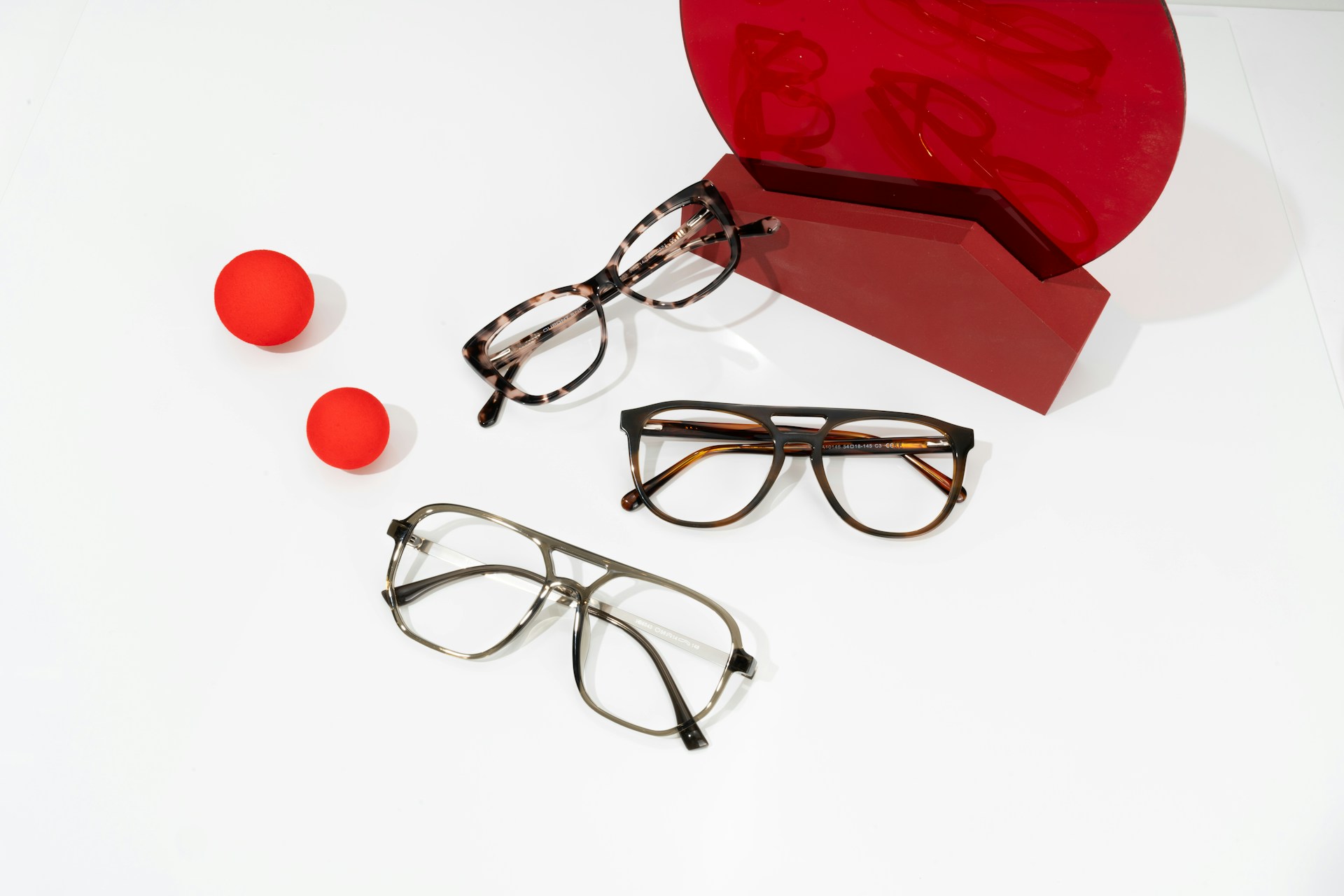
Single vision lenses correct for one focal distance across the entire lens. They are the most common type of prescription glasses lens and suit anyone who needs correction at a single distance, whether that is distance vision for driving and general use, or near vision for reading and close work. They involve no adaptation period and work well for people whose eyes can still shift focus between distances naturally.
Varifocal glasses are correct for multiple focal distances within a single lens. The upper zone handles distance, the lower zone handles near vision, and an intermediate corridor between them covers everything in between, including screen distances, dashboard displays, and face-to-face conversation. They suit people who need clear vision across several distances and want to manage all of them without swapping between pairs throughout the day.
Anti-reflective coating is not a lens type but a treatment applied to most quality lenses that removes the secondary reflections from the lens surface. Those reflections create a persistent low-level visual demand that most wearers are not consciously aware of but feel by the end of a long day. Lenses without this coating require more effort to see through cleanly, and the difference becomes noticeable quickly once you have worn lenses that include it.
Blue light glasses carry a filtering coating that reduces the proportion of short-wavelength blue light reaching the eye from screens. They are typically clear or very lightly tinted and are designed for indoor screen use. Most quality versions also include anti-reflective coating as standard, which combines two of the most effective screen comfort improvements in a single lens.
Photochromic lenses adjust their tint automatically in response to UV light. Clear indoors, they darken progressively outdoors and return to clear when UV exposure reduces. They suit people who move regularly between indoor and outdoor environments and want one pair to function comfortably in both without swapping.
Who Should Consider Varifocal Glasses
Varifocal glasses make the most sense for anyone who notices that a single prescription is no longer covering all the distances they need to see clearly throughout the day. The typical trigger is presbyopia, the gradual age-related reduction in the eye’s own ability to shift focus, which usually begins affecting people in their mid-forties.
If reading has started requiring more light or more distance than it used to, if holding things further away to see them clearly has become a habit, or if using distance prescription glasses for screen work feels consistently uncomfortable, varifocals are worth a proper conversation with your optician. They consolidate what would otherwise require two or three separate pairs into a single everyday lens.
The adaptation period is real and worth knowing about before committing. Most wearers adjust within one to two weeks of consistent use. Peripheral blur at the edges of the lens, a slight swimming sensation when moving the head quickly, and a need to point the nose rather than just move the eyes to find the right focal zone are the most common early experiences. All of these settle as the brain learns to use the different zones naturally. Premium varifocal glasses tend to have a wider intermediate corridor and a shorter adaptation period than entry-level versions, which is worth factoring into the buying decision.
Blue Light Glasses and the Modern Screen-Heavy Lifestyle
The average screen time among working adults in the UK now sits at well over six hours daily when work and personal use are combined. For many people in office, creative, or technical roles, that figure is considerably higher. The visual demands of sustained screen use, reduced blink rate, sustained near-focus effort, and the blue light output from the display itself create a consistent daily load that the right lens choice can reduce meaningfully.

Blue light glasses address one part of this picture directly. The filtering coating reduces the visual processing effort created by short-wavelength light and is particularly relevant for evening screen use, where blue light’s effect on melatonin production and sleep quality is well documented. People who wear them consistently report reduced eye fatigue during long screen sessions and better sleep when using them in the hours before bed.
For people who need prescription correction alongside screen protection, blue light filtering can be incorporated directly into prescription lenses rather than worn as a separate pair. This is the more practical solution for full-time glasses wearers than managing two pairs throughout the day.
What blue light glasses do not address is the muscle fatigue that comes from sustained near focus, or the dry eye symptoms that result from reduced blinking during screen concentration. Managing those requires breaks, deliberate blinking habits, and lubricating drops where necessary, alongside the right lens rather than instead of it.
Matching Your Lenses to Your Daily Routine
This is where the decision becomes most straightforward. The right lens is the one that matches how your day actually looks, not how you describe it in an optician’s consulting room when you are trying to be helpful and concise at the same time.
If your day involves driving, desk work, and reading, and you are over forty, varifocal glasses are almost certainly the most practical single solution. If you are under forty with good near vision and mainly need help with distance, single vision lenses cover the majority of your day cleanly.
If you spend most of your working hours on screens and sleep quality is suffering alongside eye fatigue, blue light glasses with or without prescription correction are worth adding to the daily routine, either as a dedicated screen pair or built into your primary lenses.
If you move regularly between indoor and outdoor environments and want one pair that works in both, photochromic lenses remove the need to swap throughout the day.
If you work primarily at screen distance and find varifocal glasses leave you working within a narrow clear zone, a dedicated intermediate lens optimised for 50 to 70 centimetres makes screen use significantly more comfortable than a general-purpose progressive.
Many people end up with two pairs covering different parts of the day. Varifocal glasses for general daily use and a dedicated screen or blue light pair for desk work is a combination that covers more ground than either pair alone, and it tends to be more affordable than it sounds, particularly when ordering prescription glasses through a reputable online retailer.
What to Discuss With Your Optician Before Deciding
An eye test gives the optician a detailed picture of how your eyes are performing, but it does not tell them how your day is structured. That context comes from you and it changes what they recommend.
A few things worth raising before the lens discussion begins:
- How many hours a day you spend on screens and whether that is concentrated in the morning, spread throughout the day, or heavier in the evenings
- Whether you drive regularly, particularly in low sun or at night, where specific lens treatments make a difference
- Whether you have noticed any changes in reading comfort, screen comfort, or distance clarity since your last test
- Whether headaches or eye fatigue follow a pattern and when in the day they tend to appear
- Whether you currently manage with one pair for all tasks or switch between pairs, and whether that arrangement is actually working
The optician’s job is to translate your prescription into a lens recommendation. Your job is to give them enough information about your actual routine to make that recommendation fit the life it is going into. The combination produces a result that no amount of online research reaches on its own.