Picture the person most likely to spend serious money on fitness equipment. Not the casual gym-goer who buys a yoga mat once and considers their home workout solved. The serious buyer. The one who spends three weeks researching a squat rack before purchasing, reading every review, watching setup videos, comparing dimensions against their garage space with a tape measure, and asking questions in forums before ever visiting a product page with genuine purchase intent.
That person exists in enormous numbers and this buyer is almost universally underserved by the websites of brands and retailers trying to sell to them. The research depth they bring to the purchase decision is not matched by the information depth most fitness equipment websites provide, and the gap between what a serious buyer needs to feel confident and what most product pages actually give them is where sales are lost every single day to competitors who happen to answer the question better.
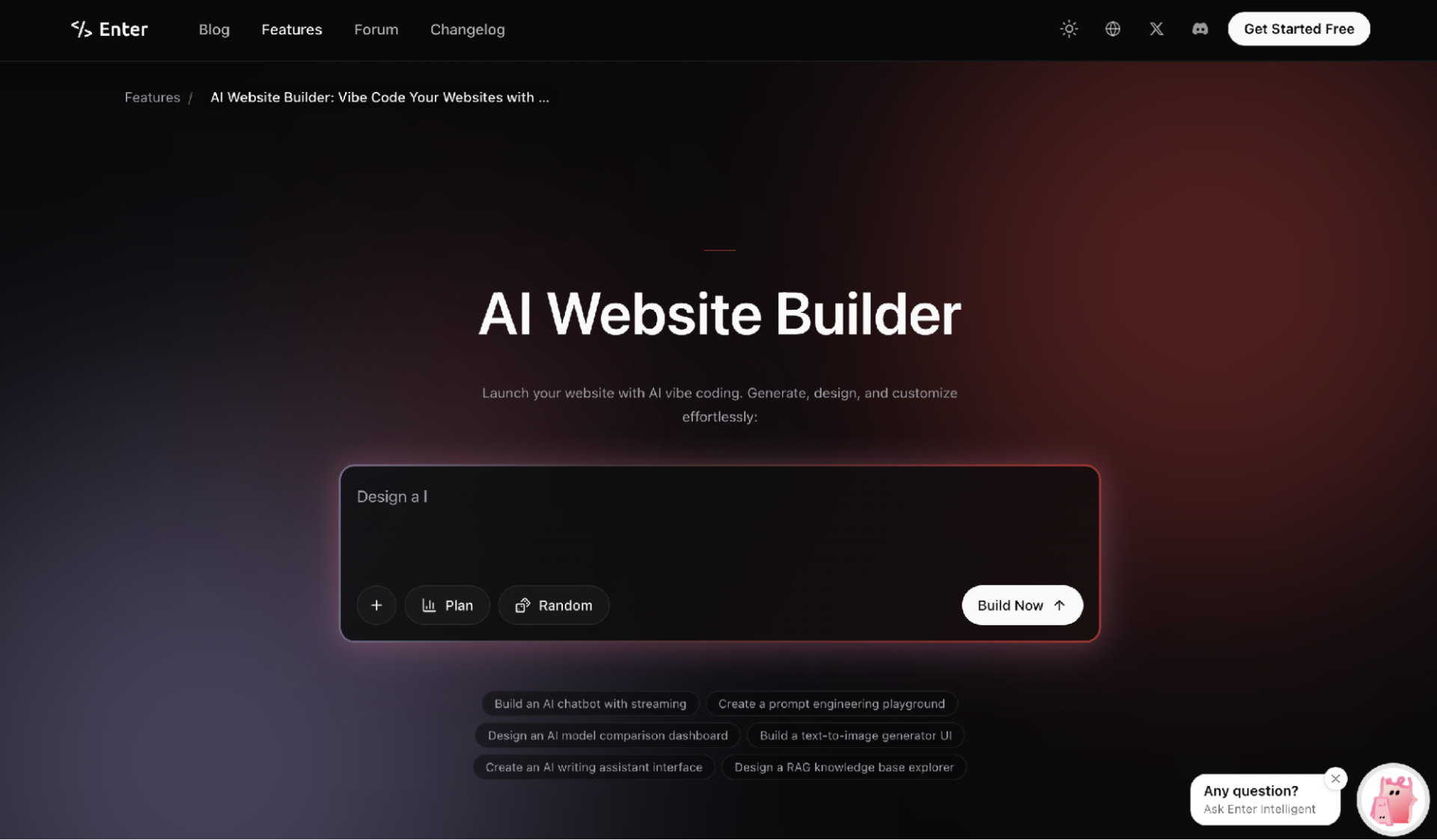
Enter Pro has been practical for fitness equipment brands building the kind of information-rich, confidence-building online presence that serious buyers actually respond to. Getting the initial store architecture in place quickly with an AI website generator means more time goes into the product content and educational resources that actually determine whether a considered buyer chooses you over the next option in their research list.
The Research-Heavy Buyer and Why Most Sites Fail Them
Fitness equipment purchases sit in a category where the research phase is genuinely extensive and the purchase decision is made almost entirely based on information gathered online before any physical interaction with the product occurs. The buyer committing to a commercial-grade treadmill, a full cable machine, or a set of competition kettlebells is not making an impulse decision. They have questions that need answering before they commit real money to something they cannot easily return.
What are the actual assembled dimensions rather than the packed box dimensions. What floor protection is needed. What weight capacity means in practice for their specific use case. What maintenance the equipment requires over time. Whether spare parts are available. What other buyers with their specific setup and goals have experienced after six months of use.
These questions are entirely predictable. The brands that answer them proactively on their product pages, in their FAQ sections, in their buyer guides, and in their community content convert the research-heavy buyer at dramatically higher rates than those who leave them to find the answers elsewhere. And when they find the answers elsewhere, they often buy elsewhere too.
Space Planning as a Pre-Purchase Service
One of the most common reasons a fitness equipment purchase does not happen is not price and not product quality. It is uncertain about whether the equipment will actually work in the space the buyer has available. A squat rack that looks manageable on a product page becomes a different proposition when someone is standing in their spare bedroom with a tape measure wondering whether the ceiling clearance is sufficient and whether there will be enough room to load plates on both sides.
Brands that address this uncertainty directly, through detailed space planning guides, room layout tools, minimum clearance specifications displayed visually rather than buried in technical documentation, and real customer examples showing how different setups work in different spaces, remove one of the most common barriers to purchase before it becomes a reason to delay or abandon.
This kind of pre-purchase service content also has significant SEO value. People searching for home gym space planning, garage gym layout ideas, or minimum ceiling height for squat racks are in exactly the research phase where the right content captures them early and builds the brand relationship that eventually converts to a purchase.
Finding a Platform That Handles Equipment Commerce Well

Fitness equipment ecommerce has specific requirements that generic platform comparisons tend to gloss over. Large and heavy items require freight shipping coordination that needs to be communicated clearly before checkout rather than discovered as a surprise at the payment stage. Assembly requirements need to be transparent. Warranty terms and what they actually cover need to be accessible without requiring a customer service inquiry. Bundle building for complete home gym setups requires a product configuration capability that not every platform handles gracefully.
Taking time to go through a careful comparison of the best ecommerce website builder options through the specific lens of a fitness equipment retailer reveals which platforms handle freight shipping complexity, heavy product logistics communication, and the kind of bundle and configuration options that increase average order value for buyers equipping a full training space rather than purchasing a single item. The platform that works smoothly for lightweight consumer goods at standard shipping rates is structurally different from what a fitness equipment business needs and choosing without that distinction costs both conversion rate and operational efficiency.
Video That Sells Equipment Better Than Any Product Description
There is a category of product where video does not just enhance the purchase experience but fundamentally enables it and fitness equipment sits squarely in that category. The way a cable machine moves through its range of motion. The stability of a barbell in a rack at maximum load. The noise level of a treadmill at a running pace in a residential setting. The actual process of assembling a power cage from a flatpack. These are things that no combination of photography and written description can communicate with the accuracy and reassurance that a well-made video provides.
The fitness equipment brands invest seriously in video content, not just product demonstration videos but setup guides, space planning walkthroughs, real customer home gym tours, and exercise demonstration content that shows the equipment being used as intended, building a content library that does sustained commercial work long after the production cost has been recouped.
Enter Pro handles video integration cleanly enough that building a genuinely video-rich product experience does not require a separate platform or a complicated technical setup. The video content sits where it does the most selling work, inside the product page and inside the educational content that captures buyers during their research phase.
Building a Community Around Training Goals Not Products
The fitness equipment brands that build the most durable customer relationships are almost never ones that position themselves primarily as product sellers. They are the ones that position themselves as part of their customers' training journey, invested in the goals that motivated the equipment purchase in the first place.
A community built around training rather than products creates a fundamentally different relationship. Buyers who found their squat rack through a brand's programming content, who learned to use it through that brand's coaching resources, and who share their training progress in that brand's community space, are not just customers. They are participants in something they find genuinely valuable and their loyalty to the brand that created that value is qualitatively different from the loyalty of someone who simply bought the cheapest option that shipped quickly.
This community infrastructure does not need to be complex to be effective. A training content section that publishes programming relevant to the equipment. A customer results gallery that celebrates what people are achieving with their setup. A forum or Q and A section where experienced users help new buyers with setup and programming questions. These elements together create the sense of belonging that makes a fitness equipment brand worth returning to and recommending.
When an App Makes Sense for a Fitness Brand

There is a natural extension point for fitness equipment brands where a dedicated app begins to make genuine commercial sense. When a brand has built enough training content, enough community engagement, and enough repeat customer relationships to justify a more integrated experience, the app becomes the place where all of it lives in a coherent and convenient form.
Programming that syncs with the equipment the user owns. Progress tracking that keeps training goals visible and motivating. Community access that feels native rather than browser-based. Early access to new equipment releases for existing customers. These are the kinds of features that an app maker AI tool makes considerably more accessible for brands that understand their customers well but do not have a development team to build the experience from scratch. The value is not in technology itself, but in what it enables customer relationships at a stage of brand growth where that relationship has become valuable enough to invest in deepening.
Conclusion
The serious fitness equipment buyer is one of the most valuable customers in consumer retail. They spend significantly, they research thoroughly, they make considered decisions, and when they find a brand that genuinely serves their needs, they become advocates whose word of mouth carries extraordinary weight in communities of like-minded people. Building a website and a content presence that genuinely serves that buyer throughout their research and decision process is not complicated work. It is simply the work of taking seriously what a serious buyer actually needs and providing it with enough depth and honesty that choosing you over every other option they researched feels like the obvious decision.