When Hollow Knight Silksong launched in 2025, the response was positive. Over 500,000 individuals were simultaneously playing the game on Steam. That made it one of the biggest launches on the platform. The reception was different among Chinese-speaking players. The Simplified Chinese text was reportedly so unnatural that some players mocked it for sounding overly theatrical. Localization expert Loek van Kooten also pointed to problems with the tone and overall feel of the translation.
Players responded by leaving negative reviews. The China rating dropped. Only 44 percent of reviews were positive, even as the rest of the world rated the same game as a hit. That’s what can happen when localization is left until the end of development. A game can have solid code, impressive visuals, and strong gameplay and still struggle in a particular market if its translated text fails to capture the personality of the original. AI translation services can speed up the first stage of the process, but human review is important for cultural context.
Why Localization Keeps Breaking Down
Game localization comes with challenges that aren’t as common in ordinary business or web content. A single line might depend on a character’s relationship with others or on a decision the player made hours earlier. Traditional translation procedures were mainly based on content that did not change frequently, for example, contracts, manuals, and standard web pages. Games are different because their text can change throughout development. New dialogue, items, quests, and updates can appear right up until release.
The timing of the localization work creates another problem. Studios treat language work as a final step, not an early one. But scripts in live-service games are rarely final. New events and story arcs launch every few weeks. When localization is postponed until the end of development, every new update can become a last-minute translation project.
Context is another major issue. Writers send translators spreadsheets containing isolated lines with little information about where or how each one will appear. A row might contain nothing more than “Continue,” without explaining whether it refers to a button, a prompt, or a character’s final words. The translator is left to guess. Nobody catches it until players post screenshots.
Where Studios Go Wrong
One of the biggest problems is assuming that every piece of game text deserves the same treatment. Menu text and character dialogue may end up in the same workflow, even though they require very different levels of linguistic and creative attention. This may reduce the initial translation bill, but poor localization can create a much bigger problem if players begin associating the game with low-quality content.
Another common mistake is assuming that one version of a language will work well everywhere. Spanish spoken in Mexico is different from Spanish in Spain. Teams that reuse the same wording across regions can end up with text that feels awkward to local players, because humor doesn’t cross borders accurately.
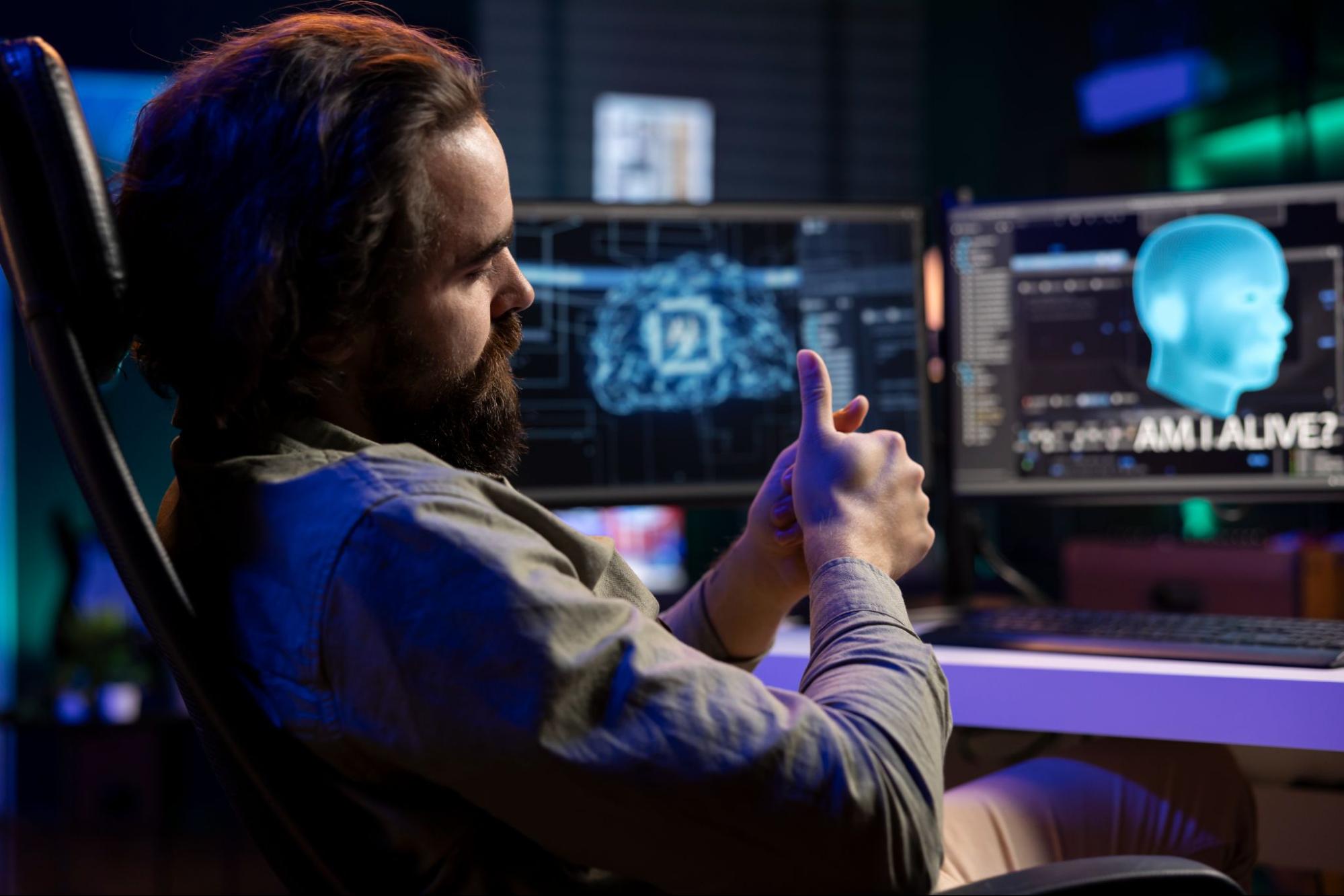
The bigger challenge today is how studios use AI itself. Some teams now use AI-based translation for large portions of their content, including story text, without enough human review. Machine-generated text can be produced quickly and at a lower cost, but jokes, wordplay, character voice, and emotional scenes are much harder to handle without human review because an AI model doesn’t catch hidden context.
What Actually Works
A better approach is to classify content by localization risk before deciding how it should be handled. Menu labels, patch notes, and item text move through automated tools first. A slightly awkward phrase in a menu is usually less damaging than an unnatural line of dialogue during an emotional scene. Story dialogue, jokes, and anything tied to a character’s voice reviewed by a human linguist. AI can assist with the first pass, while a human linguist is responsible for the final wording.
Game translation services workflows can also integrate glossaries and approved terminology from the beginning. If a spell has a specific name in one update, that same name should remain consistent in later patches. That kind of consistency matters more in games than almost anywhere else, because players notice the second a catchphrase reads differently.
Context has to travel with the words too. Instead of a bare spreadsheet, better pipelines attach screenshots, character notes, and scene descriptions to each line. A translator who knows that a phrase is shouted during a fight rather than displayed calmly in a menu can choose much more appropriate wording. Providing that context also reduces revisions because translators can make better decisions the first time.
Gamehaus and the Numbers Behind AI Localization
Gamehaus Holdings, a public mobile game company, shared hard numbers on its Q4 2025 earnings call. The company said AI now handles up to half of player support tickets without human intervention, alongside its broader use of AI in art and localization. The company also reported a 5–10% increase in player spending alongside its broader use of AI and market-specific content. However, that figure should not automatically be treated as proof that AI localization caused the increase.
According to Statista, global game revenue is expected to reach $564.27 billion this year. A large portion of that market also depends on localization, particularly as developers release games across more regions. A 5–10% increase in player spending can become significant when applied across large international player bases. Even a modest increase in player spending can become significant when it is spread across a large international player base.
Conclusion
The role of localization is evolving. More repetitive work can now be handled by machines. Skilled linguists get to spend their time where it actually counts.
High-volume text, like menus and item lists, moves through the pipeline much faster now. That frees up time for the harder stuff: dialogue, humor, character voice, and references related to a specific culture. A joke still needs to have the intended effect in the target language. Therefore, someone still has to know which parts of a game can be handled by a machine and which parts need a person’s judgment. That balance is what separates a capable game translation services provider from one that only automates the process.