

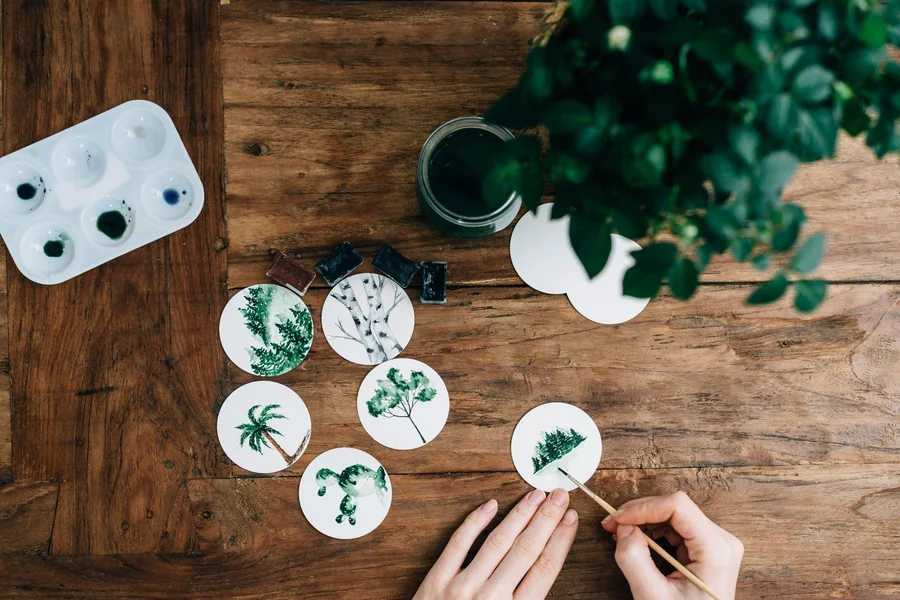
There is something uniquely satisfying about finishing the day with a physical object you created yourself. Many everyday activities now happen through screens, so hobbies that involve cutting, shaping, painting, assembling, or repairing can provide a welcome change of pace.
You do not need to consider yourself artistic to enjoy making things. Some creative hobbies reward precision, others encourage experimentation, and many allow beginners to produce something satisfying without years of practice. The key is finding an activity that matches the way you like to work.
Miniature Painting and Model Building
Miniature painting combines several different creative skills in one hobby. There is the careful process of assembling models, choosing colors, applying paint, adding small details, and eventually creating a finished piece that looks completely different from the unpainted model you started with.
The hobby also offers plenty of room for individual style. Some painters aim for highly realistic finishes, while others experiment with dramatic colors, weathering, scenery, and custom designs. For anyone interested in learning the process through a structured Warhammer painting project, https://www.danireon.com/ provides a natural starting point for developing those hands-on skills.
Beginners can start with just a few models rather than an enormous collection. Working on a small project makes it easier to experiment with brushes, paints, shading, and detailing without putting pressure on yourself to master everything immediately.
Pottery and Hand-Building With Clay
Clay offers a completely different type of creative experience because the material responds directly to your hands. You can press, roll, pinch, carve, and reshape it until an idea begins to take physical form.
A pottery wheel is not necessary for getting started. Hand-building techniques can be used to make bowls, mugs, plant pots, trays, decorative pieces, and small sculptures. Local pottery studios are useful for beginners because they typically provide equipment and handle firing, removing the need to invest heavily before discovering whether the hobby appeals to you.
Pottery is also forgiving in an important way. An imperfect shape can become part of the character of a handmade object rather than automatically being considered a mistake.
Woodworking for Practical Projects
Woodworking is particularly appealing to people who want their creative projects to have a practical purpose. A simple shelf, planter, picture frame, small table, or storage box can provide the satisfaction of making something while also producing an object that can be used around the home.
Beginners do not need a workshop full of expensive machinery. Small projects can often be completed with a limited selection of basic hand tools, particularly when lumber is purchased already cut close to the required dimensions.
As experience grows, woodworking offers an almost endless progression of skills. Joinery, carving, finishing, furniture building, and restoration can each become substantial hobbies in their own right.
Sewing and Textile Crafts
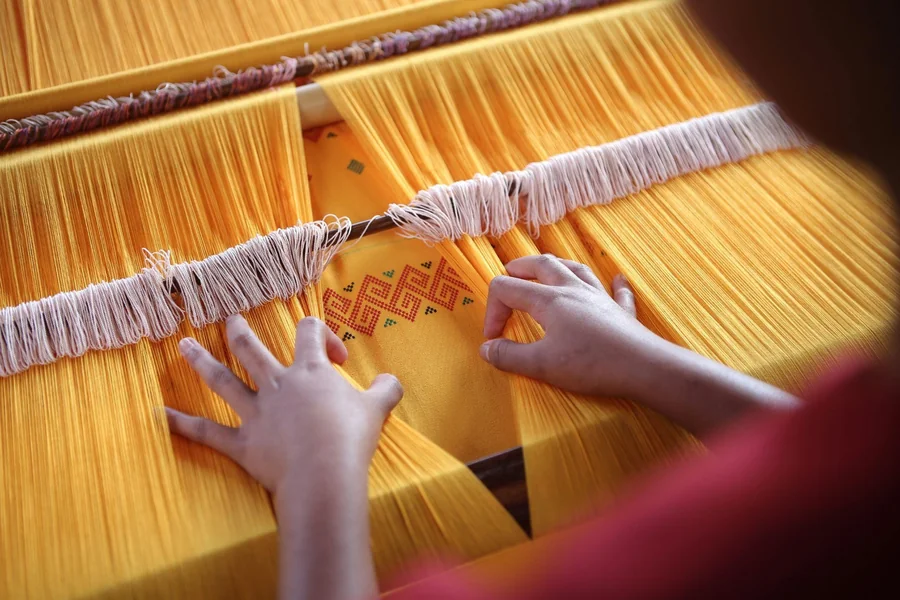
Sewing transforms flat pieces of fabric into useful three-dimensional objects, making it one of the most versatile hands-on hobbies. Beginners might start with cushion covers, tote bags, simple repairs, or small accessories before attempting clothing.
Learning to sew can also change the way you view items you already own. A damaged seam or poorly fitting garment does not necessarily mean something needs to be discarded. Basic sewing skills make repairs and alterations much more approachable.
For those who prefer working without a machine, embroidery, crochet, knitting, and other textile crafts provide similarly tactile creative experiences. These activities are also relatively portable, allowing projects to be continued almost anywhere.
Try Making Something From Leather
Leathercraft combines precision with a strong sense of physical craftsmanship. Even relatively small projects can involve measuring, cutting, punching, stitching, shaping, and finishing the material by hand.
Simple card holders, keychains, bookmarks, cable organizers, and small cases can all serve as manageable first projects. Because leather is durable, the finished object can remain useful for years, which adds another level of satisfaction to the process.
Accuracy becomes more important as projects become complicated, but beginners can learn gradually. Working carefully on a small item is often a better introduction than immediately attempting something ambitious such as a large bag.
Restore Something Instead of Making It From Scratch
Creativity does not always require starting with raw materials. Restoration can be equally rewarding because it asks you to look at an existing object and imagine what it could become.
Old furniture is an obvious candidate. Sanding, repairing, painting, refinishing, or replacing hardware can completely transform a neglected table, chair, or cabinet. Smaller objects such as frames, lamps, decorative boxes, and vintage household pieces can provide easier starting projects.
Restoration also teaches patience. You have to understand the existing object before deciding what should be changed, preserved, repaired, or replaced. The process combines practical problem-solving with creative decision-making.
Choose a Hobby You Will Actually Want to Continue
The best creative hobby is not necessarily the one that produces the most impressive finished object. It is the one whose process you genuinely enjoy.For additional artistic inspiration, browsing bronze sculptures can show how durable, finely detailed artwork is created for homes, gardens, memorials, and public spaces.
Someone who loves precision may enjoy miniature painting or leathercraft, while a person who prefers experimenting freely might be happier with clay. Those motivated by practical results could gravitate toward woodworking or sewing, while restoration can appeal to anyone who enjoys solving problems and giving old objects another purpose.
Start small enough that the hobby feels inviting rather than intimidating. One model, a simple clay bowl, a basic sewing project, or a small piece of furniture can teach you far more about what you enjoy than buying a complete collection of equipment before you begin.
Ultimately, making something with your hands offers a kind of satisfaction that is difficult to reproduce on a screen. You begin with materials, spend time learning how they behave, make adjustments along the way, and finish with something tangible that exists because you created it.









3 thoughts on “The Best Creative Hobbies to Try When You Want to Make Something With Your Hands”
Comments are closed.