Clean water is one of the most important resources required for a healthy and comfortable daily life. People depend on water for drinking, cooking, washing, bathing, cleaning, and many other household activities. Although water supplied to a property may already receive some form of treatment, its quality can still be affected by minerals, sediment, chlorine, unpleasant odors, and other substances as it travels through pipes and storage systems. Different water sources can also have different characteristics, making it important to understand what is actually present before choosing a treatment solution. A properly selected water filtration installation can provide an additional treatment stage that helps improve water quality for specific household needs. Modern filtration technologies are available in several forms, allowing property owners to choose systems designed for sediment, taste, odor, dissolved substances, or other identified concerns. When the right equipment is professionally installed and maintained, it can provide a convenient and consistent approach to improving everyday water use. Understanding the available options, installation process, benefits, and maintenance requirements can help property owners make a more informed decision.
Understanding Modern Water Purification Systems
Modern water purification systems are designed to address different water-quality concerns using specialized treatment technologies. Some systems use sediment filters to capture particles such as sand, dirt, and rust, while activated carbon filters can help reduce chlorine, unpleasant tastes, and certain odors. More advanced systems may use reverse osmosis membranes to reduce a wide range of dissolved substances. Ultraviolet treatment can also be included when microbial concerns require additional treatment. The appropriate technology depends on the characteristics of the incoming water and the purpose of the treatment system. A professional water filtration installation can combine several treatment stages when multiple water-quality issues need to be addressed. Instead of choosing a system based only on advertising claims, property owners should consider water testing, flow requirements, household usage, equipment capacity, and manufacturer specifications. A properly designed system is more likely to provide useful results because each component is selected for a specific purpose.
Why Water Quality Deserves Attention
Water quality affects more than just drinking. Water containing excessive sediment can leave particles in containers and may contribute to deposits in plumbing fixtures. Chlorine can affect taste and odor, while certain minerals can create scale on faucets, showerheads, and appliances. Some contaminants may not have a noticeable smell, color, or taste, which means that relying on appearance alone is not enough to understand water quality. Testing can provide valuable information about the substances and characteristics present in the water. Based on those results, a water filtration installation can be selected to target specific concerns rather than using a generic filter that may not provide the desired treatment. Better water quality can also make everyday activities more pleasant because treated water may have improved taste, odor, and appearance. The key is to understand the limitations of each filtration technology and choose equipment that is appropriate for the actual water conditions.
The Role of Water Testing
Water testing should be considered an important part of selecting an appropriate treatment system. Without testing, property owners may purchase equipment based on assumptions or general concerns rather than actual information about their water. Testing can identify characteristics such as hardness, mineral content, acidity, microbial concerns, and other factors that may influence the selection of treatment technology. The type of test required depends on the water source and the specific concerns being investigated. Once the results are available, a qualified professional can help determine which filtration or purification method is suitable. Water filtration installation based on test results can be more effective because the system is designed around measurable water-quality conditions. Testing also provides a useful baseline that can be compared with future results if water conditions change. For properties with changing water sources or recurring quality concerns, periodic testing can help determine whether the existing treatment system remains appropriate.
Selecting the Right Filtration Technology
Choosing the correct filtration technology is essential because no single filter is designed to remove every possible substance from water. Sediment filters are generally intended to capture suspended particles, while activated carbon filters are commonly used to improve taste and reduce certain odors and chemicals. Reverse osmosis systems use a semipermeable membrane and can provide more extensive treatment for many dissolved substances. Ultraviolet systems are designed for specific microbial treatment purposes and may be combined with filtration stages. A water filtration installation can include multiple components when the water requires more than one type of treatment. The system should also be sized according to the expected water demand and available flow rate. Selecting a system that is too small can result in frequent filter changes or inadequate flow, while an unnecessarily large system may increase purchase and maintenance costs. Professional evaluation can help balance treatment performance, capacity, installation requirements, and long-term operating expenses.
Whole-House Water Treatment
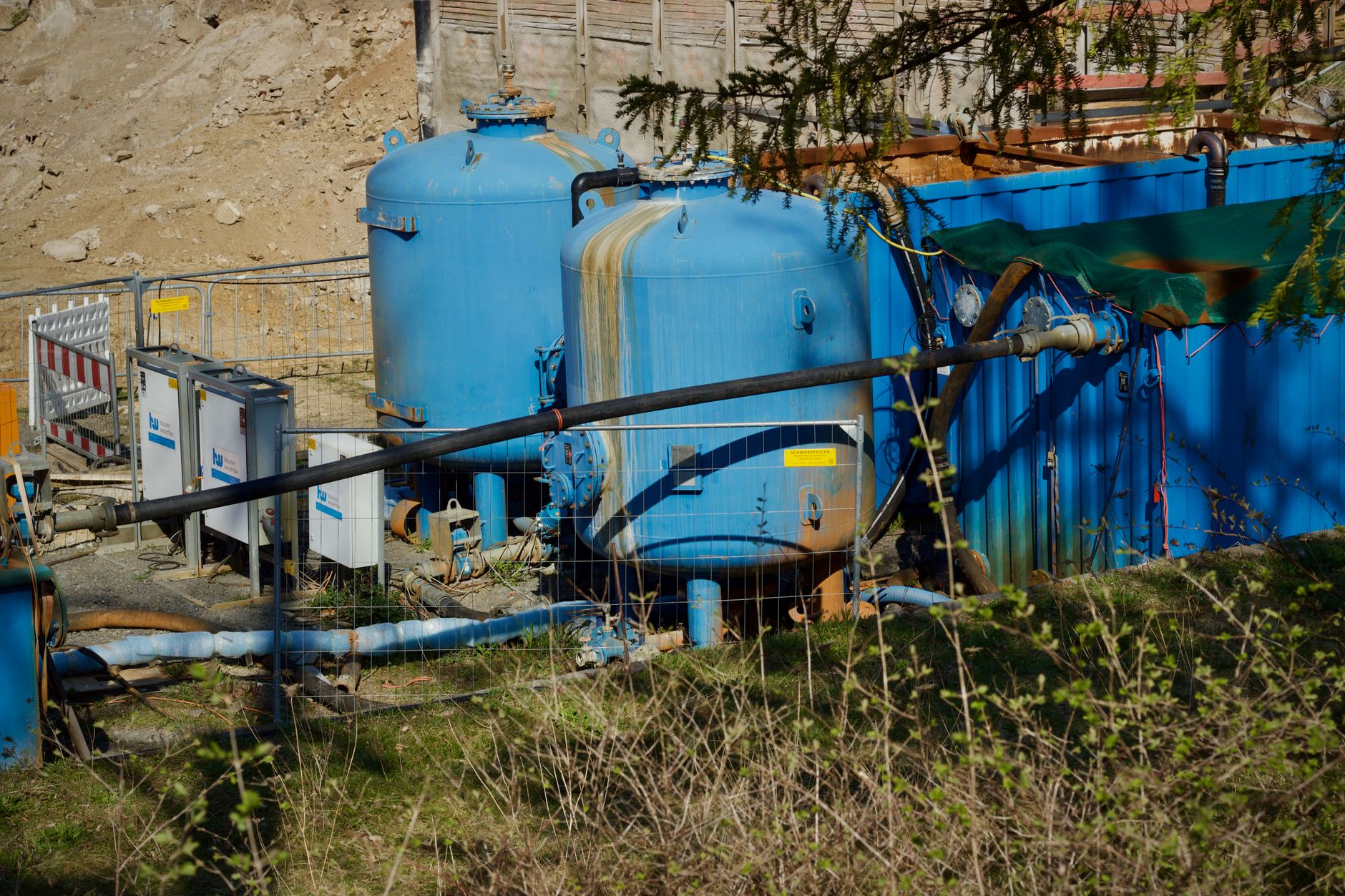
Whole-house treatment systems are designed to treat water as it enters the property, allowing filtered water to reach multiple fixtures. This approach can be useful when water-quality concerns affect more than just drinking water. Depending on the selected technology, treated water may be supplied to kitchens, bathrooms, laundry areas, and other points throughout the plumbing system. A whole-house water filtration installation needs to be properly sized because it must accommodate the property’s overall water demand and peak flow requirements. The installation location should also provide sufficient space for filter housings, valves, tanks, and other components while allowing easy access for maintenance. Whole-house treatment can provide convenience because users do not have to install separate filters at every faucet. However, the system should be selected according to the specific water-quality goals because not every treatment technology is necessary for every property. A professional assessment can help determine whether centralized treatment is appropriate.
Point-of-Use Filtration Options
Point-of-use systems treat water at a specific location, such as a kitchen faucet or drinking-water dispenser. These systems can be useful when the primary goal is to improve water used for drinking and cooking rather than treating every fixture. They are often smaller and may require less installation space than whole-house systems. A point-of-use water filtration installation can be designed around the specific requirements of the selected faucet or appliance. Reverse osmosis drinking-water systems are one example of a point-of-use solution that may be used when more extensive treatment is desired. Countertop, under-sink, and faucet-mounted systems are other possible configurations, depending on the user’s needs. The best option depends on the desired level of treatment, available space, water consumption, and maintenance preferences. Property owners should check the filtration claims and certifications associated with any system before purchasing it.
Professional Installation Matters
Even high-quality filtration equipment may not perform correctly if it is installed improperly. A professional water filtration installation involves more than simply connecting a filter to an existing pipe. The technician needs to consider water pressure, flow direction, pipe size, connection points, drainage requirements, equipment placement, and access for future servicing. Incorrect installation can lead to leaks, pressure loss, bypassed filtration, or premature equipment failure. Professional installation also helps ensure that components such as valves, tanks, membranes, and filter housings are positioned and connected according to manufacturer requirements. The installation area should be clean, accessible, and protected from conditions that could damage the equipment. Proper setup can improve reliability and make routine maintenance easier. For more complex treatment systems, professional installation can also help ensure that multiple filtration stages work together as intended.
Benefits of Improved Water Filtration
A suitable filtration system can provide several practical benefits when it is correctly matched to the water conditions. One of the most noticeable improvements may be better taste and odor, especially when chlorine or other substances contribute to unpleasant characteristics. Sediment filtration can help reduce visible particles and protect certain fixtures from accumulating debris. Some advanced systems can reduce specific dissolved substances identified through water testing. A water filtration installation can also make treated water more convenient because filtration occurs automatically as water passes through the system. Instead of relying on temporary solutions, property owners can have a dedicated treatment system designed around their regular water consumption. Improved water quality may also make cooking and drinking more enjoyable. The actual benefits depend on the selected technology, so it is important to choose equipment based on verified performance rather than assuming that all filters provide the same results.
Protecting Plumbing Fixtures and Appliances
Water quality can have an effect on plumbing fixtures and household appliances as well as drinking water. Sediment may collect in faucet aerators and valves, while certain minerals can contribute to scale on fixtures and heating elements. Appliances that regularly use water, including dishwashers, washing machines, and water heaters, may also be affected by certain water conditions. A water filtration installation can help reduce specific substances when the selected technology is designed to address them. However, it is important to understand that filtration and water softening are different processes. Hardness caused by calcium and magnesium may require a dedicated softening system rather than a standard drinking-water filter. Choosing the correct equipment prevents unrealistic expectations and can help address the actual source of the problem. Professional water analysis can clarify whether filtration, softening, disinfection, or a combination of treatment methods is appropriate.
Maintenance and Filter Replacement
Regular maintenance is necessary for keeping a filtration system operating properly. Filters gradually collect the substances they are designed to remove, which means their capacity is not unlimited. When a cartridge becomes saturated or heavily loaded with sediment, water flow can decrease and filtration performance may be affected. Reverse osmosis systems may also require periodic membrane replacement and other maintenance procedures. A water filtration installation should therefore be accompanied by a maintenance schedule based on manufacturer recommendations, water quality, and actual household usage. Property owners should monitor flow rate, taste, odor, and other noticeable changes that could indicate a maintenance issue. Keeping track of filter replacement dates can make routine servicing easier and help prevent components from being used beyond their intended service period. Regular maintenance also provides an opportunity to inspect connections for leaks and confirm that the system remains in good working condition.
Common Mistakes to Avoid
One of the most common mistakes is purchasing a filtration system without first understanding the water-quality problem. A filter may be effective for one contaminant but ineffective for another, so selecting equipment based on general marketing claims can produce disappointing results. Another mistake is choosing a system that does not have sufficient capacity for the property’s water demand. Incorrect installation can create additional problems, including leaks, reduced pressure, and water bypassing the filtration stages. Ignoring maintenance is another issue because clogged or exhausted filters cannot provide the same performance as fresh components. A professional water filtration installation can help avoid many of these problems by combining appropriate equipment selection with correct installation practices. Property owners should also consider long-term costs rather than focusing exclusively on the initial purchase price. Filter replacement, maintenance, water consumption, and expected equipment lifespan should all be considered before making a final decision.
Improving Everyday Drinking Water
For many households, improving drinking water is one of the primary reasons for installing a filtration system. Water with an unpleasant taste, strong odor, or visible particles may discourage people from drinking it regularly. A suitable filter can improve these characteristics when it is designed to address the specific cause. A water filtration installation can provide treated water directly through a dedicated drinking-water faucet or throughout the property’s plumbing system, depending on the selected configuration. Point-of-use systems can be convenient when treatment is mainly required in the kitchen, while whole-house systems may be preferable when broader water treatment is desired. It is important to review the system’s specifications and understand which substances it has been tested to reduce. When properly selected and maintained, a filtration system can provide a convenient source of treated water for drinking and cooking. This can improve the everyday experience of using water without requiring manual treatment every time it is needed.
Long-Term Value of a Quality System
Investing in a properly selected filtration system can provide value over an extended period when the equipment is maintained correctly. A water filtration installation should be viewed as part of a broader water-quality strategy rather than simply as a one-time purchase. The long-term cost includes the initial equipment, professional installation, replacement filters, maintenance, and any additional components required for specialized treatment. Comparing these factors can help property owners select a system that provides appropriate performance without unnecessary features. A properly sized system can also reduce waste and avoid the expense associated with replacing undersized components too frequently. Regular maintenance protects the equipment and helps preserve its intended performance. By focusing on water testing, suitable technology, professional installation, and consistent care, property owners can make a more informed investment in their water-quality needs.
When an Upgrade May Be Necessary
Existing filtration systems may eventually become outdated, undersized, damaged, or unsuitable for changing water conditions. Changes in taste, odor, water appearance, flow rate, or filter performance can indicate that the system should be inspected. A water filtration installation may also be considered when a property undergoes plumbing changes, experiences increased water demand, or receives a different water source. New water-quality test results may reveal concerns that the existing equipment was never designed to address. In such cases, simply replacing an old cartridge may not be enough, and a more suitable treatment system may be required. Professional evaluation can help determine whether the current equipment should be repaired, upgraded, expanded, or replaced. Regular assessment is especially useful for older systems because technology and treatment options may have changed since the original installation. Keeping the filtration system aligned with actual water conditions can improve both performance and long-term value.
Conclusion
Clean and pleasant water is an important part of a comfortable and functional property. While water supplies may already receive treatment, additional filtration can help address specific concerns related to sediment, taste, odor, minerals, or other identified substances. A properly planned water filtration installation provides an opportunity to match treatment technology to actual water-quality requirements. Water testing, correct system selection, professional installation, proper sizing, and regular maintenance all play important roles in achieving dependable results. Property owners should understand that different filtration technologies have different purposes and that no single system can automatically address every possible water-quality concern. By choosing equipment based on verified needs rather than assumptions, it is possible to create a more effective and practical treatment solution. With professional installation and ongoing maintenance, modern filtration systems can provide better-tasting water, improved convenience, and reliable performance for everyday drinking, cooking, and household use.
Tab 2
How to Choose the Right Water Heating System for Better Comfort, Efficiency, Performance, and Long-Term Savings
A dependable supply of hot water is an important part of modern daily life, supporting bathing, cleaning, cooking, laundry, and many other household activities. When a water heater operates properly, it is easy to overlook how much convenience it provides until the system begins to struggle. Aging equipment can gradually lose efficiency, produce inconsistent temperatures, develop leaks, or require increasingly frequent repairs. When these issues become persistent, replacing the existing system may provide a better long-term solution than continuing to invest in an aging appliance. A professional water heater replacement can also create an opportunity to select newer technology that better matches current water usage, available energy sources, and efficiency goals. Today’s systems include traditional storage tanks, tankless models, heat pump units, and other designs with different operating characteristics. Choosing the right option requires consideration of capacity, energy consumption, installation requirements, maintenance, and expected service life. A carefully planned replacement can improve hot-water reliability while supporting greater efficiency and long-term value.
Understanding When Replacement Is Necessary
Water heaters have a limited operating lifespan, and their performance can decline as components age. One of the earliest signs of trouble is often inconsistent water temperature. If water becomes cooler than expected or runs out quickly, the heating components may be weakening or the system may no longer have sufficient capacity for household demand. Unusual noises, such as rumbling, popping, or banging, can also indicate sediment accumulation inside a storage tank. Leaks, rust-colored water, visible corrosion, and moisture around the base of the appliance are more serious warning signs that require prompt professional attention. A water heater replacement may become more practical when an older unit requires repeated repairs or when replacement parts become expensive or difficult to obtain. Age should also be considered because older equipment may consume more energy than newer models. A professional inspection can determine whether repair is still reasonable or whether investing in a new system would provide better long-term value.
Common Signs of an Aging Water Heater
Several symptoms can help property owners recognize that their water heating system may be nearing the end of its useful life. Water that takes longer than usual to become hot may indicate a problem with the heating element, burner, thermostat, or another internal component. If several household members cannot use hot water without quickly exhausting the supply, the existing system may be undersized for current demand. Discolored water may suggest corrosion inside the tank, while unusual sounds can indicate sediment buildup that reduces heating efficiency. A water heater replacement should be considered seriously when these symptoms become frequent rather than occasional. Leaking water is especially important because a small leak can sometimes develop into a major failure without much warning. Property owners should avoid ignoring signs simply because the heater continues to produce some hot water. Early professional evaluation can provide more options and may allow replacement to be planned rather than handled as an emergency.
Choosing Between Different Water Heater Types
Modern water heating systems come in several designs, each offering different benefits and limitations. Traditional storage-tank heaters maintain a supply of heated water inside an insulated tank and are available in various capacities. Tankless systems heat water as it passes through the unit, reducing the need to store hot water and potentially reducing standby heat loss. Heat pump water heaters use a different technology that transfers heat from the surrounding environment rather than generating heat in the same conventional manner. The best option depends on water demand, available space, energy source, installation conditions, and efficiency goals. During a water heater replacement, property owners should compare the long-term performance of different systems rather than automatically selecting the same type as the old unit. A professional can evaluate existing plumbing and energy connections and explain whether modifications are needed for a different design. Understanding these differences helps ensure that the new system is selected for actual needs instead of convenience alone.
Importance of Proper System Sizing
Choosing the correct size is essential for maintaining a dependable hot-water supply. A system that is too small may struggle during periods when multiple fixtures are used simultaneously. This can result in insufficient hot water and may cause users to wait between activities. On the other hand, an oversized system may cost more to purchase and operate than necessary. A water heater replacement should therefore begin with an assessment of actual hot-water consumption rather than simply matching the capacity of the existing appliance. Household size, number of bathrooms, bathing habits, laundry frequency, dishwasher use, and peak demand periods can all influence the appropriate capacity. Storage systems are generally evaluated by tank size and recovery capability, while tankless systems require consideration of flow rate and temperature rise. Proper sizing helps the equipment operate efficiently while providing sufficient hot water when it is needed. Professional assessment can make this calculation more accurate and reduce the risk of choosing equipment that does not meet household requirements.
Energy Efficiency and Long-Term Savings
Energy consumption is an important factor when evaluating a new water heating system because water heating can contribute significantly to household utility costs. Older units may lose efficiency as insulation deteriorates, sediment accumulates, and heating components become less effective. Newer systems can include improved insulation, more efficient controls, advanced heating technology, and better energy performance. A water heater replacement offers an opportunity to compare expected operating costs rather than focusing only on the initial purchase price. Although a highly efficient system may cost more initially, lower energy consumption can potentially provide savings over its service life. The actual financial benefit depends on factors such as household usage, energy rates, system efficiency, maintenance requirements, and equipment lifespan. Property owners should consider the total cost of ownership when comparing models. Evaluating purchase price, installation, operating expenses, maintenance, and expected longevity provides a more complete picture of the value offered by each option.
Evaluating Available Energy Sources
The available energy source can influence which water heater designs are practical for a property. Electric systems may be relatively straightforward to install where suitable electrical capacity is already available. Gas-powered systems may provide strong heating performance but require appropriate gas connections and ventilation. Heat pump models use electricity while transferring heat rather than generating it directly in the conventional way, which can offer different efficiency characteristics. During a water heater replacement, the existing energy infrastructure should be evaluated before selecting a new model. Changing from one energy source to another may require electrical upgrades, new connections, ventilation changes, or other modifications. These additional requirements can affect both installation cost and project complexity. A professional technician can assess the current setup and explain which options are compatible. Considering the energy source early in the decision-making process helps prevent unexpected installation complications.
Professional Installation Is Essential
Even the highest-quality water heater can perform poorly if it is installed incorrectly. Professional installation involves much more than connecting the appliance to water pipes. Depending on the system type, technicians may need to address electrical wiring, gas connections, venting, temperature and pressure relief equipment, drainage, expansion requirements, and manufacturer-specific installation procedures. During a water heater replacement, the existing plumbing should also be inspected for aging valves, corroded connectors, or other components that could create future problems. Proper positioning is important because the appliance needs sufficient clearance and convenient access for inspection and maintenance. Incorrect installation can lead to leaks, inefficient operation, equipment damage, or safety concerns. Professional installation helps ensure that the system is properly integrated with the existing infrastructure. It also provides an opportunity to identify related plumbing issues before the new appliance is placed into service.
Storage Tank and Tankless Options
Storage-tank water heaters remain a familiar option because they maintain a supply of heated water that is available when needed. They are available in different capacities and can be suitable for households with predictable hot-water requirements. Tankless systems operate on demand and heat water as it passes through the unit, which eliminates the need to keep a large volume of water continuously heated. However, tankless systems need to be correctly sized according to simultaneous water demand and incoming water temperature. A water heater replacement involving a switch from a storage tank to a tankless model may require changes to gas lines, electrical capacity, plumbing connections, or venting depending on the equipment. Tankless systems can also have different maintenance requirements. The choice should therefore be based on household usage patterns, installation conditions, budget, and long-term preferences. Neither system is automatically the best choice for every property.
Benefits of Upgrading Older Equipment
Replacing an aging water heater can provide several practical advantages. New equipment may offer more consistent temperatures, improved efficiency, updated safety components, and reduced risk of unexpected failure. A water heater replacement can also eliminate the inconvenience of repeated repairs and the uncertainty associated with an appliance that is approaching the end of its service life. Newer models may provide better temperature controls and improved insulation, depending on the design. If the existing system has visible corrosion or significant leakage, replacement can also reduce the risk of sudden tank failure and resulting water damage. In some cases, upgrading to a different technology may provide additional efficiency benefits or better match current household demand. The actual advantages depend on the condition of the existing equipment and the characteristics of the replacement model. A professional assessment can help determine which improvements are realistic and whether replacement is justified.
Preparing for the Replacement Process
Good preparation can make the installation process smoother and reduce the chance of unexpected delays. Before the work begins, the technician should inspect the current appliance, water connections, energy supply, ventilation where applicable, and available installation space. During a water heater replacement, it may be practical to update worn valves, connectors, shutoff components, or other parts that have reached the end of their useful life. The technician can identify which modifications are necessary and explain their purpose before work begins. Property owners should also understand that hot-water service will normally be unavailable for part of the installation process. Planning the work at a convenient time can minimize disruption. The installation area should be kept accessible so the technician can safely remove the old equipment and position the new unit. Proper preparation helps ensure that the replacement is completed efficiently and that the new system is ready for reliable operation.
Maintenance After Installation
A new water heater requires regular care to maintain efficient and reliable performance. Maintenance requirements depend on the system type, water quality, energy source, and manufacturer’s recommendations. Storage tanks may benefit from periodic flushing to reduce sediment accumulation, while tankless systems may require cleaning of heat exchangers and other components. Temperature and pressure relief devices should also be inspected as appropriate, and property owners should watch for signs of leaks or corrosion. After a water heater replacement, maintaining a record of inspections and service can make future maintenance easier. Changes in water temperature, unusual noises, reduced flow, or unexpected increases in energy use may indicate that professional attention is needed. Regular maintenance can help identify developing problems before they become expensive failures. Following manufacturer recommendations is particularly important because maintenance requirements can vary significantly between different models and technologies.
Avoiding Common Replacement Mistakes
One common mistake is waiting until an old water heater fails completely before considering replacement. Emergency situations can limit the time available to compare equipment and may lead to rushed decisions. Another mistake is selecting a system based only on purchase price without considering operating costs and expected service life. Choosing a unit that is too small can also result in insufficient hot water, while excessive capacity can increase unnecessary costs. During a water heater replacement, property owners should also avoid assuming that the existing installation is automatically suitable for the new equipment. Different systems may require different electrical, gas, plumbing, or ventilation arrangements. Ignoring these requirements can lead to delays and additional expenses. Professional assessment and careful planning can help prevent these problems. Taking time to compare suitable systems before purchasing can result in a more reliable and cost-effective installation.
Understanding Total Cost of Ownership
The price of a new appliance is only one part of the overall investment. Property owners should consider installation costs, energy consumption, maintenance, replacement parts, warranty coverage, and expected service life when comparing systems. A water heater replacement may involve a higher upfront cost if the new technology requires additional plumbing or electrical work, but the long-term operating benefits may justify the investment. Conversely, a lower-priced system may have higher operating expenses or more frequent maintenance requirements. Evaluating the total cost of ownership helps property owners make decisions based on long-term value rather than immediate price alone. It is also useful to consider whether replacement parts and professional service are readily available for the selected model. A reliable appliance that can be maintained easily may provide better value over time than a cheaper system with limited support. Careful comparison can help balance budget, efficiency, performance, and expected lifespan.
When Professional Assistance Is Necessary
Water heater work can involve electricity, gas, high-temperature water, pressure, and complex plumbing connections, so professional assistance is strongly recommended for installation and major repairs. Property owners should seek professional help when the unit leaks, produces unusual odors, shows severe corrosion, experiences electrical problems, or repeatedly fails to provide adequate hot water. A qualified technician can determine whether repair remains practical or whether replacement is the better option. During a water heater replacement, professional installation can ensure that the appliance is connected correctly and that relevant safety components are properly installed. A technician can also identify problems with the surrounding plumbing that might otherwise be overlooked. Attempting complex modifications without appropriate training can create unnecessary risks and may damage the equipment. Professional service provides greater confidence that the new system is installed according to manufacturer requirements and is ready for dependable operation.
Conclusion
Choosing a new water heating system is an important decision that can influence household comfort, energy consumption, reliability, and long-term maintenance costs. When an existing appliance begins showing signs of age, repeated failure, corrosion, leakage, or declining performance, replacement may provide a more practical solution than continued repairs. A properly planned water heater replacement allows property owners to consider newer technologies, improved efficiency, appropriate capacity, and better overall performance. The right choice depends on household demand, available energy sources, installation conditions, budget, and long-term goals. Professional sizing and installation are essential for ensuring that the selected equipment operates safely and effectively. Regular maintenance after installation can further extend equipment life and help identify problems before they become major failures. By comparing systems carefully and considering total ownership costs rather than purchase price alone, property owners can select a water heating solution that delivers dependable hot water, improved efficiency, and lasting value.