

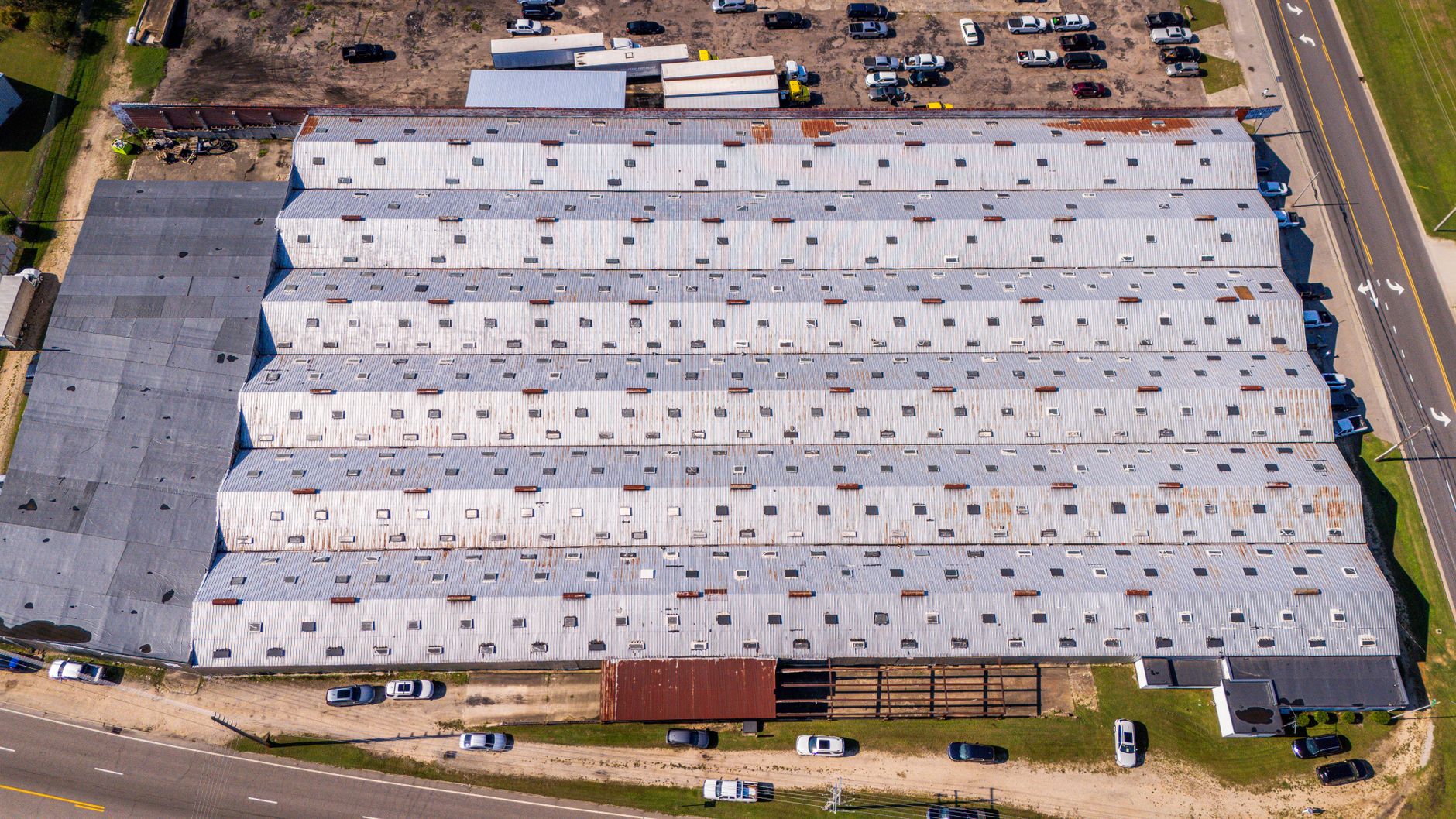
A roof is one of the most important structural components of any property because it provides protection against weather, moisture, temperature changes, wind, and other environmental conditions. Although a roof is designed to remain durable for many years, it still requires proper installation, regular inspection, timely repairs, and ongoing maintenance to perform effectively. Choosing a professional roofing company can help property owners address roofing concerns before they develop into expensive and complicated problems. Professional roofers understand different roofing systems, materials, installation techniques, ventilation requirements, drainage solutions, and repair methods. Whether a property needs a small repair, routine inspection, replacement, or a completely new roof, experienced professionals can provide the knowledge and workmanship required to complete the project properly. Understanding roofing services can help property owners make informed decisions and protect their investment.
Understanding Professional Roofing Services
A roofing company provides a wide range of services designed to keep roofs functional, secure, and visually appealing throughout their useful life. These services can include roof inspections, maintenance, repairs, replacement, new installation, flashing work, ventilation improvements, and other specialized solutions. Every roofing project is different because buildings vary in design, age, materials, slope, drainage systems, and exposure to environmental conditions. A professional begins by evaluating the existing roof and determining what type of work is actually required. This approach is important because not every roofing problem requires complete replacement. In many cases, a relatively small repair can restore the roof and prevent further damage. Professional evaluation helps property owners avoid unnecessary expenses while ensuring that serious problems receive appropriate attention.One of the most valuable services offered by a roofing company is a detailed roof inspection. A professional inspection can identify visible damage as well as potential issues that may not be obvious from the ground. During an inspection, roofing professionals may examine shingles, tiles, metal panels, membranes, flashing, vents, drainage points, seals, and other components. They may also look for signs of moisture intrusion, deterioration, poor ventilation, or structural concerns. Early identification of these issues can make repairs easier and less expensive. Small cracks, loose materials, damaged flashing, or blocked drainage areas can eventually contribute to significant water damage if they are ignored. Regular inspections therefore provide an important opportunity to maintain the roof and address developing problems before they become major failures.
Common Roofing Problems
Leaks are among the most common concerns that lead property owners to seek professional roofing assistance. A leak may begin with damaged roofing materials, deteriorated flashing, failed seals, blocked drainage, or another underlying problem. The location where water appears inside a building does not always indicate the exact point where it entered the roof. Water can travel through different layers and structural areas before becoming visible as a ceiling stain or damp wall. This is why professional diagnosis is important when dealing with leaks. An experienced roofer can investigate the surrounding area, identify possible entry points, and recommend a repair that addresses the underlying cause. Simply covering the visible stain without correcting the source can allow moisture damage to continue.Weather exposure can also cause gradual deterioration of roofing materials. Strong winds may loosen or displace materials, heavy rain can expose weak areas, and intense sunlight can contribute to aging and surface deterioration. Temperature changes may cause some roofing materials to expand and contract repeatedly, eventually affecting seals and connections. Over time, these conditions can reduce the effectiveness of the roofing system. A roofing company can assess weather-related damage and determine whether localized repairs or more extensive work is appropriate. Prompt attention after severe weather can be particularly useful because small defects can sometimes be corrected before they allow moisture to penetrate deeper into the building. Regular evaluations can therefore contribute significantly to long-term roof performance.
Roof Repair and Maintenance
Roof repair is often the most practical solution when damage is limited to specific areas. Repairs may involve replacing damaged shingles, securing loose materials, repairing flashing, sealing certain joints, improving drainage, or addressing other localized concerns. The correct repair method depends on the roofing material and the nature of the problem. Professional repairs should focus on both the visible defect and the reason it developed. For example, replacing a damaged section without addressing a drainage or ventilation issue may allow the same problem to return. Skilled roofing professionals examine the surrounding system to ensure that the repair contributes to the overall performance of the roof. Properly completed repairs can extend the useful life of a roof and delay the need for a full replacement.Routine maintenance is another important part of responsible roof care. A roofing company can help property owners establish a maintenance schedule based on the roof’s age, material, design, and environmental exposure. Maintenance may include checking for damaged materials, inspecting flashing and seals, examining drainage components, evaluating ventilation, and identifying early signs of deterioration. Keeping up with maintenance can reduce the risk of unexpected failures and provide greater control over repair expenses. Property owners should also pay attention to interior warning signs such as water stains, dampness, peeling paint, unusual odors, or visible deterioration around ceilings and walls. These signs may indicate a roofing issue that requires professional evaluation. Addressing warning signs early is generally more effective than waiting for extensive damage to develop.
Roof Replacement Considerations
There comes a point when repairing an aging roof may no longer be the most economical solution. A roofing company can evaluate the condition of the entire roofing system and determine whether replacement is necessary. Extensive deterioration, repeated leaks, widespread material damage, or an aging roof approaching the end of its expected service life may indicate that replacement should be considered. A replacement project involves more than simply installing new surface materials. The underlying deck, flashing, ventilation, drainage, insulation, and other components should also be evaluated. Identifying hidden problems during replacement provides an opportunity to correct them before the new roofing system is installed. A carefully planned replacement can improve durability, appearance, weather resistance, and overall property protection.When planning a roof replacement, material selection is an important decision. Different roofing materials offer different advantages in terms of durability, appearance, maintenance requirements, installation methods, and expected lifespan. Asphalt shingles are widely used because they offer a practical combination of affordability and performance. Metal roofing can provide strong durability and is available in numerous designs and finishes. Tile and slate can offer distinctive appearances and long service lives, although they may require specific structural considerations. Flat roofing systems often use specialized membranes designed for low-slope applications. The appropriate material depends on the building, roof design, budget, performance expectations, and maintenance preferences. Professional advice can help property owners compare these factors before making a final decision.
Importance of Proper Installation
The quality of installation has a major influence on how well a roofing system performs. Even high-quality materials can develop problems if they are installed incorrectly. A roofing company with appropriate experience understands manufacturer requirements, fastening methods, flashing details, ventilation principles, and other technical aspects of installation. Incorrect placement or inadequate sealing can create weak points where water and air may enter. Poor installation can also reduce the expected lifespan of roofing materials and increase future maintenance requirements. Professional workmanship helps ensure that each part of the system works together as intended. This makes proper installation one of the most important investments a property owner can make when installing a new roof.Ventilation is another factor that should not be overlooked during roofing work. Proper ventilation can help manage heat and moisture within the roof space and support the performance of the overall roofing system. Poor ventilation may contribute to condensation, moisture accumulation, and premature deterioration of certain roofing components. A professional evaluation can determine whether existing ventilation is adequate and whether improvements are necessary. Ventilation should be considered alongside insulation, roof design, and airflow requirements rather than treated as an isolated feature. When these components are properly coordinated, the roofing system can perform more effectively. Addressing ventilation during installation or replacement can also help reduce problems associated with trapped heat and moisture.
Indoor airflow and temperature management are closely connected to how well an attic space handles trapped heat throughout the seasons. Property owners evaluating overall home efficiency often review their cooling systems alongside roof ventilation upgrades. Coordinating balanced ventilation with reliable hvac in Peoria helps maintain consistent indoor temperatures while easing the load on surrounding structural components during peak weather months.
Selecting the Right Roofing Materials
Choosing roofing materials requires consideration of more than appearance. A roofing company can help property owners understand how different materials compare in terms of durability, cost, maintenance, installation requirements, and expected service life. The building’s architectural design may influence which materials are suitable, while environmental exposure can affect how quickly certain products age. Some materials require more regular maintenance than others, while certain systems may have higher installation costs but longer service lives. Property owners should consider both short-term and long-term value when comparing options. Selecting a material simply because it has the lowest initial price may not provide the best overall value if it requires frequent repairs or early replacement.The condition of the existing structure is also important when choosing a new roofing system. Some materials are heavier than others and may require appropriate structural support. Roof slope, drainage design, ventilation, and existing layers can all influence installation decisions. Professional evaluation helps identify these factors before materials are purchased or work begins. A suitable roofing system should work with the building rather than create new structural or maintenance challenges. Discussing the available options with an experienced professional can make the selection process easier and more practical. Good material choices combined with proper installation can provide dependable performance for many years.
Safety During Roofing Projects
Roofing work involves significant safety considerations because workers often operate at heights while handling tools, equipment, and heavy materials. A roofing company follows appropriate safety practices to reduce the risk of accidents and property damage during a project. Professional teams generally understand how to work around roof edges, ladders, equipment, electrical hazards, and other potential risks. Property owners should avoid attempting complex roofing work without appropriate experience and safety equipment. Even seemingly simple tasks can become dangerous when performed on a steep or elevated surface. Hiring qualified professionals can make the project safer while also improving the quality and efficiency of the work.Safety also includes protecting the property itself during construction. Roofing projects can involve removing old materials, moving heavy products, using tools, and generating debris. Proper preparation and cleanup help minimize disruption and prevent leftover materials from creating hazards around the property. Professional teams can organize the work area, protect vulnerable surfaces, and remove debris appropriately after completing the project. Good project management is an important part of a successful roofing experience. Property owners should discuss cleanup procedures, access requirements, project timing, and other practical considerations before work begins. Clear communication can help ensure that expectations are understood by everyone involved.
Extending the Life of Your Roof
The lifespan of a roof depends on several factors, including material quality, installation standards, weather exposure, ventilation, drainage, maintenance, and how quickly problems are addressed. A roofing company can help property owners develop a proactive approach to roof care that focuses on prevention rather than emergency repairs. Regular inspections allow small concerns to be identified before they become larger problems. Keeping drainage systems clear and ensuring that damaged materials are repaired promptly can also reduce unnecessary stress on the roof. Property owners should avoid placing unnecessary equipment or walking on areas where the roofing material could be damaged. Consistent care can contribute to better performance and may help maximize the useful life of the roofing system.Cost is another factor that should be considered carefully when planning roofing work. The cheapest proposal is not necessarily the best choice, particularly if it involves lower-quality materials or limited workmanship. A roofing company can explain differences between repair options, materials, installation methods, warranties, and expected maintenance requirements. Comparing the overall value of each proposal provides a better basis for decision-making than looking only at the initial price. Property owners should consider durability, future repair needs, energy performance, appearance, and expected service life. A well-planned roofing investment can reduce long-term expenses by minimizing repeated repairs and premature replacement.
How to Choose a Reliable Roofing Professional
Before hiring a roofing company, property owners should carefully evaluate the scope of work, communication, experience, materials, and project terms. A clear written estimate can help explain what services will be provided and what materials will be used. It is also useful to ask questions about warranties, expected project duration, preparation requirements, and cleanup procedures. Property owners should be cautious about vague estimates or proposals that do not clearly explain the work involved. Good communication from the beginning can make the entire project more organized. Taking time to compare suitable professionals can help property owners select a contractor whose approach matches their needs and expectations.A trustworthy roofing professional can become a valuable long-term resource rather than simply someone contacted during an emergency. Building an ongoing relationship makes it easier to arrange periodic inspections, address minor concerns, plan maintenance, and prepare for eventual replacement. With regular professional guidance, property owners can better understand the current condition of their roof and anticipate future needs. This proactive approach can also make budgeting easier because major projects can often be planned instead of handled under emergency conditions. A dependable professional can provide practical recommendations based on the roof’s actual condition rather than encouraging unnecessary work. Long-term roof care is therefore based on consistent attention, informed decisions, and quality workmanship.
Conclusion
A roof plays a vital role in protecting a building, its occupants, and valuable belongings from the elements. Proper installation, regular maintenance, timely repairs, and professional inspections can all contribute to a stronger and longer-lasting roofing system. Working with an experienced roofing company gives property owners access to professional knowledge that can help identify problems, select suitable materials, improve ventilation, address leaks, and determine when replacement is appropriate. Rather than waiting for serious damage to occur, property owners can take a proactive approach by scheduling inspections and responding quickly to early warning signs. A well-maintained roof can provide dependable protection while also supporting the overall value and condition of a property. With careful planning and professional workmanship, roofing projects can deliver lasting performance, improved safety, and greater peace of mind.






1 thought on “Roofing Company: A Complete Guide to Reliable Roofing Services and Maintenance”
Comments are closed.