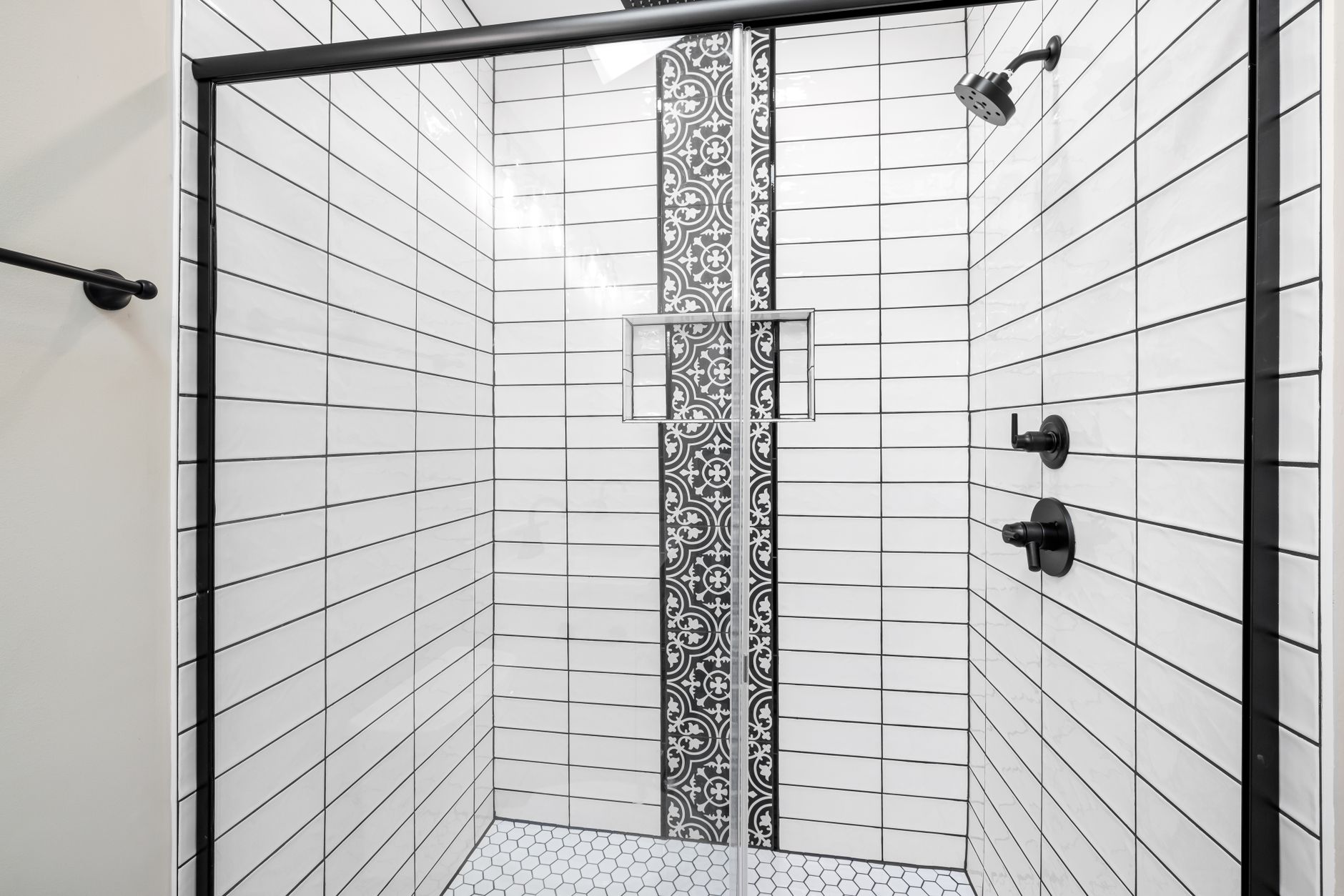
A shower is one of the most frequently used features in a bathroom, so its design, condition, and functionality can have a major effect on the comfort of a home. Over time, an outdated shower can become difficult to clean, develop leaks, show signs of water damage, or simply stop meeting the needs of the people using it. Remodeling provides an opportunity to improve the appearance of the bathroom while also addressing practical concerns such as storage, accessibility, water management, lighting, ventilation, and durability. A well-planned shower renovation can transform an ordinary bathroom into a comfortable, attractive, and efficient space without necessarily requiring a complete bathroom reconstruction.
Before beginning a project, it is important to understand the different elements involved in a shower renovation. The process may include removing old materials, inspecting the structure, improving waterproofing, replacing plumbing fixtures, installing a new shower base or pan, adding wall surfaces, improving drainage, and completing decorative details. Careful planning is essential because many of the most important components of a shower are located behind walls and beneath finished surfaces. When these hidden elements are installed correctly, the finished shower can provide dependable performance for many years.
Understanding the Purpose of a Shower Remodel
A shower remodel is more than a cosmetic update. Although new tile, fixtures, glass, and finishes can dramatically improve the appearance of a bathroom, the project also provides an opportunity to correct underlying problems and improve the overall function of the space. An older shower may have outdated plumbing, insufficient waterproofing, poor drainage, limited storage, or an inefficient layout.
Remodeling can address these issues while creating a design that better suits current needs. Homeowners may choose to enlarge a shower, remove an outdated tub and replace it with a walk-in design, add built-in storage, install a handheld showerhead, improve lighting, or create a more accessible bathing area. The best remodeling projects combine visual improvements with practical upgrades.
It is also important to distinguish between a surface refresh and a complete renovation. Replacing decorative elements may be appropriate when the underlying shower is in good condition. However, if there are leaks, extensive mold-like growth, damaged framing, or deteriorated waterproofing, a deeper renovation may be necessary.
Signs That a Shower Needs Remodeling
Visible deterioration is one of the most obvious reasons to consider a shower renovation. Cracked tiles, damaged grout, loose wall panels, deteriorated caulking, and stained surfaces can make a bathroom look old and poorly maintained. More importantly, these conditions can sometimes allow water to reach areas that should remain dry.
Persistent leaks are another major warning sign. Water appearing around the shower base, outside the enclosure, or on the ceiling below can indicate a plumbing or waterproofing problem. Even when the leak seems minor, continued moisture exposure can damage subflooring, wall framing, insulation, and other hidden materials.
Poor drainage can also make a shower frustrating to use. Water that remains on the floor after bathing may indicate a clogged drain, inadequate slope, or an improperly installed shower base. A remodel can provide an opportunity to correct the drainage system rather than repeatedly dealing with the same problem.
Limited space and outdated layouts are additional reasons for remodeling. A shower that feels cramped may benefit from a more efficient configuration, while an unused bathtub may be removed to create a larger and more practical shower area.
Planning the Ideal Shower Layout
Good planning is one of the most important stages of a remodeling project. Before choosing finishes or fixtures, homeowners should consider how the shower will be used and what changes are actually needed. The available space, location of plumbing, door swing, storage requirements, and relationship between the shower and other bathroom features should all be evaluated.
A larger shower can create a more comfortable experience, but expanding the shower may require moving walls, drains, or plumbing lines. In other cases, a relatively simple change in layout can create significant improvements without major structural work.
The position of the showerhead should also be considered carefully. Its height and direction can affect comfort and water distribution. Handheld fixtures can provide additional flexibility, particularly for households with different users or accessibility needs.
Storage should be planned before construction begins. Built-in niches, corner shelves, benches, and recessed storage can keep bottles and bathing products organized while reducing clutter. Because these features often require framing and waterproofing considerations, they are best incorporated during the planning stage rather than added as an afterthought.
Choosing Shower Wall Materials
The wall material has a major effect on the appearance, maintenance, and durability of the finished shower. Tile remains a popular choice because it offers a wide range of colors, textures, sizes, and patterns. Ceramic and porcelain tiles can provide a durable surface when installed correctly with appropriate waterproofing and setting materials.
Large-format tiles can create a cleaner appearance by reducing the number of grout joints. Fewer joints can also simplify cleaning, although the installation requires a properly prepared surface and careful handling. Smaller tiles can be useful for creating decorative patterns and may work well on curved or sloped surfaces.
Natural stone can provide a distinctive and luxurious appearance, but it often requires more maintenance than manufactured tile. Some stone products may need sealing and specialized cleaning methods. Homeowners should consider not only how a material looks when new but also how much maintenance it will require over time.
Prefabricated wall systems and other modern shower surfaces can provide an alternative to traditional tile. These products may offer fewer seams and can sometimes simplify cleaning. The best choice depends on the desired appearance, budget, maintenance preferences, and requirements of the bathroom.
The Importance of Waterproofing
Waterproofing is one of the most critical components of a shower renovation. Finished tile and grout are not a substitute for a properly designed waterproofing system. Water can move through small gaps and porous materials, so the structure behind the shower surface must be protected.
A reliable waterproofing system helps prevent moisture from reaching framing, insulation, and subflooring. The exact method depends on the construction system and products being used. Waterproof membranes, backer systems, prefabricated shower components, and other approved methods can all be used when installed according to their requirements.
Special attention is necessary around corners, seams, niches, benches, plumbing penetrations, and the connection between the shower floor and walls. These areas are particularly vulnerable to water intrusion when they are not properly detailed.
Cutting corners on waterproofing can create serious problems that may not become visible until long after the remodeling project has been completed. A beautiful shower is not truly successful if water is slowly damaging the structure behind it. Proper waterproofing should therefore be treated as a fundamental part of the renovation rather than an optional upgrade.
Selecting the Right Shower Floor
The shower floor needs to provide both durability and safe footing. Tile is a common option, but the size and surface texture should be selected carefully. Smaller tiles can provide more grout joints, which may improve traction on a sloped shower floor. Textured surfaces can also provide additional grip compared with highly polished materials.
The shower floor must be properly sloped toward the drain so that water does not collect in low areas. Even attractive flooring can become problematic if the slope is incorrect. Standing water can contribute to staining, odors, deterioration, and maintenance issues.
The drain location should also be considered during planning. Moving a drain can require access to the subfloor and changes to the plumbing system. If the existing location works well with the new design, keeping it in place may simplify the project and control costs.
Upgrading Shower Fixtures
Fixtures are an important part of both the appearance and functionality of a remodeled shower. A new showerhead can change the bathing experience, while a handheld fixture can provide greater flexibility. Some designs combine a fixed showerhead with a handheld unit to give users multiple options.
Thermostatic or pressure-balancing controls can also improve comfort by helping maintain more consistent water temperature. The appropriate fixture depends on the existing plumbing system and the preferences of the household.
Finish selection is another design consideration. Chrome, brushed finishes, matte finishes, and other options can create different visual effects. Fixtures should generally coordinate with other bathroom hardware to create a cohesive appearance.
While attractive fixtures can enhance the finished design, quality and compatibility should take priority over appearance alone. Fixtures need to be properly installed and connected to the plumbing system to prevent leaks and ensure dependable operation.
Adding Built-In Shower Storage
Storage is often overlooked during shower planning, yet it can significantly improve everyday convenience. Bottles placed on the floor or crowded along a narrow ledge can make a shower feel cluttered. Built-in storage provides a dedicated location for toiletries while maintaining a cleaner appearance.
A recessed niche is a popular option because it can be integrated into the wall. Shelves can also be installed in corners or along a wall when a recessed design is not practical. A built-in bench can provide seating while also creating additional surface area for storage or personal care.
However, storage features must be properly integrated into the waterproofing system. A poorly constructed niche or bench can create potential pathways for water intrusion. These details should therefore be planned as part of the shower's waterproofing strategy.
Improving Shower Accessibility
A remodel provides an excellent opportunity to improve accessibility. A curbless or low-threshold shower can make entering and exiting easier, particularly for people who have difficulty stepping over a traditional shower curb. Grab bars, handheld shower fixtures, benches, and strategically positioned controls can further improve usability.
Accessibility does not have to mean sacrificing style. Modern shower designs can incorporate these features in a way that complements the overall appearance of the bathroom. Planning for future needs can also be beneficial, even when the household does not currently require specialized accessibility features.
The important consideration is to ensure that accessibility features are securely installed and appropriately supported. Grab bars, for example, need suitable structural reinforcement rather than being attached only to finished wall material.
Lighting and Ventilation Considerations
Good lighting can make a shower more comfortable and visually appealing. Recessed fixtures, appropriately rated wet-location lighting, or other suitable lighting systems can improve visibility. Lighting should be selected and installed according to applicable electrical safety requirements for wet environments.
Ventilation is equally important. Bathrooms naturally produce significant moisture, and inadequate ventilation can contribute to condensation, odors, surface deterioration, and mold growth. A properly sized exhaust fan can help remove humid air and protect the bathroom environment.
During a remodel, ventilation should be evaluated rather than assuming that the existing system is adequate. If moisture problems have been persistent, improving ventilation may be an important part of the overall solution.
Hiring the Right Remodeling Professional
The quality of workmanship has a major effect on the success of a shower renovation. Because showers involve plumbing, waterproofing, tile or wall installation, electrical considerations, and detailed finishing, choosing an experienced professional can reduce the risk of costly mistakes.
When evaluating contractors, homeowners should ask about their experience with shower renovations and how they handle waterproofing. It is reasonable to request examples of previous projects and ask what products and installation systems they typically use.
A detailed estimate should explain the scope of work, including demolition, plumbing changes, waterproofing, materials, installation, fixtures, disposal, and finishing. A clear scope helps prevent misunderstandings about what is included in the project.
Communication is also important. Remodeling can sometimes reveal hidden problems after existing materials are removed. A reliable professional should explain unexpected conditions and discuss available solutions before proceeding with additional work.
Managing the Remodeling Budget
The cost of a shower renovation can vary widely depending on the size of the space, materials selected, plumbing changes, waterproofing system, labor, and structural conditions. Setting a realistic budget before construction begins can make the decision-making process easier.
Homeowners should distinguish between essential improvements and optional upgrades. Waterproofing, proper drainage, safe electrical work, and sound plumbing are fundamental. Decorative features such as premium tile, custom glass, specialized fixtures, or elaborate niches can be considered after the essential components have been accounted for.
It is also wise to reserve some budget for unexpected conditions. Once an old shower is opened, hidden water damage, deteriorated framing, or outdated plumbing may become visible. Having contingency funds can prevent necessary repairs from being postponed.
A low initial estimate is not necessarily the best value. If important preparation or waterproofing work is excluded, the final cost may increase substantially. A detailed proposal provides a better basis for comparing options.
Maintaining a Newly Remodeled Shower
Proper maintenance can help preserve the appearance and performance of a renovated shower. Surfaces should be cleaned according to the manufacturer's recommendations, and harsh chemicals should be avoided when they could damage tile, stone, grout, sealants, or fixtures.
Regularly removing excess water and maintaining good ventilation can help reduce moisture buildup. Shower doors and hardware should also be inspected periodically for signs of leaks, loose components, or deteriorating seals.Grout and caulk should be monitored because these materials can eventually deteriorate. Small areas of failed caulking can often be addressed before they become larger moisture problems. However, recurring deterioration may indicate movement or water-management issues that deserve further investigation.
Keeping drains clear is also important. Hair, soap residue, and other debris can restrict drainage and cause water to remain on the shower floor. Routine cleaning can help maintain proper water flow.
Common Shower Remodeling Mistakes
One of the most serious mistakes is focusing entirely on appearance while overlooking waterproofing. Attractive tile and expensive fixtures cannot compensate for a poorly protected structure. Waterproofing should always be treated as a priority.
Another common mistake is choosing materials without considering maintenance. A material that looks impressive in a showroom may require more cleaning or sealing than the homeowner is willing to perform. Long-term maintenance should be part of the selection process.
Poor planning can also lead to unnecessary expenses. Moving plumbing, changing drain locations, or adding structural features after construction has already started can increase both labor and material costs. Decisions should be finalized as much as possible before demolition begins.
Finally, rushing the installation can compromise quality. Waterproofing systems, adhesives, grout, and other materials may require specific installation and curing conditions. Following manufacturer requirements and allowing adequate time for each stage can improve long-term performance.
Final Thoughts on a Successful Shower Renovation
A shower renovation can dramatically improve a bathroom when it is approached with careful planning and attention to both visible and hidden details. The right design can create a more attractive space, improve storage, increase comfort, enhance accessibility, and make everyday maintenance easier.
Successful shower remodels begin with an assessment of the existing space and a clear understanding of what needs to change. Homeowners should consider layout, waterproofing, drainage, wall materials, flooring, fixtures, storage, lighting, ventilation, and future needs before construction begins. These decisions work together to determine the final quality and usability of the shower.
Professional installation can be particularly valuable because many critical components are concealed once the project is finished. Proper waterproofing, plumbing connections, substrate preparation, and drainage require careful workmanship and appropriate materials. Addressing these elements correctly can help prevent expensive problems later.
Ultimately, the best renovation balances style, durability, comfort, safety, and practicality. A shower should not only look beautiful when the project is completed; it should also remain dependable and easy to maintain through years of everyday use. With thoughtful design, quality materials, proper waterproofing, and skilled installation, a remodeled shower can become one of the most valuable and enjoyable improvements in a home.