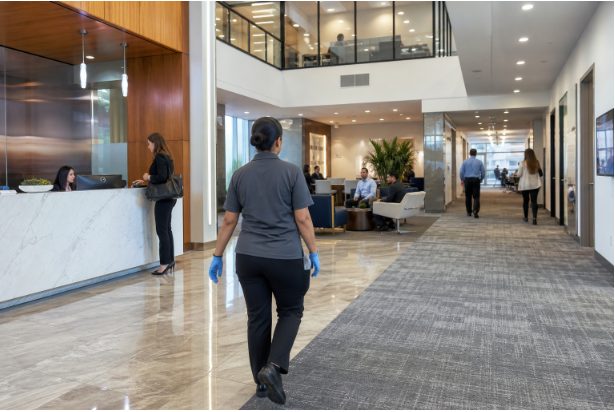
A busy facility needs a cleaning plan that reflects how people actually use the building, not a generic list of chores. For Colorado managers evaluating outside support, this cleaning and maintenance provider, Sunshine Building Maintenance, Inc., is a family-owned commercial cleaning company based in Lakewood that has served Colorado facilities since 1979, providing day-and-night janitorial service, carpet cleaning, hard-floor maintenance, and post-construction cleanup. Its experience across commercial, education, healthcare, and industrial settings makes it a relevant example of why cleaning programs should be tailored to the property, schedule, and surfaces involved.
The right plan makes expectations clear for managers, employees, and cleaning teams. It assigns work by area, defines how often it occurs, identifies safety requirements, and establishes a way to confirm that the work was completed to the expected standard.
Why A Basic Checklist Is Not Enough
A single checklist can overlook differences between a lobby, restroom, break room, warehouse, classroom, and private office. Entrances may collect water and dirt. Shared kitchens need frequent attention. Restrooms require supply checks and cleaning. Production areas may have restricted access, hazards, dust, grease, or scheduling limits. Vague instructions lead to missed details like overflowing bins, neglected touchpoints, empty soap dispensers, or dirty corners during quick walkthroughs. A written plan ensures everyone understands what and when to clean.
Start With A Facility Walkthrough
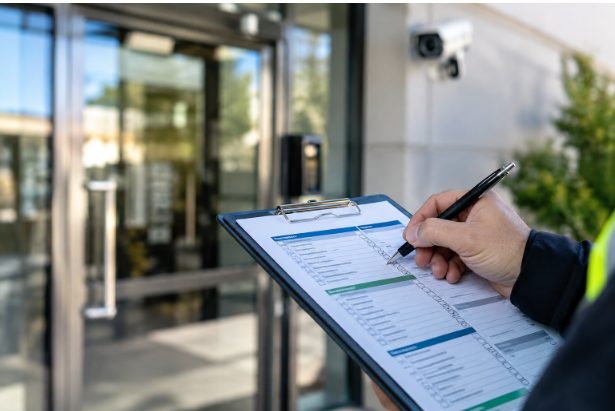
Begin on-site rather than with a template. Walk the property during normal operating hours if possible, then document the building layout, approximate square footage, entrances, elevators, stairwells, restrooms, kitchens, break rooms, storage spaces, loading areas, and waste points.
Record surface types, including carpet, tile, vinyl, concrete, wood, glass, upholstery, and electronic equipment. Also note peak traffic periods, access restrictions, security procedures, event schedules, and rooms that staff identify as frequent sources of complaints. These observations create a realistic foundation for scheduling.
Divide The Building Into Cleaning Zones
Zones make it easier to assign, inspect, and adjust work. Most commercial properties can be organized into the following groups:
- Public areas: Entrances, lobbies, reception desks, waiting rooms, elevators, and corridors.
- Work areas: Offices, workstations, conference rooms, and shared equipment spaces.
- Hygiene areas: Restrooms, kitchens, break rooms, locker rooms, and changing areas.
- Support areas: Storage rooms, utility rooms, loading docks, and waste collection points.
- Specialty areas: Clinics, laboratories, classrooms, production spaces, or restricted rooms.
Set Priorities By Traffic, Risk, And Use
Appearance matters, but it should not be the only factor that determines frequency. Door handles, elevator buttons, counters, touchscreens, shared keyboards, restroom fixtures, and break-room appliances may need routine attention because many people use them. The CDC guidance for cleaning and disinfecting facilities states that surfaces should be cleaned before sanitizing or disinfecting, as dirt and other debris can reduce the effectiveness of these products.
A practical priority structure may include:
- Each visit: Restrooms, visible spills, trash points, entryways, and designated high-touch surfaces.
- Several times per week: Busy hard floors, shared rooms, active corridors, interior glass, and break areas.
- Weekly: Detailed dusting, lower ledges, supply checks, spot cleaning, and less-used rooms.
- Monthly or quarterly: Carpet extraction, high dusting, upholstery care, floor treatments, and detailed inspections.
Healthcare, food service, childcare, manufacturing, and other specialized environments may have additional rules or facility-specific procedures. Their plans should identify approved products, training requirements, documentation, and room-by-room methods.
Create A Cleaning Frequency Matrix
Turn the walkthrough into a working schedule by listing each zone and the tasks required there. For each task, identify the frequency, owner, required supplies or equipment, access conditions, and what "complete" looks like. Include a place for missed work, unusual conditions, and follow-up notes.
For example, daily work may include restroom care, trash removal, vacuuming, spot mopping, kitchen cleaning, and spill response. Weekly work can cover detailed dusting, appliance cleaning, interior glass touch-ups, and low-traffic floor care. Monthly tasks may include baseboards, door frames, supply audits, and storage-room cleaning. Quarterly work may include carpet extraction, high dusting, deep floor maintenance, and upholstery cleaning.
Match Methods, Products, And Safety Rules To The Job
One product or tool should not be used everywhere. Use surface-safe products for desks, glass, counters, floors, and electronics, and follow manufacturer instructions for electronic devices. Carpet care should account for fiber type, traffic level, and drying conditions. Hard-floor methods should match the material and any existing finish or treatment.
Managers reviewing product options can use the EPA Safer Choice product resources to explore categories relevant to offices, schools, and other community settings. Regardless of the product selected, follow label directions for dilution, contact time, storage, disposal, and personal protective equipment.
Safety rules should require wet-floor signs, available Safety Data Sheets, secure chemical storage, adequate ventilation when needed, and separate restroom tools from tools used in kitchens or general areas. Cleaning chemicals should never be mixed unless product instructions specifically allow it. Teams should also know how to respond to spills, broken glass, and bodily-fluid incidents.
Build Quality Checks Into The Plan
Completion boxes alone do not prove quality. Use room-by-room inspections to check corners, touchpoints, floor edges, restroom supplies, waste removal, and visible soil. Track recurring complaints by zone, record spill response times, compare inspection results over time, and ask building users where conditions are affecting their work or experience.
Adjust For Facility Type And Changing Conditions
Office buildings often need attention around reception areas, conference rooms, kitchens, restrooms, and shared touchpoints. Schools require planning for classrooms, cafeterias, gyms, hallways, events, and school breaks. Industrial properties require coordination with production schedules, machinery, dust and grease, loading areas, and restricted zones. Retail locations commonly prioritize entrances, floors, glass, fitting rooms, checkout areas, and changing customer traffic.
Review the plan after renovations, staffing changes, occupancy increases, major events, or schedule changes. Wet or snowy weather may require more entryway care, while lower-occupancy periods may be better for carpet extraction, floor treatments, high-dusting, and other disruptive work.
In-House, Contracted, Or Blended Support
In-house teams can work well for facilities with stable schedules and close internal supervision. Contracted providers may be useful when a property needs extended coverage, specialized equipment, flexible staffing, post-construction cleanup, or periodic floor and carpet care. A blended model can combine employee upkeep during operating hours with professional scheduled service.
Practical Cleaning Plan Checklist
- Map the property and divide it into workable zones.
- Identify high-traffic, high-touch, and higher-risk areas.
- Separate daily work from periodic deep cleaning.
- Assign every task to a person, team, or provider.
- Confirm supplies, equipment, PPE, and access requirements.
- Define completion standards and inspect the results.
- Track recurring issues and revise the schedule when conditions change.
A strong commercial cleaning plan is practical, measurable, and flexible. When priorities, methods, responsibilities, and quality checks are clear, facilities are easier to manage and better prepared for the changing demands of daily operations.