

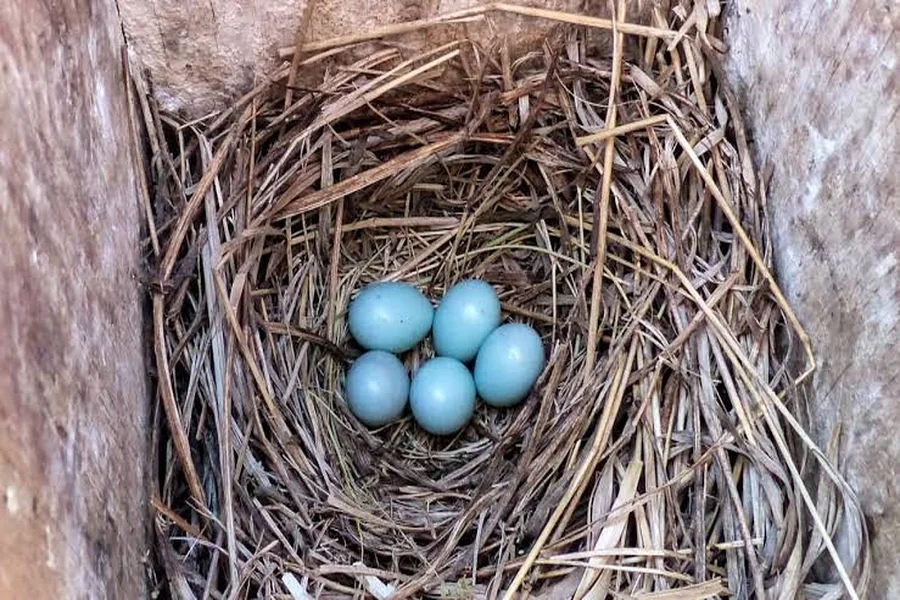
A bird nest can look empty for several reasons. The young may have fledged, the adults may be nearby gathering food, or the nest may have been temporarily left unattended while the birds search for resources. In other cases, nesting may have failed altogether.
That uncertainty matters. An apparently abandoned nest is not automatically safe to remove, and disturbing it too soon can harm birds that are still dependent on it. Understanding what happens after abandonment—and how to respond responsibly—can help homeowners, landlords and property managers avoid unnecessary damage and legal complications.
How to Tell Whether a Nest Is Truly Abandoned
The first mistake people make is assuming that no visible activity means no birds are using the nest. Adult birds may stay away for extended periods, particularly while feeding chicks. Some species are also discreet by nature and will avoid flying directly to the nest if people are watching.
Before deciding that a nest has been abandoned, observe it from a distance over several days. Avoid touching the structure, standing beneath it for long periods or repeatedly approaching the area. These actions may deter adult birds from returning, especially if the nest is in a vulnerable location.
Signs that nesting may still be active include:
- Adults carrying food, nesting material or faeces nearby
- Chicks making noise or moving within the nest
- Birds repeatedly entering or leaving the area
- Fresh droppings, feathers or recently added material
Even when young birds have left the nest, adults may continue returning to the site for a short time. Fledglings can remain dependent on their parents while learning to fly and find food. A nest that appears empty may therefore be part of a wider nesting territory that is still in use.
What Happens After Birds Leave?
Once the young have fledged and the breeding attempt is complete, the nest begins to deteriorate naturally. Wind, rain and sunlight gradually break down materials such as moss, grass, feathers, twigs and mud. Some birds abandon a nest permanently after one brood, while others may repair and reuse it during the same season.
Nest reuse varies considerably between species. Robins, blackbirds and many finches commonly build a fresh nest for each brood, whereas some birds may return to an existing structure if it remains suitable. Larger species can reuse or add to nests over several years, causing them to become substantial and increasingly visible.
An abandoned nest may also become part of the local ecosystem. Insects and spiders can shelter in its fibres, while small mammals may use it as nesting material. Eventually, weathering and decomposition return much of the material to the surrounding environment.
This process is usually best left undisturbed. A nest that is no longer occupied does not present a problem simply because it remains in place. In fact, removing it immediately may offer little practical benefit, particularly if the same birds are likely to nest nearby again.
Is It Legal to Remove an Abandoned Nest?
In the UK, the Wildlife and Countryside Act 1981 makes it an offence to intentionally damage, destroy or remove an active wild bird’s nest while it is being built or used. It is also illegal to take or destroy wild bird eggs. Additional protection applies to certain species listed under Schedule 1 of the Act.
The difficult point is establishing whether a nest is genuinely inactive. There is no universal number of days that proves abandonment, and the answer may depend on the species, season, location and evidence of recent use. Removing a nest simply because it looks untidy or has not been visited for a few hours is not a safe approach.
For a clearer overview of the relevant considerations, see this guide on when it is legal to remove a bird nest. It is particularly useful when a nest is attached to a building, obstructing essential maintenance or creating concerns about hygiene and access.
Where there is any doubt, leave the nest in place and seek advice from a qualified wildlife professional or an appropriate conservation organisation. A responsible assessment should consider whether birds are still present, whether eggs or chicks are involved and whether the structure belongs to a protected species.
What Should You Do If the Nest Is on a Building?
Birds sometimes choose inconvenient locations, including roof spaces, gutters, wall cavities, vents and sheltered areas beneath solar panels. Once the breeding period has ended, the underlying access point may still need attention. Simply removing the visible nest may not solve the problem. If the gap remains open, birds may return or other wildlife may move in.
A sensible approach is to:
- Confirm that the nest is no longer active.
- Identify how birds are entering the building.
- Check whether chicks or dependent fledglings are still nearby.
- Complete any essential cleaning safely.
- Repair or proof the access point only when it is lawful and appropriate.
Timing is important. Blocking an entrance while birds are still inside can trap adults or separate young from their parents. It can also force birds to attempt another entry, potentially causing damage to tiles, vents or insulation.
Nesting material may contain parasites, droppings and other contaminants, particularly when it has accumulated in a confined roof or wall cavity. Anyone cleaning it should use suitable protective equipment and avoid creating dust. In larger or heavily contaminated areas, professional cleaning is the safer option.
Why Prevention Is Better Than Repeated Removal
If birds repeatedly nest in the same place, the long-term solution is usually exclusion rather than removal. This might involve repairing damaged roofing, fitting a suitable guard over a vent or altering a sheltered ledge. Any proofing work must be designed carefully so that it does not trap birds or interfere with other protected wildlife.
Prevention should take place outside active nesting periods and only after the area has been checked. Poorly installed deterrents can create new hazards, including sharp edges, entanglement risks and blocked ventilation.
It is also worth considering whether the location can simply be tolerated. In many cases, a nest causes no meaningful harm and will disappear naturally after the breeding attempt. Removing it may create more disturbance than leaving it alone.
A Careful Response Protects Birds and Property
An abandoned bird nest is not merely rubbish waiting to be cleared. It may be part of a continuing nesting attempt, a reusable structure or evidence that birds have found a reliable place to breed. Waiting, observing and taking advice where necessary are usually the most responsible first steps.
Once abandonment is clear and legal requirements have been considered, essential maintenance or exclusion work can be planned safely. The aim should not be to remove every trace of wildlife, but to manage the building in a way that protects birds, prevents recurring problems and respects the surrounding environment.





1 thought on “What Happens Once a Bird Nest Has Been Abandoned?”
Comments are closed.