

Table Of Contents
- Introduction
- Why Planning Matters
- Signs a Roof May Need Replacement
- Springfield Weather Considerations
- Repair or Replace?
- Roofing Materials to Consider
- Reviewing Roofing Estimates
- Comparing Contractors and Permits
- Preparing for Installation
- After the Work Is Complete
- Common Questions
- Final Takeaway
A roof replacement is a major home project, particularly in Springfield, Massachusetts, where snow, ice, rain, wind, and changing seasonal temperatures can test every part of a roofing system. Thoughtful planning helps homeowners compare options, understand the scope of work, and avoid making decisions only after a leak becomes urgent.
Whether you are responding to visible wear or planning ahead for an aging roof, learning what is involved in roofing replacement can make conversations with contractors more productive. The goal is not simply to install new shingles. It is to create a complete system that manages water, supports ventilation, and protects the home beneath it.
Why Roof Replacement Planning Matters
A roof is more than its visible outer layer. Shingles or panels work alongside underlayment, flashing, roof decking, ventilation, gutters, and drainage paths. A problem in any one of these areas can allow moisture into the home or shorten the service life of the materials above it.
Planning early gives you time to schedule inspections, compare detailed proposals, choose materials suited to the roof's slope, and prepare for potential hidden repairs. It also makes it easier to distinguish a manageable repair from a broader issue that deserves replacement.
Signs a Roof May Need Replacement
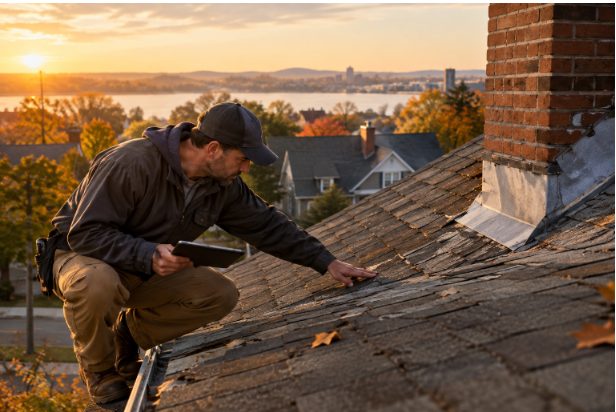
Some roof concerns are visible from the ground, while others show up inside the home. Pay attention to the following warning signs:
- Missing, cracked, curled, loose, or visibly worn shingles.
- Granules are collecting heavily in gutters or at downspout exits.
- Water stains on upper walls, ceilings, or attic surfaces.
- Damaged flashing around chimneys, vents, skylights, and roof edges.
- Soft-looking areas, sagging along the roofline, or repeated leaks.
- Repairs that keep returning to the same location.
A few damaged shingles after a storm may be repairable. Widespread wear, recurring leaks, or signs of deck damage call for a closer evaluation of the entire roof system.
How Springfield Weather Affects Roofing
Springfield homes experience winter snow and ice, spring rain, summer heat, and wind-driven storms. Freeze-and-thaw cycles can stress shingles, sealants, and flashing, while clogged gutters or poor drainage can keep water where it does not belong.
Attic insulation and airflow matter as well. Uneven roof temperatures can contribute to snow melt and refreezing near the eaves, which is one reason homeowners should ask how underlayment, ventilation, and ice protection will be addressed. A roof that looks fine from the street may still have weak flashing or inadequate ventilation that becomes apparent during difficult winter weather.
Repair or Replace: How to Decide
There is no single answer for every Springfield property. Consider the condition, age, and repair history of the existing roof.
- Repair may make sense when damage is small and isolated, the roof is relatively new, the surrounding materials remain sound, and a limited storm event caused the problem.
- Replacement may make sense when leaks occur in multiple locations, shingles are widely deteriorated, flashing problems are widespread, decking is compromised, or prior repairs have not resolved the issue.
The lowest immediate price is not always the lowest long-term cost. Repeated repairs can be more disruptive and expensive than resolving a widespread roof failure in a single well-planned project.
Roofing Materials to Consider
Material selection should reflect the roof design, budget, desired appearance, maintenance expectations, and manufacturer installation requirements.
- Asphalt shingles: A common residential choice available in many colors, profiles, and product levels.
- Metal roofing: Often selected for its long service life and distinct appearance.
- Synthetic roofing: A lighter alternative designed to resemble certain traditional roofing styles.
- Low-slope systems: Used on roof sections where conventional shingles are not appropriate.
A contractor should identify whether each roof section has the slope and conditions needed for the proposed product. This is especially important for additions, porches, dormers, and other areas that may perform differently from the main roof.
What a Roofing Estimate Should Include
Compare written estimates line by line rather than relying only on the total price. A clear proposal should identify:
- The roof areas included and the planned materials.
- Tear-off, disposal, underlayment, flashing, ventilation, and ice-protection details.
- How damaged decking will be documented and priced if discovered.
- Labor, anticipated timing, cleanup practices, and property protection steps.
- Permit responsibility, payment schedule, change-order terms, and warranty information.
A lower quote may omit components that are important to water management or long-term performance. Ask questions before signing, not after materials arrive.
How to Compare Contractors, Registration, and Permits
Request proposals from multiple qualified contractors and verify business details before choosing one. Ask for proof of liability insurance and workers' compensation coverage, recent comparable references, the name of the daily project supervisor, and a clear explanation of how unexpected conditions will be handled.
Massachusetts homeowners can use the state's guidance for home improvement contractors to understand registration, contracts, payments, and consumer protections. For eligible residential projects, state guidance notes that contracts over $1,000 must be in writing and generally limits advance payment to one-third of the contract cost, except when special-order materials are needed.
Permit requirements depend on the work and local rules. Before the project begins, confirm who will apply, post the required documents, arrange inspections, and close out the permit. Springfield's permits and inspections information provides a local starting point for questions about the city process.
How to Prepare for the Roofing Project
- Move vehicles, patio furniture, grills, and fragile outdoor items away from the work area.
- Remove or protect delicate belongings in the attic and upper rooms, as roofing work can cause vibration.
- Trim branches that interfere with roof access, if appropriate.
- Keep children and pets clear of the work zone and falling-debris areas.
- Confirm where materials and waste containers will be placed and how cleanup will be managed.
What to Check After Installation
Walk the property with the project supervisor after completion. Check that flashing, vents, gutters, and downspouts appear properly connected, and look for loose material or accidental damage around the home. Collect final invoices, warranty documents, permit records, photographs, and any written maintenance recommendations before the project is considered complete.
Common Homeowner Questions
How long does a roof replacement take?
Timing depends on roof size, slope, material, weather, tear-off requirements, crew size, and any hidden decking repairs discovered during the work.
Can a roof be replaced during cold weather?
Cold-weather work may be possible when conditions are safe, and materials can be installed according to the manufacturer's requirements. Snow, ice, wind, and temperature limits can affect scheduling.
Should old shingles always be removed?
A tear-off can reveal hidden deck or flashing problems and allows the new system to be installed over a clearly inspected surface. The right approach depends on the roof's existing condition and applicable requirements.
What if damaged decking is found?
The contractor should document the affected area and, whenever practical, provide a written change order that explains any added materials, labor, and price before proceeding.
Final Takeaway
A successful roof replacement in Springfield begins with a careful inspection, detailed estimates, documented expectations, and a contractor comparison process that goes beyond the lowest bid. By planning for local weather, permit responsibilities, system components, and final cleanup, homeowners can make decisions based on the condition of their home rather than pressure or guesswork.











1 thought on “Roof Replacement Planning in Springfield, Massachusetts: A Homeowner Checklist”
Comments are closed.