

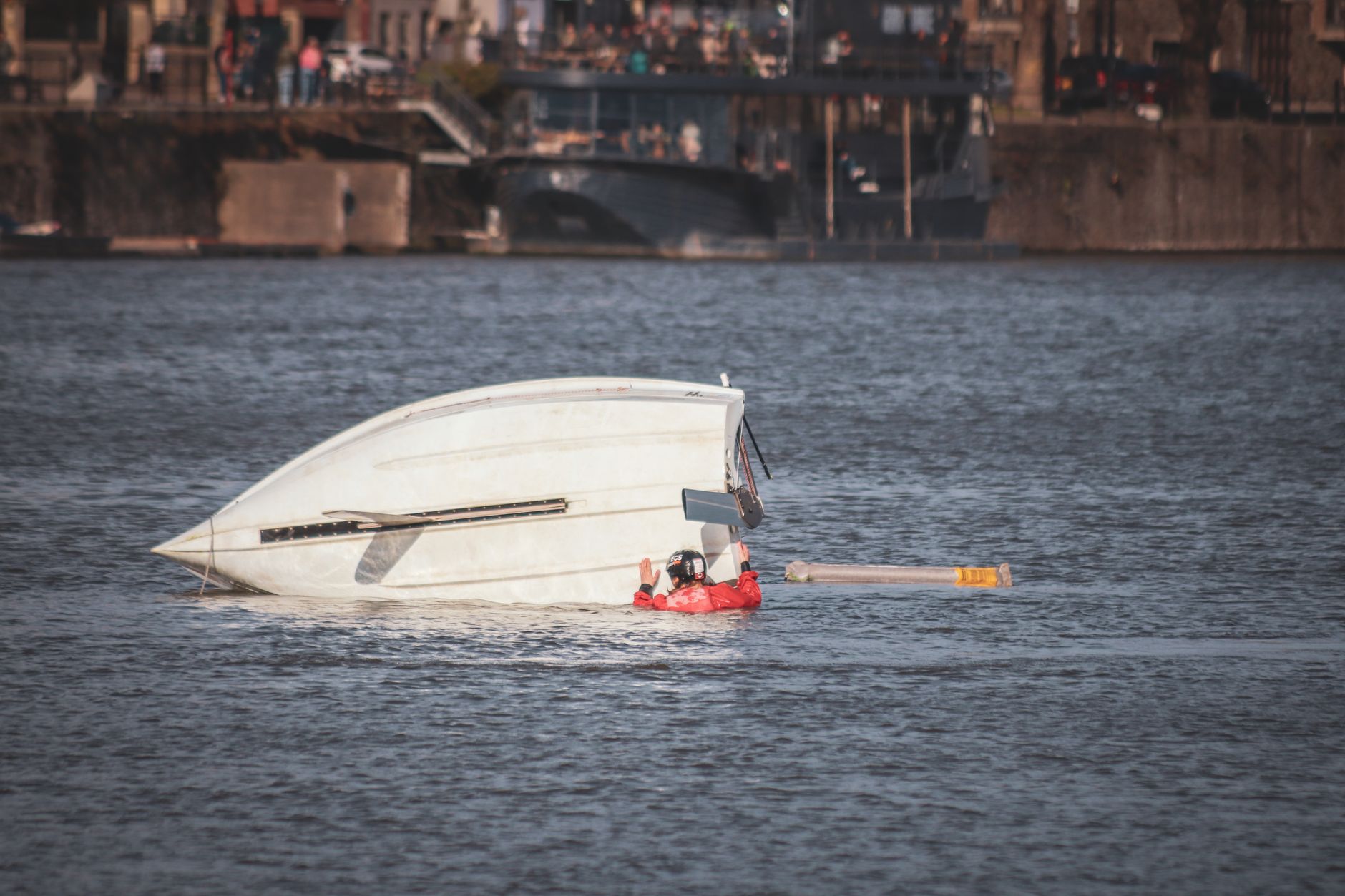
A boating accident can hurt your bank account almost as much as your body. A boat operator who is drinking, speeding, or not paying attention can cause a crash that leaves you with injuries, a damaged boat, and bills you never planned for. Even a short hospital stay can cost thousands of dollars, and missed work only adds to the pressure.
The steps you take in the first few weeks can help protect your money and your options. Talking with a boating accident lawyer in Spokane early on can help you understand who may be responsible and which costs you may be able to recover. Here is a practical look at how to keep your finances on solid ground while you heal.
Why a Boating Accident Can Hurt Your Finances So Quickly
Boating crashes often cause serious injuries because boats have no seatbelts or airbags, and riders can be thrown against hard surfaces or into cold water. Broken bones, head injuries, propeller cuts, and near-drowning events can all require emergency care, surgery, and months of follow-up treatment. Each of those steps comes with its own bill.
The costs do not stop at the hospital. You may also be paying for repairs to your boat or personal property, losing income while you are away from work, and covering help with things like childcare or rides to appointments. When these expenses pile up at the same time, it is easy to feel pressure to accept the first payment offered just to catch up.
Get Medical Care and Save Every Record
Your health comes first, and it also plays a big role in any financial recovery. See a doctor right away, even if you feel fine, because some injuries like concussions do not show clear signs at first. Follow your treatment plan and keep every appointment, since gaps in care can make it look like your injuries were not serious.
Start a folder, either paper or digital, for every bill, receipt, and medical record connected to the accident. Include pharmacy costs, mileage to and from appointments, and any equipment you need, like crutches or a brace. These small expenses add up quickly, and you can generally only ask to be repaid for costs you can show.
Report the Accident and Document the Scene
Washington has clear rules about reporting boating accidents. Under the Washington State Parks boating accident reporting rules, the operator must file a written report when someone dies, disappears, or needs medical treatment beyond first aid, or when property damage is more than $2,000. Reports involving an injury, death, or missing person are due within 48 hours, while other reports are due within 10 days. This duty falls on the boat operator, or the owner if the operator cannot file, so injured passengers do not need to submit one themselves.
If you were the operator, keep a copy of the report you filed. Either way, ask whether a law enforcement officer wrote a separate incident report. Write down your own notes about the crash, including the time, weather, and names of everyone involved. Photos of the boats, the scene, and your injuries can help show what happened once an insurance company starts asking questions.
Track Lost Income From Day One
If your injuries keep you off work, keep a simple log of the days and hours you miss. Save pay stubs from before the accident so you can show what you normally earn. If you work for yourself, gather invoices, bank statements, or tax returns that show your usual income.
Some injuries affect your ability to earn money long after you return to work. You may need lighter duties, fewer hours, or a different job altogether. Ask your doctor to note any work limits in your medical records, since this can help show the long-term cost of the injury.
Be Careful With Insurance Adjusters and Early Offers
An adjuster from the other boater's insurance company may call soon after the crash. They may sound friendly, but their job is to keep costs low for the insurer. Be polite, but avoid giving a recorded statement or guessing about who was at fault before you understand your rights.
A quick settlement offer can feel like a relief when bills are due. The problem is that once you accept, you usually cannot ask for more money later, even if your injuries turn out to be worse than you thought. It often makes sense to wait until you have a clear picture of your medical needs and lost income before agreeing to anything.
It is also worth reading your own boat insurance policy closely. Some policies include coverage for crashes caused by a boater who has no insurance or not enough insurance, which can help fill the gap when the other side cannot pay.
Find Out Who May Be Responsible
More than one party can share the blame for a boating crash. The operator may have been speeding, distracted, or under the influence. The boat owner may have let an unsafe person drive or failed to keep the boat in good shape. In some cases, rental companies that skip safety checks or bars that overserve a boater can also be held responsible.
Finding every responsible party matters because it can affect how much insurance coverage is available to pay for your losses. Rental agreements, maintenance logs, and witness statements can all help show who played a role in the crash and whose insurance may need to pay.
Boating Accidents Around Spokane
Spokane sits close to some of the most popular waters in the Inland Northwest. The Spokane River runs right through the city, and places like Long Lake, Liberty Lake, and Lake Roosevelt fill up with boats, jet skis, and paddlers every summer. Busy weekends bring experienced boaters and first-timers into the same space, which raises the risk of collisions.
Many Spokane residents also boat on Lake Coeur d'Alene, which sits across the state line in Idaho. A crash there may fall under different rules than one on a Washington lake. If your crash happened there, note exactly where it took place and which agency responded, since those details can shape how your claim moves forward.
Frequently Asked Questions
Can a passenger file a claim after a boating accident?
Yes. Passengers hurt because of an operator's carelessness can often seek compensation, even when the operator is a friend or family member. In many cases, the claim goes through the boat owner's or operator's insurance rather than the person directly.
Should I accept the insurance company's first offer?
Not before you understand your full losses. Once you accept a settlement, you usually cannot ask for more money later, even if your injuries get worse.
What costs can I try to recover after a boating accident?
Depending on the facts, you may be able to seek medical bills, lost wages, reduced future earnings, property damage, and pain and suffering. Detailed records help support each of these.
What if the boater who caused the crash was drinking?
Boating under the influence is illegal in Washington, and the operator may face criminal charges. Those charges are separate from your claim, but police reports and test results from the criminal case can help show who was at fault.
Moving Forward After a Boating Accident
A boating accident can turn a fun day into months of money worries. Getting medical care, saving every record, reporting the crash, tracking lost pay, and being careful with insurance offers are simple steps that can protect your finances while you recover. Each one helps build a clear picture of what the accident has really cost you.
If someone else's carelessness caused your injuries, you should not have to carry the financial burden alone. Washington generally allows three years to file most injury claims, but evidence fades fast, so it pays to act early. Talking with a local attorney can help you understand your options and make informed choices about what comes next.








3 thoughts on “Steps to Protect Your Finances After a Spokane Boating Accident”
Comments are closed.