

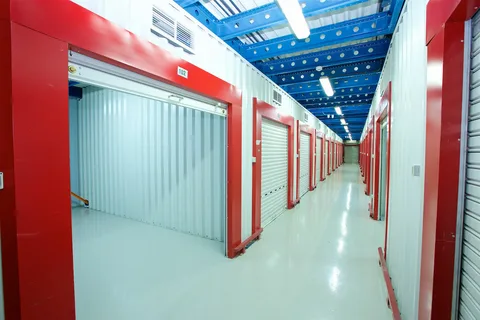
Living in Dubai often means making the most of the space you have. One day, your apartment feels perfectly comfortable. A few months later, you're struggling to find room for extra furniture, travel bags, seasonal clothes, or boxes you haven't opened since your last move.
Throwing everything away isn't always practical, especially when those belongings are still useful or have sentimental value.
That's why personal storage in Dubai has become a useful option for residents who need additional space without moving into a bigger property. Whether you're renovating, relocating, travelling abroad, or simply clearing a crowded apartment, renting storage space allows you to keep belongings elsewhere until you need them.
The challenge is choosing storage that suits your belongings and budget. This article covers the different options available, storage prices in 2026, furniture protection, and the details worth checking before booking.
What Is Personal Storage and How Does It Work?
Personal storage is a rented space where individuals can keep household belongings outside their homes. Depending on the provider, it may be a private storage unit or a managed warehouse where staff handle the items.
The process usually begins with identifying what you want to store. After estimating the required space, you can choose a suitable storage arrangement and rental period. The size of your furniture, storage duration, and any packing or transportation services can also affect the furniture storage dubai cost, so it's worth comparing these details before making a decision.
Some companies let customers transport their belongings independently. Others offer collection, packing, transportation, and return delivery.
You can generally store everyday household items such as:
- Sofas, chairs, tables, and wardrobes
- Mattresses and bedroom furniture
- Suitcases, clothing, and seasonal decorations
- Books, toys, and personal accessories
- Bicycles and sports equipment
- Household appliances and packed kitchen items
Every facility has its own storage rules. Food, hazardous substances, flammable liquids, and other restricted goods may be prohibited.
The main advantage is flexibility. Your belongings remain available for future use without taking up space in your current home.
When Does Renting Storage Space Make Sense?
People rent storage for different reasons. Some need it for a few weeks, while others want to keep furniture safely for several months.
Moving Between Apartments
Imagine your current tenancy ends on the 20th, but your new apartment won't be ready until the following month.
You can arrange temporary accommodation for yourself, but moving your entire household twice would be inconvenient.
Keeping the furniture in storage during that gap can simplify the move. Once the new property is available, the belongings can be delivered directly.
Renovating Your Home
Home renovation can be messy. Painting, flooring work, and kitchen replacement expose belongings to dust, movement, and accidental damage.
Instead of shifting heavy furniture between rooms, you can place selected items in temporary storage.
This gives contractors more room to work and makes cleaning easier once the renovation is finished.
Downsizing to a Smaller Apartment
Moving from a two-bedroom apartment to a studio doesn't necessarily mean you want to sell everything that won't fit.
A storage unit can hold extra furniture, spare appliances, and household boxes while you decide what to keep permanently.
However, if the furniture has little resale value and storage will be needed for years, selling or donating it may be more economical.
Travelling or Relocating Abroad
Residents who spend several months outside the UAE may prefer to store belongings rather than maintain an apartment solely to keep them.
The decision depends on the storage duration, furniture value, and whether the items will be needed when returning.
What Types of Personal Storage Are Available in Dubai?
Storage facilities differ in accessibility, conditions, and the amount of work customers must arrange themselves.
Self-Storage Units
Self-storage gives you a dedicated space for your belongings. You normally handle the packing and organisation, although transport services may be available separately.
It's particularly useful if you want to visit the facility occasionally to collect or add items.
Check whether access is available daily or restricted to particular hours. Some facilities have monitored access rather than unrestricted entry.
Managed Furniture Storage
With managed storage, the company may collect furniture from your home, transport it to a warehouse, and return it when requested.
This option can suit people storing heavy furniture who don't have suitable transportation.
Ask how items are identified, where they're kept, and whether returning individual pieces involves additional handling charges.
Climate-Controlled Storage
Dubai's summer heat makes environmental conditions an important consideration.
Climate-controlled storage can be useful for wooden furniture, leather upholstery, electronics, photographs, and other temperature-sensitive belongings.
Remember that cooling and humidity control are not necessarily the same service. Ask what the facility actually controls rather than assuming every air-conditioned warehouse offers identical protection.
How to Choose the Right Storage Space for Your Belongings
A little planning before you rent can prevent unnecessary expenses and frustration later.
1. Decide what you're keeping. Separate items you genuinely need from belongings you could sell, donate, or discard.
2. Measure larger furniture. Note the dimensions of wardrobes, sofas, beds, and appliances. Include items that cannot be dismantled.
3. Estimate your storage requirements. Share your inventory with potential providers and ask for a recommended unit size and usable height.
4. Review the location and access. A facility farther from home may be convenient for long-term storage but less practical if you regularly retrieve items.
5. Inspect security and storage conditions. Check controlled entry, CCTV arrangements, cleanliness, ventilation, and fire-safety measures.
6. Request a detailed quotation. Confirm the monthly rent, VAT, deposit requirements, collection charges, and any fees for retrieving items.
7. Read the agreement before paying. Pay particular attention to minimum rental periods, cancellation notice, automatic renewal, and liability for damage.
Don't book purely from a photograph. If possible, visit the facility or request a video showing the actual storage area.
How Much Does Furniture and Personal Storage Cost in Dubai?
Storage prices depend on how much space you need, the type of facility, and how long you intend to keep your belongings there.
When comparing furniture storage Dubai cost, ask whether the quoted amount covers only warehouse space or also includes packing and transportation.
Estimated Monthly Storage Prices in 2026
The following amounts are indicative budgeting ranges based on advertised Dubai operator rates, not fixed market tariffs.
AED 300/month+2
|
Storage size |
Approximate monthly budget |
|
15–25 sq ft |
AED 250–625 |
|
50 sq ft |
AED 500–1,150 |
|
75–100 sq ft |
AED 900–2,250 |
|
150 sq ft |
AED 1,500–2,500+ |
A 25 sq ft unit might work for luggage, boxes, and a few compact pieces of furniture. A larger unit may accommodate more substantial household contents, depending on the height, layout, and how safely the belongings can be stacked.
These rates may exclude other charges. The UAE's standard VAT rate is 5%, so confirm whether VAT is included in the quotation.
Faq
Why Storage Quotes Can Be Different
Two companies may quote different prices for similar storage sizes because their services aren't necessarily identical.
The price can change depending on:
- The warehouse location within Dubai
- Air-conditioning and environmental controls
- Storage unit dimensions and accessibility
- Whether packing materials are supplied
- Collection and return transportation
- Insurance options and coverage limits
- Contract duration and available discounts
For example, a lower monthly storage price may initially look attractive. But if collection, packing, and final delivery are charged separately, it could end up costing more than a package with those services included.
Compare total costs for the entire storage period rather than focusing only on monthly rent.
How to Prepare Your Furniture for Storage
Furniture needs proper preparation, particularly when it will remain unused for several months.
Start by cleaning every item. Dust, food particles, and moisture can create problems during storage.
For sofas and upholstered chairs, vacuum the fabric and make sure it is completely dry before packing. Use protective covers suited to the material, avoiding wrapping that traps moisture.
Wooden furniture should be cleaned and protected against scratches. Where possible, dismantle detachable legs, shelves, or bed frames to reduce space.
Keep screws and small fittings in labelled bags so nothing gets lost.
For appliances, disconnect and clean them according to the manufacturer's instructions. Refrigerators and freezers should be thoroughly defrosted and dried before storage.
Pack fragile belongings in sturdy boxes with suitable cushioning. Don't put heavy boxes on top of delicate objects or stack furniture in a way that could cause it to fall.
Photograph valuable items before collection. An inventory with basic descriptions makes it easier to identify belongings when they're returned.
Common Storage Mistakes That Can Cost You Money
One of the biggest mistakes is renting a unit without knowing how much space is actually required.
People sometimes choose a larger unit because they're unsure whether their furniture will fit. Others underestimate the space needed and discover that everything cannot be stored safely.
A proper inventory and measurements can prevent both problems.
Another mistake is ignoring access arrangements. If you're planning to retrieve belongings every few weeks, a facility with inconvenient operating hours may become frustrating.
Be careful with verbal promises, too. Important conditions should appear in the quotation or rental agreement.
Finally, avoid leaving furniture in storage indefinitely without reviewing the cost. Several months of rental charges may eventually exceed the replacement value of inexpensive items.
Practical Ways to Save Money on Storage
Reducing storage costs doesn't necessarily mean choosing the cheapest facility.
First, remove unnecessary belongings before requesting quotations. A few large items can make a considerable difference to the space required.
Next, ask whether furniture can be safely dismantled. A bed frame or dining table may occupy less room when separated into suitable components.
If you're storing items for several months, compare monthly rental terms with longer commitments. Just make sure the contract allows changes if your plans shift.
You can also reduce costs by packing suitable non-fragile items yourself, although specialist wrapping is preferable for delicate furniture.
Ask for quotations from more than one provider, using exactly the same inventory and service requirements. This makes the comparison fairer.
Above all, choose a facility where the storage conditions are appropriate for your possessions. Saving a small amount on rent isn't worthwhile if valuable furniture is exposed to avoidable damage.
Conclusion
A crowded home doesn't always mean you need to move. Sometimes, you simply need somewhere appropriate to keep the things you're not currently using.
Personal storage offers a practical solution during relocation, renovation, travel, or downsizing. The important part is selecting the right amount of space, choosing suitable storage conditions, and understanding the complete cost.
Before booking, prepare an inventory, compare providers, and check what happens when you need your items returned.
Looking for a suitable storage option in Dubai? Request a personalized quote based on your furniture, storage duration, and collection requirements. Knowing exactly what you're paying for will help you make a more confident decision.










1 thought on “Personal Storage in Dubai: Smart Solutions for Extra Space”
Comments are closed.