

Online learning has moved well past its reputation as a pandemic-era stopgap. In 2026, it stands as a mature, credible, and often preferred mode of education, reshaping how students of all ages access knowledge and how institutions deliver it.
From Necessity to Preference
A Lasting Shift, Not a Temporary Fix
The move to online learning has transformed how students of all ages access and engage with educational content, and this shift represents a lasting change rather than a temporary adjustment. What began largely as a crisis response has evolved into a deliberate choice for millions of learners.
Rapid Enrollment Growth
Globally, online learners numbered around 73.8 million in 2024, representing a nearly 900% increase since 2000. In the U.S., 54% of college students now take at least one online course, up from 35% just six years earlier.
Why Students Are Choosing Online Learning
Flexibility Drives Adoption
Flexibility remains the primary reason students choose online formats, with 84% of learners preferring online learning for its self-paced structure, and many adult learners citing the ability to balance study with work and family responsibilities.
Measurable Benefits for Educators Too
Among educators, flexibility and convenience rank as the most valued benefit of online teaching, followed by improved work-life balance, time savings, and accessibility.
AI-Driven Personalization
Tailored Learning Paths
Perhaps the biggest transformation in modern education is AI-powered personalization. Personalized learning platforms use data and AI to create tailored experiences for each student, with adaptive tools allowing courses to adjust to a student’s progress so they can master concepts before moving forward.
Adaptive Assessment and Feedback
AI algorithms now analyze student performance and learning styles to deliver tailored content, offering adaptive quizzes, customized learning paths based on personal goals, and automated tutoring support.
Immersive Technology in the Classroom
VR and AR Expand What’s Possible
Virtual and augmented reality tools are changing online learning by creating rich experiences that let students engage with subjects in new ways, such as transporting them to historical events or scientific environments they couldn’t otherwise visit. These immersive tools allow students to experience simulations, virtual labs, and interactive field trips from anywhere in the world.
Microlearning and Credentials
Shorter, More Targeted Content
Rather than long courses, organizations increasingly rely on short, focused microlearning modules to build specific skills, matching demand for faster, more flexible, and measurable learning outcomes.
Stackable Credentials Reshape Degrees
Hybrid programs and micro-credentials are becoming increasingly common, with many universities offering short, stackable credentials that can be applied toward full degrees, and more than half of institutions worldwide planning to expand these offerings.
The Workforce Connection
Lifelong Learning Becomes Essential
The modern workforce’s growing need for continuous upskilling, driven largely by AI-related automation and shifting job markets, has made online learning an increasingly essential tool for staying competitive rather than a supplemental option.
What Educators Are Prioritizing
Interactive Tools Matter Most
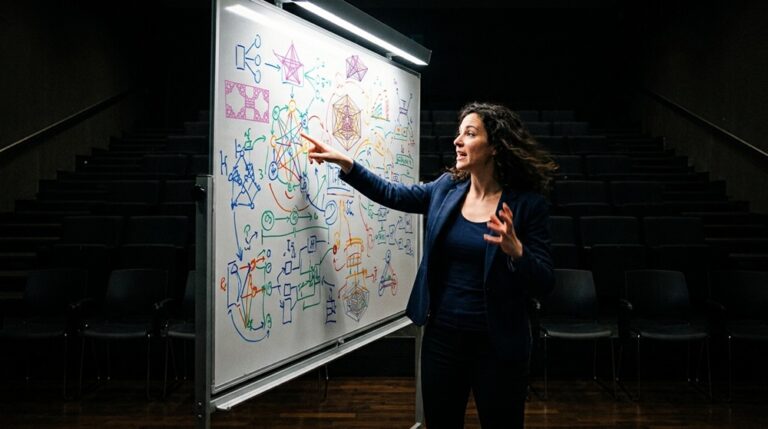
Among features that improve engagement, the interactive whiteboard stands out, with 78% of educators identifying it as most effective, while roughly a third of respondents believe increased AI use will be the most significant change in education by the end of 2026.
Where This Leaves Traditional Education
Online learning isn’t necessarily replacing traditional classrooms outright—it’s increasingly blending with them. Hybrid approaches that combine in-person interaction with flexible digital delivery are becoming the norm, letting institutions capture the accessibility of online formats while preserving the collaborative benefits of face-to-face learning.
Final Thoughts
Online learning has evolved from an emergency substitute into a legitimate, often preferred educational format, reshaped by AI personalization, immersive technology, and flexible, stackable credentials. As institutions and workplaces continue adapting to these tools, the line between “online” and “traditional” education will likely keep blurring, with flexibility and personalization becoming baseline expectations rather than added benefits.
Ready for the next topic whenever you are.