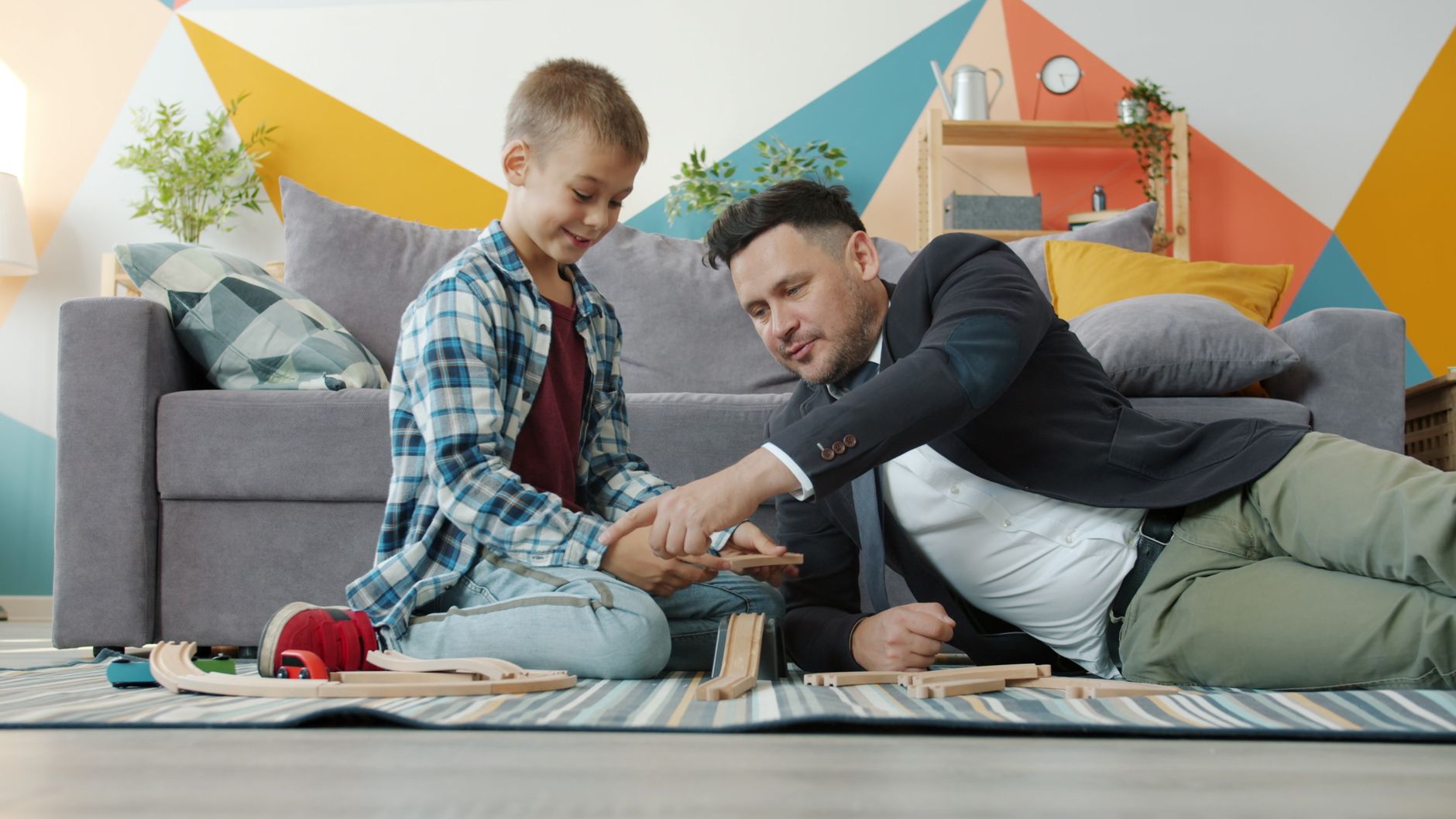
Parent training is a valuable way for caregivers to develop practical skills for handling everyday parenting challenges while creating a supportive and healthy environment for children. Parenting involves much more than providing food, clothing, education, and shelter. Children need guidance, boundaries, encouragement, communication, and dependable relationships as they grow. Parents, however, are not expected to automatically know how to respond to every situation. Learning effective strategies can make difficult moments easier to manage and can help families develop stronger patterns of communication and cooperation.
Parent training can cover many areas, including positive discipline, communication, emotional regulation, behavior management, routines, problem-solving, and age-appropriate expectations. The most useful programs generally focus on practical techniques that parents can apply in everyday situations rather than presenting parenting as a rigid set of rules. Every child and family is different, so successful parenting strategies often require flexibility and adaptation.
Understanding the Purpose of Parent Training
The primary purpose of parent training is to help caregivers understand children's needs and respond to challenging situations more effectively. Training can provide parents with structured approaches for encouraging positive behavior, setting reasonable boundaries, and communicating expectations clearly.
Children learn through repeated experiences and interactions with the adults around them. When parents respond consistently, children are more likely to understand what is expected of them. Consistency does not mean reacting identically in every situation. Instead, it means maintaining clear principles and predictable consequences while considering the child's age, circumstances, and individual needs.
Parent training can also help caregivers recognize that behavior often communicates an underlying need. A child who refuses to cooperate may be tired, overwhelmed, frustrated, confused, seeking attention, or struggling with a skill that has not yet developed. Understanding possible reasons behind behavior can make it easier to choose an appropriate response.
Building Strong Parent-Child Communication
Communication is one of the foundations of effective parenting. Children need opportunities to express their feelings, ask questions, and explain their experiences. Parents can support communication by listening carefully and avoiding unnecessary interruptions.
Simple language is often more effective than lengthy explanations, particularly with younger children. Clear instructions can help children understand exactly what is expected. Instead of giving several directions simultaneously, parents may find it easier to provide one instruction at a time.
Active listening is equally important. Parents can acknowledge what a child is saying even when they cannot agree with the child's request. Recognizing a feeling does not mean allowing every behavior. A parent can communicate understanding while maintaining an appropriate boundary.Respectful communication also provides a model for children. When adults speak calmly, listen, and solve disagreements constructively, children have an opportunity to observe and eventually practice those skills themselves.
Establishing Clear and Consistent Boundaries
Children benefit from knowing what behavior is acceptable and what limits apply. Boundaries provide structure and help children understand how their actions affect themselves and others.
Effective boundaries should be realistic for the child's developmental stage. Expectations that are too advanced may create repeated frustration, while expectations that are too vague may be difficult for children to understand.
Parents can explain rules in simple, specific language. Instead of relying on general statements such as "behave," it can be more helpful to describe the desired action clearly. For example, a child can be told to use gentle hands, speak respectfully, or put a particular item away after using it.
Consistency is important because unpredictable responses can make boundaries difficult for children to understand. When expectations change dramatically from one situation to another, children may become uncertain about which behavior is acceptable.
Positive Reinforcement and Encouragement
Parent training often emphasizes positive reinforcement because children tend to repeat behaviors that receive appropriate attention and encouragement. Recognizing desirable behavior can be more effective than focusing exclusively on mistakes.
Praise works best when it is specific. Rather than simply saying "good job," parents can describe what the child did well. This might involve acknowledging that the child shared with a sibling, completed a task, waited patiently, or followed an instruction.
Encouragement can also focus on effort rather than perfection. Children can learn that persistence and problem-solving are valuable even when the final result is not perfect.Positive reinforcement does not mean rewarding every action. It means intentionally noticing constructive behavior so that children understand which choices are appreciated and encouraged.
Teaching Children Emotional Regulation
Children are still developing the ability to understand and manage emotions. Strong feelings such as anger, disappointment, fear, jealousy, and frustration can sometimes lead to challenging behavior.
Parents can help by naming emotions and showing children that feelings themselves are not wrong. At the same time, children can learn that certain behaviors are not acceptable even when strong emotions are present.For example, a parent can acknowledge that a child is angry while explaining that hitting another person is not acceptable. This separates the feeling from the behavior and creates an opportunity to teach a more appropriate response.
Adults can also model emotional regulation. Children observe how parents handle stress, frustration, and disagreements. Demonstrating calm problem-solving can provide an important example of how difficult emotions can be managed.
Creating Predictable Daily Routines
Routines can make family life more organized and predictable. Regular patterns around waking, meals, school, homework, play, bathing, and bedtime can help children understand what comes next.
Predictability can be particularly useful during transitions. Children may struggle when moving suddenly from a preferred activity to a less enjoyable task. Providing advance notice can make transitions easier.
Visual schedules can also be helpful for younger children. Pictures or simple written steps can show the order of daily activities and reduce the need for repeated verbal reminders.Routines should remain flexible enough to accommodate unusual circumstances. The goal is not to create an inflexible schedule but to establish a dependable framework that helps children understand daily expectations.
Managing Challenging Behavior
All children display challenging behavior at times. Parent training can provide strategies for responding without allowing difficult moments to dominate family life.
The first step is often identifying the circumstances surrounding the behavior. Parents can consider what happened immediately before the behavior, what the child did, and what happened afterward. This can reveal patterns that might otherwise be overlooked.
For example, challenging behavior may occur repeatedly when a child is asked to stop playing and begin another activity. Understanding this pattern can help parents introduce transition warnings, choices, or other strategies.Responses should be proportionate and understandable. Children benefit from knowing what behavior is expected and what will happen when boundaries are not followed.
Using Consequences Effectively
Consequences can help children learn that actions have results, but they should be used thoughtfully. A consequence is most useful when it is related to the behavior and delivered consistently.
Natural consequences occur as a direct result of an action, while logical consequences are deliberately connected to the behavior. For example, a child who repeatedly misuses a particular item may temporarily lose access to it while learning how to use it appropriately.
Consequences should not be humiliating or excessively harsh. The objective is to teach and guide rather than simply punish.Parents should also avoid making threats they cannot realistically enforce. Clear expectations and dependable follow-through generally provide more useful guidance than increasingly severe warnings.
Supporting Independence
As children grow, they need opportunities to develop independence. Parent training can help caregivers determine when to step in and when to allow children to attempt tasks on their own.
Young children may need substantial assistance, while older children can gradually take responsibility for personal belongings, routines, homework, and household tasks.
Parents can support independence by breaking larger tasks into manageable steps. Instead of completing a task for a child immediately, a caregiver can provide guidance and allow the child to attempt the next step.Mistakes are also part of learning. Children who are given reasonable opportunities to solve problems can develop confidence, persistence, and practical skills.
Teaching Problem-Solving Skills
Problem-solving is an important life skill that children develop gradually. Parents can teach it by helping children identify a problem, consider possible solutions, choose an appropriate option, and evaluate the result.
When siblings disagree, for example, parents can guide them toward explaining what happened, identifying what each person needs, and considering possible compromises.
Parents do not have to solve every problem immediately. Asking questions such as "What do you think we could do?" can encourage children to think through situations independently.The appropriate level of assistance depends on the child's age and abilities. Younger children may need more direct guidance, while older children can participate more actively in resolving conflicts.
Supporting Positive Sibling Relationships
Sibling disagreements are common, but parents can establish expectations for respectful interaction. Children may need help learning how to share, take turns, negotiate, and communicate frustration.Parents should avoid assuming that every disagreement has a simple winner and loser. In many situations, the goal is to help children understand each other's perspectives and find a workable solution.
Individual attention can also be valuable. Children may behave competitively when they feel that parental attention is limited. Creating opportunities for one-on-one interaction can help each child feel recognized.Clear family rules regarding physical aggression, insults, and property can provide a consistent framework for resolving conflicts.
Developing Better Listening Skills
Parent training can benefit both parents and children by emphasizing listening. A child who feels heard may be more willing to cooperate and communicate openly.
Listening does not require agreeing with everything a child says. Parents can acknowledge a child's perspective while maintaining their own decision.Getting down to a child's eye level, reducing distractions, and allowing enough time for the child to speak can improve communication. Asking follow-up questions can also show genuine interest.
For older children, listening becomes particularly important as they encounter increasingly complex social, academic, and emotional experiences. Maintaining open communication can make it easier for them to seek guidance when problems arise.
Parent Self-Care and Emotional Awareness
Effective parenting also requires attention to the caregiver's own emotional state. Parenting can be demanding, and persistent stress may make it more difficult to respond patiently.
Parent training can encourage caregivers to recognize their own warning signs of frustration and develop appropriate strategies for stepping away briefly when circumstances allow.Taking a short pause, practicing controlled breathing, asking another trusted caregiver for assistance, or creating reasonable opportunities for rest can help parents manage stress.
Self-care is not about avoiding parental responsibilities. Instead, it can help caregivers maintain the emotional resources needed to respond thoughtfully to children.If a parent feels consistently overwhelmed or unable to cope, seeking appropriate professional or community support can be an important step.
Adapting Parenting Strategies to Different Ages
Parenting approaches should change as children develop. Strategies that work well for a toddler may be ineffective with a teenager.
Young children generally benefit from simple instructions, predictable routines, immediate feedback, and hands-on guidance. School-age children can increasingly understand explanations, participate in household responsibilities, and use problem-solving strategies.
Teenagers require greater independence while still benefiting from boundaries and parental involvement. Parents may need to shift from direct control toward collaborative discussions about expectations, responsibilities, decision-making, and consequences.Understanding developmental differences helps parents avoid expecting skills that a child has not yet developed.
Creating a Supportive Home Environment
The home environment can strongly influence children's behavior and emotional well-being. A supportive household provides predictable expectations while allowing children to feel safe expressing concerns and asking for help.
Family rules should be understandable and appropriate. Parents can also establish regular opportunities for conversation, shared activities, meals, or other forms of connection.
Small daily interactions can have significant value. Reading together, discussing the day, preparing meals, playing games, or simply listening can strengthen relationships without requiring elaborate activities.Children do not need perfect parents. They benefit from dependable adults who are willing to listen, set boundaries, acknowledge mistakes, and repair relationships after difficult interactions.
Choosing a Parent Training Program
Parents considering formal training should look for programs that use practical, evidence-informed approaches and provide opportunities to practice skills. A useful program should explain why particular strategies work rather than simply providing a list of rules.
Programs may be offered through community organizations, educational institutions, family services, or qualified professionals. The appropriate option depends on the family's goals and circumstances.
Parents may want to consider the program's format, schedule, instructor qualifications, age range, teaching methods, and whether the content addresses the specific challenges they are experiencing.A good program should also recognize that parenting is influenced by family circumstances, culture, developmental stage, and individual differences.
Applying Training Skills at Home
Learning parenting strategies is only the beginning. Skills become more useful when they are practiced consistently in everyday situations.
Parents can start with one or two specific goals rather than attempting to change everything simultaneously. For example, a caregiver might focus first on giving clearer instructions or establishing a more predictable bedtime routine.
Keeping track of what works can help identify effective strategies. Parents can consider which situations improved, what remained difficult, and whether adjustments are needed.Consistency between caregivers can also be helpful. When adults use significantly different expectations or responses, children may find the rules confusing. Discussing important household expectations can help create a more coordinated approach.
Common Parent Training Mistakes
One common mistake is expecting immediate results. Children may need time to adjust when parents introduce new expectations or routines. Consistent practice is often more useful than changing strategies every few days.
Another mistake is focusing exclusively on correcting negative behavior. Children also need attention and encouragement when they make positive choices.Parents may also use strategies that are inappropriate for a child's developmental level. Expectations should be realistic and adjusted as children grow.
Finally, parents should avoid comparing their family too closely with others. Children develop differently, and what works for one family may require modification for another.
The Long-Term Value of Parent Training
Parent training can provide benefits that extend beyond individual behavior problems. Communication skills, emotional regulation, problem-solving, responsibility, and respectful interaction are useful throughout childhood and adolescence.
Parents who develop greater confidence may also feel better prepared to respond when new challenges arise. As children grow, the specific issues change, but the underlying skills of communication, consistency, empathy, and boundary-setting remain valuable.
The goal is not to create a perfect family or eliminate every disagreement. Healthy family relationships involve mistakes, frustration, negotiation, and repair. Parent training can provide caregivers with practical tools for handling these experiences constructively.
Conclusion
Parent training provides caregivers with practical knowledge and strategies for navigating the many challenges of raising children. Effective parenting involves communication, clear boundaries, positive reinforcement, emotional support, predictable routines, appropriate consequences, and opportunities for children to develop independence.
The most effective approach is rarely based on one universal technique. Children have different personalities, developmental needs, and circumstances, so parents often need to adapt strategies while maintaining consistent expectations and respectful relationships.
Formal training can provide structured guidance, while everyday practice allows parents to turn new information into useful skills. By focusing on communication, consistency, encouragement, emotional awareness, and problem-solving, caregivers can create a supportive environment in which children have opportunities to learn, develop confidence, and build healthy relationships.
Parenting will always involve challenges, but parents do not have to approach those challenges without support or practical tools. Learning, practicing, adjusting, and seeking appropriate guidance when needed can make the parenting journey more manageable and help families build stronger connections over time.