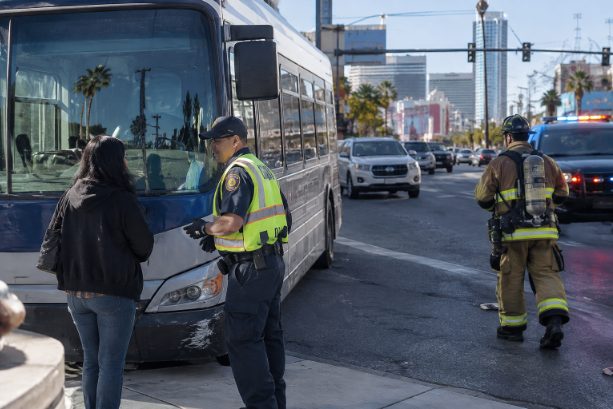
You have just experienced a car crash. Luckily, no one was injured and everyone is safe, but now there is another worry: will your car insurance rates go up? No matter if the accident was a minor fender bender or a serious collision, the headache of paying steeper premiums seems to be an additional burden to bear.
The positive aspect is that not all accidents will cause your insurance rates to go up. The rate at which your insurance rate increases depends on several Ontario car insurance rate factors, including whether it was your fault and many others, including your driving record and policy coverage. It is best to know these factors as you will be prepared for the coming renewal of your auto insurance policy.
Does Your Car Insurance Automatically Increase After an Accident?
No. An insurance provider in Ontario cannot immediately elevate your charges even when an accident occurs. Instead, it is the assessment made by your insurance company that makes the decision on whether or not you are assessed.
If the ruling states that you took no part in the fault of the accident, there will be no negative consequences associated with that accident. However, if you were found responsible for more than half of the accident, there is a possibility of your insurance charges being affected at the time of renewal.
For example, let’s say your vehicle is stationary at a stoplight, but a car from behind collides with yours. If you are deemed to have 0% blame for the accident, then you will not be penalized by your carrier.
Which Factors Can Affect Your Insurance Premium After a Crash?
Fault is important, but it is not the only consideration. Other Ontario car insurance rate factors can influence your insurance costs.
- Previous accidents: A history of at-fault collisions may result in higher premiums because insurers consider your claims and driving records.
- Driving violations: Speeding tickets and other convictions can affect how insurers assess your driving risk.
- Vehicle and location: The type of vehicle you drive and where you live can influence insurance pricing.
- Coverage and deductibles: Additional coverage generally costs more, while choosing a higher deductible may reduce your premium.
- Insurance company pricing: Insurers can change their rates with regulatory approval, affecting customers even without recent accidents.
According to the Financial Services Regulatory Authority of Ontario (FSRA), Ontario’s average annual private passenger auto insurance premium reached $2,218 in June 2026, compared with $2,120 in June 2025.
This increase reflects broader insurance costs, not necessarily accident-related premium changes. It shows why drivers should review their renewal statements before assuming a recent collision caused an increase.
When Might Your Insurance Rates Stay the Same?
Not every collision has the same financial consequences. Your level of responsibility, previous driving record, and policy protections can influence the outcome.
| Accident situation | Possible impact on premiums |
| Completely not at fault | No accident-related increase expected |
| 50% or more at fault | Premium may increase |
| Qualifying minor accident | Protected under Ontario’s minor-accident rules |
| Eligible accident with forgiveness coverage | May not affect your premium with that insurer |
| General insurer rate adjustment | Premium may increase without an accident |
Almost all provinces follow the concept of minor accidents that are not considered when it comes to determining the cost of a person’s insurance policy. Generally, the following are the conditions that need to be met: there should be no injuries, the insurance provider should not pay any amount for any damage caused to the property, and the total repair cost of the vehicle shouldn’t exceed $5,000 (to be paid by the person who caused the accident). Nevertheless, there are restrictions in case there is more than one such incident in a three-year period.
Accident forgiveness is not the same concept. This is an optional feature of the insurance policy that provides you with protection if your first accident is classified as at-fault. Speaking of your rights if you have been in a car accident, it wouldn’t be a bad idea to consult a Toronto motor vehicle accident lawyer.
What Should You Do If Your Insurance Premium Increases After a Crash?
If your renewal notice shows a higher premium, do not immediately assume the increase is unavoidable. Understanding the reasons can help you make informed decisions.
Here are some practical steps:
- Check what Fault Assessment was done: To challenge a decision made by your insurer as to which fault assessment was actually exercised.
- Confirm what the increase on your renewal was based on: Ensure you know if the increment was connected with the incident, your driving history, or simple changes in the pricing mechanism.
- Find out what the Accident Forgiveness policy covers: Look through your insurance contract to know if you are eligible for the accident protection.
- Get quotes: Check different quotes from several insurance providers as the prices may differ for the same insurance coverage.
- File a complaint: If you think an error took place, inform the insurance company’s complaint officer.
Reviewing these Ontario car insurance rate factors can help you better understand your premium and identify available options. You can also read the guide on accident benefits even if you’re at fault in Ontario to learn about the benefits you may be eligible to receive after a collision.
Understanding Your Insurance Options After an Ontario Crash
A vehicle collision can pose financial hardship, but higher insurance costs are not compulsory. Knowing fault assessments, available options, and your policies will contribute to smarter steps. The process of reviewing your policy may also help you steer clear of complications in the process of re-enrolling in it.
In the event you experience injuries in a road accident, VC Lawyers will help you become aware of your rights and options. The firm’s focus is to connect you with a professional lawyer who will take full charge of your case.
Insurance problems don’t necessarily end with the settlement of claims; you may have further questions regarding coverage and insurance premiums. Below are some of the most frequently asked questions concerning insurance problems drivers come across in Ontario.
Frequently Asked Questions
1. How Long Does an At-Fault Accident Remain on Your Insurance Record in Ontario?
Most insurance companies in Ontario take into account accidents that occurred during the previous six years. Some may also consider older accidents depending on their guidelines.
2. Will My Insurance Price Be Affected by My Car’s Driver?
Yes, as the owner, your insurance price is likely to increase in case your driver causes damage. However, many factors might influence this.
3. Can You Change Insurance Companies After Being at Fault in Your Accident?
Yes, you may change your insurance company after your accident. The previous accident that made you liable for damages might be taken into account by the new insurance company when calculating your premium.