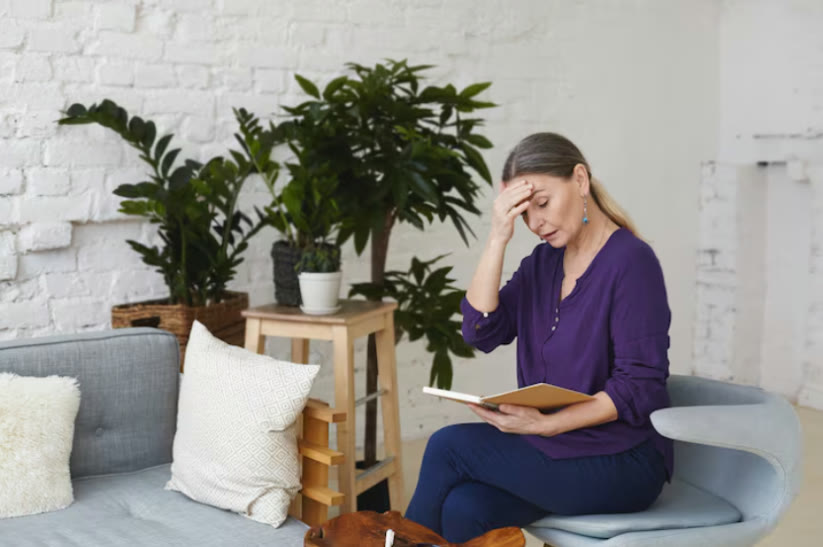
When anxiety strikes, it can feel like a loud alarm ringing inside your head with no off switch. Racing thoughts, a tight chest, and restless energy can quickly derail your focus and drain your day.
The good news? Calming an overwhelmed nervous system does not require complicated routines or endless hours of free time.
Just a few simple, everyday habits can interrupt the stress loop and guide you back into a steady, peaceful rhythm. Here are five practical steps toward anxiety relief that you can start practicing right now.
1. Practice Slow Breathing and Grounding
The moment your brain senses overwhelm, your breathing becomes shallow and rapid, fueling physical panic. Remember, intentionally slowing your breath sends an immediate signal to your nervous system that you’re safe.
Practice inhaling deeply through your nose for 4 seconds, pausing briefly, then exhaling slowly through your mouth for 6 seconds. When you pair slow breaths with pressing your feet firmly into the floor, this will anchor your body and quiet spiraling thoughts within minutes.
2. Spend Time in Nature
Step away from glowing screens and immerse yourself in natural surroundings; the best way to lower cortisol levels. Whatever you like—walking through a quiet park or tending a small backyard garden—connecting with living plants can pull your focus away from anxious mental loops. If you live in a neighborhood with gardens, cultivate plants using high-quality weed seeds from a reliable source. You can also plant fruits and vegetables while enjoying the mindful, patient routine of watering, pruning, and watching steady growth unfold each day.
3. Build a Healthy and Balanced Food Intake
What you put on your plate directly impacts your mood, energy, and stress resilience. Never skip meals or rely heavily on caffeine and refined sugar. Otherwise, they would trigger sharp blood-sugar spikes and crashes that mimic and worsen anxiety symptoms. Always prioritize nutrient-dense, balanced meals rich in whole grains, lean proteins, healthy fats, and leafy greens to keep your brain nourished and your mood steady all day.
4. Get More Physically Active
Physical movement acts as a natural pressure valve for pent-up nervous energy. It doesn’t mean that you need an intense gym workout to feel the difference. Remember, less is always more. A brisk 20-minute walk, gentle yoga, or stretching in your living room—if you engage in them—can release endorphins and burn off excess stress hormones. The more physically active you keep yourself, the calmer and clearer-headed you will remain.
5. Implement the 5-4-3-2-1 Coping Technique
When sudden panic hits, the 5-4-3-2-1 grounding technique is worth practicing. Is it the first time you’ve heard about this grounding technique? It requires you to use the five senses to snap back to reality. Name 5 things you can see, 4 things you can physically feel, 4 things you can hear, 3 things you can smell, and 1 thing you can taste. This quick sensory reset can pull your mind out of future worries and into the safety of the present moment.
Conclusion
Lasting relief from anxiety rarely comes from one giant leap; it grows from small, intentional choices practiced consistently. Whether you pause for a deep breath, move your body, or nurture a peaceful home garden with genetics from Humboldt Seed Company, every mindful habit counts. Pick one step to try, be patient with yourself, and reclaim your peace of mind.