Imagine a contractor arriving at a customer’s home to install kitchen cabinets, repair a wooden fence, or assemble an outdoor storage shed. The job requires drilling, fastening, cutting, and making several adjustments. However, the nearest electrical outlet is on the opposite side of the property. Running extension cords across walkways or moving equipment repeatedly can slow the work and create unnecessary safety concerns.
This is one reason cordless power tools have become increasingly important in mobile repair work and on-site installation projects. Improvements in battery technology, motor efficiency, and tool design have made portable equipment practical for many jobs that once depended heavily on corded tools.
For homeowners, DIY enthusiasts, and professional tradespeople, cordless equipment offers greater flexibility when working in garages, driveways, gardens, construction sites, and occupied residential properties.
What Are Cordless Power Tools?
Cordless power tools are portable tools powered by rechargeable batteries rather than direct electrical connections. They include drills, impact drivers, circular saws, grinders, oscillating multi-tools, and other equipment used for installation, maintenance, and repair work.
Modern cordless tools combine rechargeable lithium-ion batteries with efficient electric motors to provide mobility, convenience, and useful working power without requiring a nearby outlet.
Why Cordless Tools Are Becoming More Important for Mobile Work
Mobile repair professionals rarely work in perfectly equipped environments. They may need to repair a gate in a backyard, install shelving in a finished basement, or replace hardware in a commercial building.
In these situations, access to electricity can be limited or inconvenient.
Cordless power tools address several practical challenges:
- Greater mobility: Workers can move between rooms, buildings, and outdoor locations without managing long extension cords.
- Faster setup: Battery-powered equipment reduces the time spent locating outlets and arranging electrical connections.
- Improved accessibility: Tools can reach rooftops, crawl spaces, remote sheds, and other areas where electrical access is limited.
- Reduced trip hazards: Fewer trailing cords make busy work areas easier to navigate.
- Flexible scheduling: Workers can complete smaller repairs without setting up temporary electrical supplies.
These benefits are particularly useful for service technicians who visit several properties in one day.
How Battery Technology Has Changed Portable Equipment
Battery performance is one of the main reasons cordless tools have become more capable.
Lithium-Ion Batteries and Longer Runtime
Lithium-ion batteries are widely used because they offer a favorable balance of energy capacity, weight, and rechargeability.
Battery capacity is generally measured in amp-hours (Ah), while voltage indicates the electrical potential of the battery system. Neither figure alone determines how long a tool will operate.
For example, a 2.0Ah battery may be suitable for occasional drilling and light fastening, while a 5.0Ah battery may be more practical for extended cutting or demanding installation work.
Actual runtime depends on the material, workload, tool efficiency, battery condition, and operating technique.
Brushless Motors and Better Efficiency
Many modern cordless tools use brushless motors.
Unlike traditional brushed motors, brushless designs use electronic controls instead of physical brushes to manage motor operation. This can reduce mechanical wear and improve efficiency.
For mobile workers, the practical benefits may include longer runtime, less maintenance, and better power delivery under demanding conditions.
However, a brushless motor does not automatically make every tool the right choice. Buyers should also consider torque, speed settings, weight, and intended applications.
Choosing the Right Cordless Equipment for Different Jobs
A useful cordless toolkit should reflect the work being performed rather than simply include the largest available collection of tools.
For homeowners comparing battery-powered equipment, reviewing available greenworks power tools can help with understanding product availability and cordless equipment options. Before purchasing, compare battery compatibility, replacement costs, specifications, warranty coverage, and whether the tool is designed for the intended task.
Different tools serve different purposes.
Drills and Impact Drivers
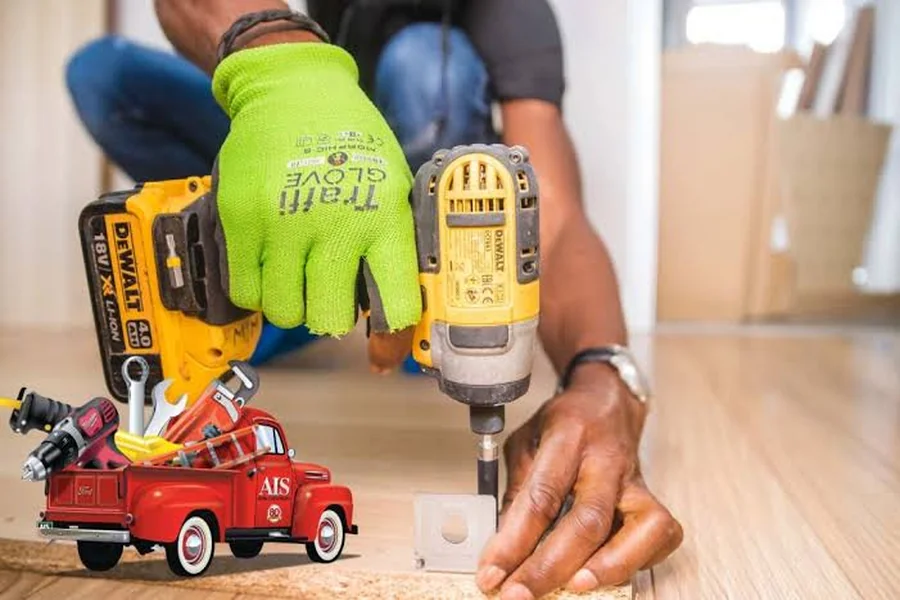
Cordless drills are useful for making holes in wood, metal, and other compatible materials. Impact drivers are designed primarily for driving screws and fasteners.
For cabinet installation, furniture assembly, and general household repairs, these two tools cover many everyday requirements.
Circular Saws and Oscillating Multi-Tools
Cordless circular saws are useful for cutting lumber, plywood, and other approved materials. They are particularly helpful during deck repairs, fencing projects, and shed construction.
Oscillating multi-tools are better suited to detail work, such as trimming door casings, cutting openings, and removing old sealant.
Grinders and Specialty Equipment
Cordless grinders can handle suitable cutting, grinding, and surface-preparation tasks when fitted with the correct accessories.
Mobile technicians may also benefit from cordless work lights, compact vacuum cleaners, and portable inflators.
Cordless Versus Corded Power Tools
Both equipment types have a place in repair and installation work. The right option depends on the job’s duration, location, and power requirements.
| Factor | Cordless tools | Corded tools |
| Mobility | Excellent portability | Limited by cable length |
| Power access | Requires charged batteries | Requires electrical outlet |
| Runtime | Limited by battery capacity | Continuous while powered |
| Setup | Generally quick | May require cable arrangement |
| Maintenance | Battery and tool care | Cable and tool care |
| Best applications | Mobile repairs and remote installations | Extended stationary work |
| Long-term costs | Battery replacements may add expense | Usually no battery replacement costs |
For occasional home repairs, cordless tools often provide greater convenience. For prolonged cutting or heavy-duty stationary applications, corded equipment may still be the more practical option.
Real-World Applications Across Residential and Outdoor Projects
The growing use of cordless equipment extends beyond professional construction sites.
Home Repairs and Interior Installations
Consider a homeowner installing shelves in a spare bedroom. A cordless drill, impact driver, and compact work light can handle most of the preparation and fastening without running cables through the house.
For larger projects, such as installing kitchen cabinets, having spare batteries available prevents unnecessary interruptions.
Garden Structures and Outdoor Maintenance
Cordless tools are particularly useful for building raised garden beds, repairing wooden fences, and assembling storage sheds.
A homeowner maintaining a small yard may only need a drill and compact saw for occasional repairs. Someone with a larger property may benefit from a broader collection of cordless equipment.
Seasonal work also influences tool selection. Spring often involves repairing garden structures and preparing outdoor spaces, while fall may bring fence maintenance and shed repairs before colder weather arrives.
Mobile Repair and Installation Services
Professional technicians working across multiple customer locations benefit from standardized battery platforms.
A technician using compatible batteries across drills, lights, saws, and other equipment can reduce the number of chargers and battery types carried in a service vehicle.
This makes equipment organization easier and can reduce downtime between appointments.
Best Practices & Pro Tips
Getting dependable performance from cordless tools requires more than purchasing a powerful battery.
- Carry a spare battery: Keep a charged backup available for longer jobs.
- Use the correct battery capacity: Smaller batteries reduce weight, while higher-capacity options are useful for demanding applications.
- Keep batteries at suitable temperatures: Avoid leaving lithium-ion batteries inside hot vehicles or exposed to freezing conditions.
- Inspect tools before use: Check housings, switches, blades, bits, and battery connections for damage.
- Use appropriate accessories: Select drill bits, cutting blades, and attachments designed for the material and tool.
- Organize your equipment: Store batteries, chargers, and accessories in labeled cases to simplify mobile work.
- Avoid overloading tools: Let the equipment operate at its intended speed instead of forcing it through resistant materials.
- Follow electrical safety practices: Check for concealed wiring and plumbing before drilling into walls.
- Wear suitable protective equipment: Safety glasses, hearing protection, gloves where appropriate, and dust protection should match the task.
OSHA provides useful hand and power tool safety guidance covering equipment inspection, guarding, and safe operating practices.
How to Build a Practical Cordless Tool Kit
A good starting kit for general household repairs includes a cordless drill, impact driver, two batteries, a compatible charger, and a basic accessory set.
Homeowners who regularly work on outdoor projects can add a circular saw, oscillating multi-tool, and portable work light.
Professional mobile technicians may need additional batteries, specialty tools, organized storage, and backup charging arrangements.
Before investing in an entire battery platform, check whether the manufacturer offers the tools you expect to need later. Battery compatibility can simplify equipment ownership, but it is important to confirm that batteries are compatible with the specific tool models being considered.
Long-Term Advice for Getting the Most From Cordless Tools
Cordless power tools are becoming a practical part of residential repairs, mobile maintenance, and on-site installation because they reduce dependence on fixed electrical supplies.
However, the best results come from matching equipment to the workload. A homeowner completing occasional garden repairs does not need the same setup as a contractor installing cabinets every day.
Start with versatile tools, invest in compatible batteries, and expand the collection only when new requirements arise. Maintain batteries properly, inspect equipment regularly, and replace worn accessories before they affect performance.
With sensible purchasing decisions and routine care, a well-planned cordless toolkit can support years of home improvement, outdoor maintenance, and mobile repair work.