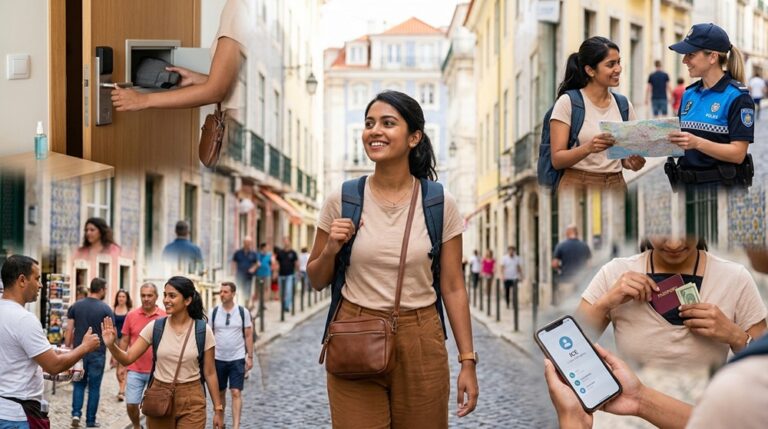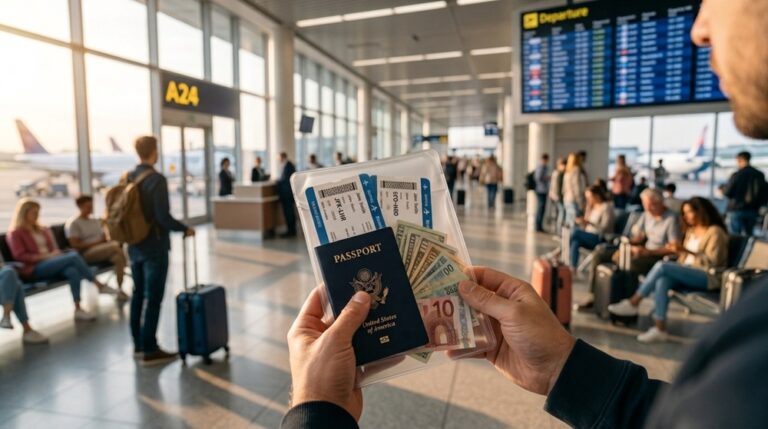


Traveling on a budget doesn’t mean sacrificing quality experiences—it means being strategic about where your money goes. These are practical, proven tips that actually reduce costs without cutting corners on the trip itself.
Booking Flights Smart
Use Flexible Date Searches
Flight prices can vary significantly by just a day or two. Using flexible date search tools helps identify the cheapest days to fly without committing to a fixed schedule.
Book at the Right Time
Domestic flights are often cheapest 1–3 months in advance, while international flights typically offer better deals 2–6 months ahead. Booking too early or too late usually costs more.
Fly Mid-Week
Tuesdays and Wednesdays tend to have lower fares than weekend flights, since fewer leisure travelers book midweek departures.
Consider Nearby Airports
Checking flights from alternate nearby airports, even if it means a longer drive, can sometimes reveal significantly cheaper fares.
Smart Accommodation Choices
Look Beyond Hotels
Hostels, guesthouses, vacation rentals, and home-sharing platforms often cost significantly less than hotels while offering kitchens that reduce food expenses.
Book Longer Stays for Discounts
Many rental platforms offer weekly or monthly discounts, making longer stays more cost-effective per night than short bookings.
Consider Off-Peak Travel
Traveling during shoulder or off-season periods often means lower accommodation prices and fewer crowds, without sacrificing good weather in many destinations.
Eating Without Overspending
Eat Where Locals Eat
Restaurants near major tourist attractions tend to charge more. Walking a few blocks away often reveals better food at lower prices.
Grocery Shop for Some Meals
Staying somewhere with a kitchen and buying groceries for breakfast or lunch can significantly cut daily food costs compared to eating out for every meal.
Take Advantage of Lunch Specials
Many restaurants offer discounted lunch menus featuring the same dishes served at dinner for a fraction of the price.
Getting Around for Less
Use Public Transportation
Buses, trains, and metros are almost always cheaper than taxis or rideshares, and many cities offer multi-day transit passes for additional savings.
Walk When Possible
Walking not only saves money but often leads to unexpected discoveries that a taxi ride would skip entirely.
Book Transportation in Advance
Trains and long-distance buses are often significantly cheaper when booked ahead rather than purchased last minute.
Free and Low-Cost Activities
Research Free Attractions
Many cities offer free museums, walking tours, parks, and cultural sites. A little research before arrival reveals plenty of no-cost experiences.
Look for City Tourism Cards
Bundled attraction passes can offer meaningful discounts if you plan to visit multiple paid sites, though it’s worth calculating whether it’s actually cheaper for your specific itinerary.
Smart Money Habits While Traveling
Avoid Foreign Transaction Fees
Using a credit card with no foreign transaction fees, or withdrawing cash from ATMs affiliated with your bank’s network, helps avoid unnecessary charges.
Set a Daily Budget
Having a rough daily spending target helps prevent overspending early in the trip and running short later on.
Track Expenses As You Go
Using a simple app or notes to track spending in real time makes it easier to adjust before small overspends add up.
Timing Your Trip Strategically
Avoid Peak Season and Major Holidays
Prices for flights, accommodations, and even activities spike significantly during peak travel periods and holidays. Shifting travel dates by even a few weeks can lead to meaningful savings.
Final Thoughts
Budget travel isn’t about avoiding good experiences—it’s about spending strategically on what matters most. By booking smart, choosing budget-friendly accommodations, eating like a local, and using public transportation, travelers can stretch their money significantly further without compromising the quality of their trip.