
Even simple recipes can fall flat because of small, easy-to-overlook mistakes. Understanding what actually affects flavor and texture in the kitchen can turn average home cooking into consistently better meals, often without changing the recipe at all.
Seasoning Mistakes
Under-Seasoning Throughout Cooking
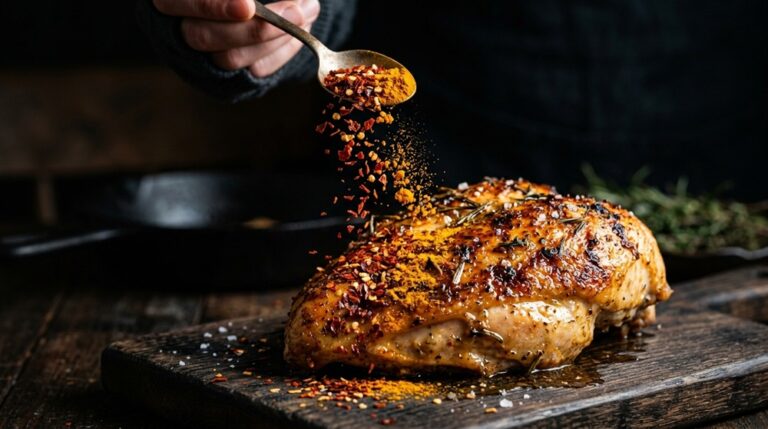
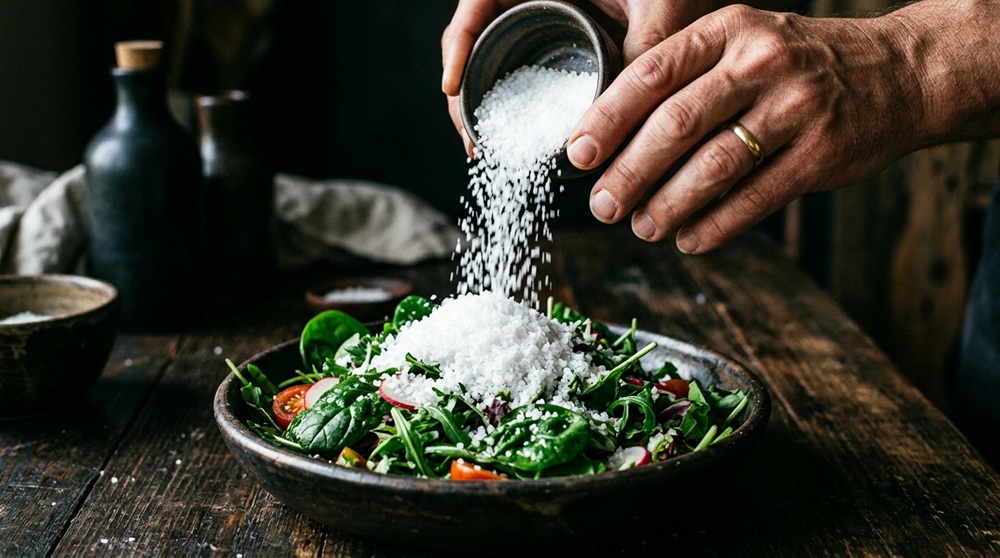
Adding salt only at the end, rather than seasoning in layers throughout cooking, often results in food that tastes flat, since salt added early helps ingredients absorb flavor more evenly.
Not Tasting as You Go
Skipping regular taste tests during cooking makes it easy to miss imbalances in seasoning until the dish is already finished, when adjustments are harder to correct.
Using Old Spices
Dried spices lose potency over time. Spices sitting in the cabinet for years often contribute far less flavor than expected, leading cooks to over-rely on salt to compensate.
Heat Management Mistakes
Cooking on the Wrong Heat Level
Cooking meat or vegetables on heat that’s too high often leads to burnt exteriors and undercooked interiors, while heat that’s too low can result in steaming instead of proper browning.
Not Preheating the Pan
Adding food to a cold or insufficiently heated pan prevents proper searing, often resulting in food that sticks and lacks the browning that develops deeper flavor.
Overcrowding the Pan
Too much food in the pan at once traps steam and moisture, preventing proper browning and leading to soggy, unevenly cooked results instead of a good sear.
Protein Mistakes
Not Letting Meat Rest
Cutting into meat immediately after cooking allows juices to escape, resulting in a drier final product. Letting meat rest for several minutes allows juices to redistribute.
Cooking Meat Straight From the Fridge
Cold meat placed directly into a hot pan cooks unevenly, often leaving the center underdone by the time the exterior is fully cooked. Letting meat come closer to room temperature first promotes more even cooking.
Over- or Under-Cooking Proteins
Relying on guesswork rather than a meat thermometer often leads to overcooked, dry proteins or undercooked, unsafe ones, especially with poultry and thicker cuts.
Vegetable Mistakes
Overcooking Vegetables
Cooking vegetables too long breaks down their texture and dulls both color and nutritional value, especially with methods like boiling.
Cutting Vegetables Unevenly
Inconsistent vegetable sizes cause uneven cooking, leaving some pieces undercooked while others turn mushy or burnt in the same batch.
Baking-Specific Mistakes
Not Measuring Ingredients Accurately
Baking relies on precise ratios, and inconsistent measuring—especially of flour—can lead to dense, dry, or overly tough baked goods.
Opening the Oven Too Often
Frequently opening the oven door releases heat and can cause baked goods, especially cakes, to sink or bake unevenly.
Using the Wrong Oven Temperature
Ovens often run hotter or cooler than their displayed setting. Not accounting for this discrepancy can result in undercooked or overcooked baked goods, even when following a recipe exactly.
Sauce and Liquid Mistakes
Adding Cold Ingredients to Hot Sauces
Introducing cold dairy or liquid into a hot sauce can cause it to separate or curdle, leading to an unpleasant texture.
Not Reducing Sauces Properly
Rushing a sauce that needs time to reduce results in thin, underdeveloped flavor rather than the concentrated taste proper reduction provides.
General Technique Mistakes
Skipping the Recipe Read-Through
Jumping into cooking without reading the full recipe first often leads to missed steps, poor timing, or realizing a needed ingredient is missing halfway through.
Using Dull Knives
A dull knife requires more force and often results in uneven cuts, which can affect both cooking consistency and presentation.
Not Adjusting for Ingredient Substitutions
Swapping ingredients without understanding how they behave differently in a recipe can throw off texture, moisture, or flavor balance unexpectedly.
Final Thoughts
Great cooking often comes down to small, consistent habits rather than complicated techniques. By paying closer attention to seasoning, heat control, and ingredient handling, home cooks can meaningfully improve flavor and texture—turning good recipes into consistently great meals.