

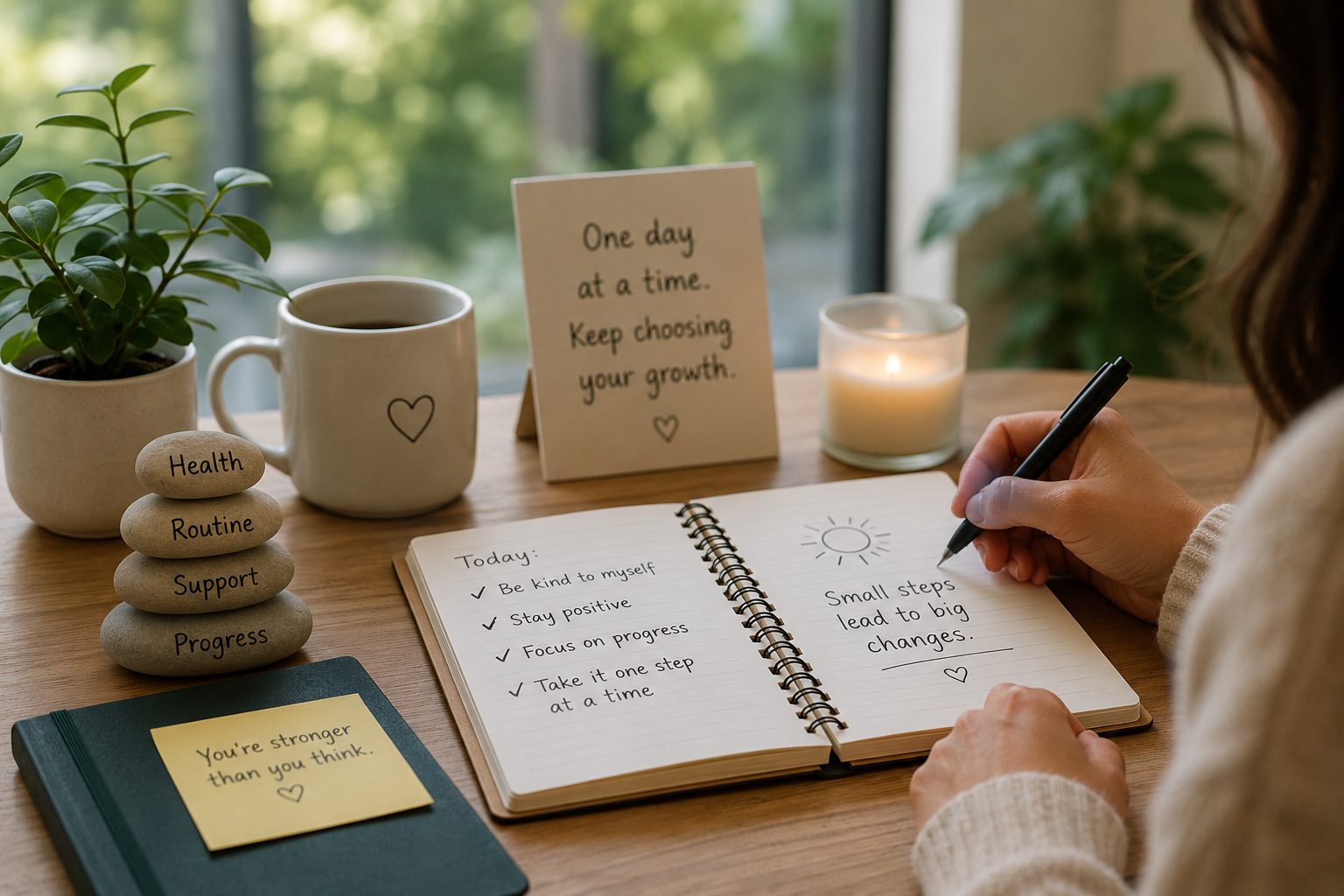
Recovery is often described as a journey rather than a destination, and for good reason. It’s not about reaching a point where challenges disappear forever. Instead, it’s about learning how to navigate life with healthier habits, stronger coping skills, and a renewed sense of purpose.
Progress during recovery doesn't always look dramatic. Some days, it means celebrating major milestones. Other days, it simply means choosing healthy routines over old habits. Both matter. The small decisions made consistently over time often have the greatest impact on long-term well-being.
Whether someone is just beginning recovery or has been working toward a healthier life for years, maintaining progress requires patience, flexibility, and ongoing self-awareness. Here are several practical strategies that can help support lasting growth.
Focus on One Day at a Time
Thinking too far ahead can sometimes feel overwhelming. Worrying about months or years into the future may create unnecessary pressure and anxiety. Instead, many people find it more helpful to focus on what they can control today.
Simple daily goals can make recovery feel more manageable:
- Wake up at a consistent time.
- Eat balanced meals.
- Stay hydrated.
- Complete one meaningful task.
- Reach out to someone supportive.
Small victories build confidence. As these positive actions become habits, they create a stronger foundation for long-term recovery.
Create a Consistent Daily Routine
Structure provides stability, especially during times of change. A predictable schedule reduces idle time and helps eliminate situations that may trigger unhealthy behaviors.
A balanced routine doesn't have to be rigid. It simply creates rhythm throughout the day.
Include time for:
- Physical activity
- Healthy meals
- Work or personal responsibilities
- Relaxation
- Quality sleep
- Hobbies or creative activities
Consistency helps replace uncertainty with purpose.
Build Healthy Coping Skills
Stress is unavoidable. Recovery isn't about avoiding every difficult situation but learning healthier ways to respond when challenges arise.
Helpful coping strategies may include:
- Deep breathing exercises
- Journaling thoughts and emotions
- Walking outdoors
- Listening to calming music
- Meditation or mindfulness
- Reading or creative hobbies
Over time, these healthier responses become easier to rely on than old habits.
Many individuals also benefit from counseling for addiction, where they can develop personalized coping techniques that fit their unique experiences and goals.
Stay Connected With Positive People
Recovery becomes much harder when someone feels isolated.
Healthy relationships provide encouragement, accountability, and emotional support during difficult moments. Friends, family members, mentors, or recovery peers can all play valuable roles in maintaining motivation.
Surrounding yourself with people who respect your goals creates an environment where positive choices become easier to maintain.
Meaningful conversations can also remind you that setbacks don't define your progress.
Recognize Your Personal Triggers
Everyone has situations that challenge their recovery.
Triggers may include:
- Stress at work
- Financial pressure
- Certain social environments
- Loneliness
- Relationship conflicts
- Lack of sleep
Recognizing these patterns allows people to prepare before challenges become overwhelming.
Keeping a journal can help identify recurring situations that influence emotions or behaviors. Awareness is often the first step toward making healthier decisions.
When triggers become difficult to manage alone, counseling for addiction can provide practical guidance for developing effective response strategies.
Celebrate Small Wins
Many people overlook their progress because they focus only on major milestones.
Recovery is built on countless small successes:
- Saying no to unhealthy influences.
- Completing a difficult week.
- Asking for help.
- Keeping appointments.
- Managing stress in healthier ways.
- Rebuilding trust with loved ones.
Every positive decision deserves recognition.
Celebrating progress reinforces motivation and reminds people how far they've already come.
Prioritize Physical Health
Mental and physical health are closely connected.
Simple wellness habits often improve emotional resilience, including:
- Regular exercise
- Nutritious meals
- Drinking enough water
- Getting quality sleep
- Routine medical checkups
Physical activity, in particular, supports mood regulation by encouraging the release of natural chemicals associated with emotional well-being.
Taking care of the body strengthens the mind as well.
Practice Self-Compassion
Recovery isn't perfect.
Everyone experiences setbacks, difficult emotions, and moments of self-doubt. Rather than viewing mistakes as failures, it helps to see them as opportunities to learn.
Negative self-talk often creates unnecessary shame.
Instead of thinking:
"I've ruined everything."
Try replacing it with:
"I'm learning, and tomorrow is another opportunity to make healthy choices."
Being kind to yourself makes it easier to stay committed during difficult seasons.
Continue Learning About Recovery
Recovery is an ongoing process of personal growth.
Reading books, listening to educational podcasts, attending workshops, or participating in support groups can introduce new perspectives and practical tools.
Learning helps people understand why certain behaviors develop and how healthier habits can replace them over time.
Many individuals also discover that counseling for addiction complements personal learning by offering individualized guidance based on their unique circumstances.
Develop Meaningful Goals
Having something positive to work toward creates motivation beyond simply avoiding unhealthy behaviors.
Goals don't have to be life-changing.
Examples include:
- Learning a new skill
- Saving money
- Improving physical fitness
- Strengthening family relationships
- Returning to school
- Volunteering in the community
Meaningful goals shift attention toward building a fulfilling future rather than dwelling on the past.
Know When to Ask for Support
Independence is valuable, but recovery doesn't have to be a solo journey.
There may be periods when stress, grief, or unexpected life changes make progress feel more difficult.
Reaching out for support during those times demonstrates strength, not weakness.
Trusted friends, family members, mentors, and qualified professionals can provide encouragement and perspective when challenges become overwhelming.
For many people, counseling for addiction remains an important resource throughout recovery, helping them navigate new obstacles while continuing to build confidence and resilience.
Final Thoughts
Maintaining progress during recovery isn't about achieving perfection. It's about consistently making choices that support long-term well-being, even when life becomes challenging.
Healthy routines, supportive relationships, realistic goals, and effective coping strategies all contribute to lasting growth. While setbacks may happen, they don't erase the progress that's already been made.
Recovery is built one decision at a time. Every positive choice—no matter how small—moves a person closer to a healthier, more balanced future. With patience, persistence, and the willingness to seek support when needed, long-term progress is not only possible but sustainable.









2 thoughts on “Simple Strategies for Maintaining Progress During Recovery”
Comments are closed.