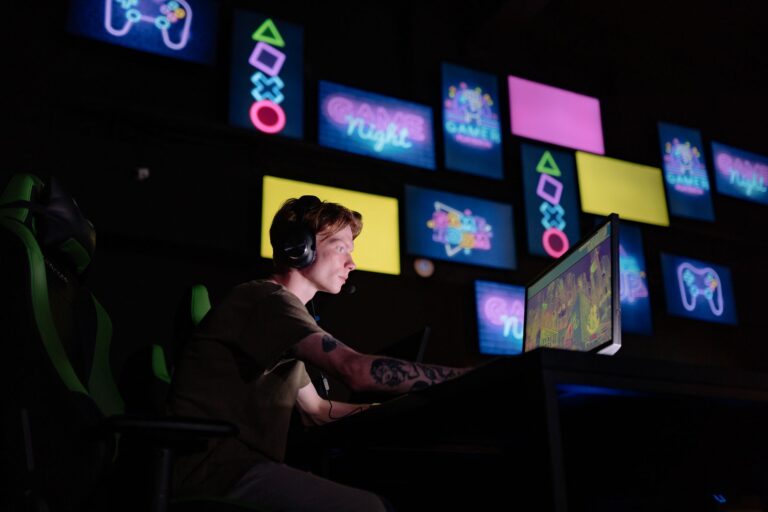
Online gaming has changed significantly over the past few years. Players are no longer satisfied with simply completing levels, collecting points, or competing against computer-controlled opponents. They want experiences that allow them to participate, make decisions, communicate with others, and influence how a game develops. This growing interest is driving the demand for more interactive online games across different platforms and gaming communities.
As technology continues to improve, developers are finding new ways to make digital entertainment more engaging. From multiplayer challenges and live events to personalized gameplay and real-time communication, modern games are becoming more dynamic. Players now expect entertainment that responds to their actions rather than offering the same experience every time.
Why Players Want More Interactive Gaming Experiences
One of the biggest reasons behind the popularity of interactive online PG SLOT CEO games is the desire for greater involvement. Traditional games often follow predictable patterns, where players complete predefined tasks to reach specific goals. Although this format still attracts audiences, many gamers now prefer experiences that offer more freedom and variety.
Interactive features make players feel like an important part of the experience. Their decisions can influence gameplay, unlock different opportunities, or change the direction of a particular challenge. This sense of involvement creates excitement and encourages people to spend more time playing.
Another important factor is entertainment variety. Players enjoy trying different challenges, exploring new environments, and competing with others. Games that regularly introduce fresh activities can maintain interest more effectively than those that rely on repetitive gameplay.
Technology Is Making Online Games More Engaging
Technological improvements are playing an important role in the development of modern gaming platforms. Faster internet connections, improved graphics, cloud technology, and powerful mobile devices have made interactive experiences more accessible.
Multiplayer technology, for example, allows people from different locations to participate in the same gaming environment. Players can compete against friends, join international communities, or work together to complete difficult challenges. These features make gaming feel more connected and less isolated.
Artificial intelligence is also changing how developers design games. AI-powered characters can respond more naturally to player actions, while adaptive systems can adjust challenges according to individual performance. As these technologies become more advanced, online games are likely to offer increasingly personalized experiences.
Social Features Are Changing Player Expectations
Gaming is no longer just an individual activity. For many people, it has become a way to communicate, build friendships, and participate in online communities. This shift has encouraged developers to introduce more social features into their platforms.
Live chat, team competitions, multiplayer missions, leaderboards, and community events help players interact with one another. These features create a stronger connection between gaming and social entertainment.
Live gaming events are another growing attraction. They allow players to participate in limited-time challenges, seasonal competitions, and special activities. Because these events often involve shared experiences, they can create excitement and encourage players to return.
Social interaction also gives online games a sense of community. Players who enjoy communicating with others are more likely to remain interested in platforms that provide opportunities for teamwork and friendly competition.
Mobile Gaming Is Expanding Interactive Opportunities
The increasing use of smartphones has made online gaming available to a much wider audience. Players can now access different types of games without needing expensive computers or dedicated gaming consoles.
Mobile platforms have also encouraged developers to create simpler controls and shorter gameplay sessions. Touchscreen technology, instant notifications, and improved mobile connectivity make it easier for users to participate whenever they have free time.
Many modern mobile games include multiplayer modes, real-time competitions, interactive rewards, and social features. These additions help create engaging experiences while allowing players to enjoy entertainment on their own schedules.
Accessibility is particularly important because gaming audiences have different preferences and levels of experience. Platforms that offer convenient navigation, responsive controls, and smooth performance can attract both casual players and experienced gamers.
What the Future Holds for Interactive Online Games
The future of online gaming will likely focus on deeper participation, personalization, and stronger social connections. Developers are already experimenting with technologies such as virtual reality, augmented reality, and advanced artificial intelligence to create more immersive digital environments.
Virtual reality could allow players to interact with gaming environments in more realistic ways. Meanwhile, augmented reality may combine digital entertainment with elements of the physical world. These developments could introduce new possibilities for interactive gameplay.
However, technology alone will not determine the success of future gaming platforms. Players will continue to value fair gameplay, reliable performance, data security, and accessible design. Developers must balance innovation with practical features that improve the overall experience.
Final Thought
The growing demand for more interactive online games reflects how player expectations are changing. People want more than basic entertainment; they want meaningful participation, social connections, and experiences that keep them interested. Advances in technology, mobile accessibility, and multiplayer features are helping developers meet these expectations.
As the gaming industry continues to evolve, platforms that prioritize engagement, creativity, and user experience will have better opportunities to attract and retain audiences. Interactive gaming is not simply a passing trend but an important part of how digital entertainment is developing.