


A property can have attractive interiors, efficient lighting, and modern appliances, yet still feel outdated if its digital infrastructure cannot keep up with everyday demands. Connectivity now supports everything from communication and entertainment to access control, monitoring, automation, and business operations. As more systems become connected, reliable networking is becoming part of the basic infrastructure of a well-functioning property.
That shift has made structured planning more important. Network Cabling Inc. illustrates how high-capacity network infrastructure can support faster data movement and more demanding technology. Whether a property is being built, renovated, or simply upgraded over time, thinking about connectivity early can prevent frustrating limitations later.
A Strong Network Is the Foundation
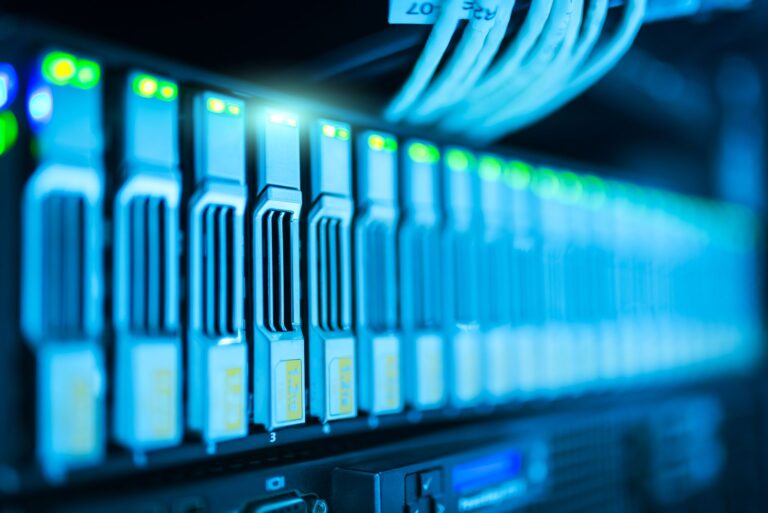
Smart technology only works as well as the network supporting it. Cameras, access systems, sensors, communication tools, cloud-based platforms, and connected equipment all generate data that must move quickly and reliably. When the underlying network is slow or inconsistent, even high-quality devices may struggle to perform as expected.
A well-designed network also provides room for future growth. Technology needs rarely stay the same for long. A property that currently uses a modest number of connected devices may eventually add additional cameras, automation features, digital displays, wireless access points, or other equipment. Building sufficient capacity into the infrastructure can make those additions easier and reduce the need for disruptive upgrades later.
Reliability is equally important. In homes, weak connectivity may be an inconvenience. In commercial or multi-use properties, outages can interrupt communication, security monitoring, digital transactions, and everyday operations. A strong network therefore contributes not only to convenience, but also to continuity and overall property management.
Faster Connectivity Makes Smart Systems More Useful
Modern properties increasingly depend on devices that operate in real time. Security cameras may transmit high-resolution footage, access systems may communicate with remote management platforms, and smart building controls may constantly exchange information with sensors. These functions benefit from networks that can handle large amounts of data without noticeable delays.
High-capacity connections are especially useful when several systems operate at once. Video conferencing, streaming, surveillance, cloud backups, building controls, and everyday internet use can all compete for bandwidth. If the network was designed only for basic browsing and email, performance may decline as more demanding applications are introduced.
Good connectivity can also improve remote management. Property owners and managers may want to review cameras, adjust access permissions, monitor equipment, or check building systems without being physically present. Reliable data transmission makes those tools more practical, helping people respond to issues quickly rather than waiting until someone can inspect the property in person.
Security Is Becoming More Connected
Security technology has changed significantly from the days when cameras simply recorded footage to a local device. Modern systems can provide live viewing, remote access, motion detection, alerts, searchable recordings, and other features that make surveillance more active and useful.
The effectiveness of these systems depends heavily on careful placement and reliable connectivity. Cameras need clear views of important areas, while network infrastructure must be capable of carrying video data without frequent interruptions. Storage also requires planning, particularly when multiple high-resolution cameras are recording for extended periods. These considerations are best addressed together rather than treating networking and security as completely separate projects.
Connected surveillance can also help property managers respond more efficiently when unusual activity occurs. Instead of discovering an event hours later, properly configured systems may provide notifications that allow someone to review the situation quickly. Professional solutions such as those from ADR Security can reflect this shift toward more integrated monitoring and management. The real value, however, comes from designing the system around the property's actual risks and daily routines.
Smarter Security Goes Beyond Adding More Cameras
A larger number of cameras does not automatically create a safer property. Strategic coverage matters more than quantity. Entrances, parking areas, service zones, shared spaces, storage areas, and other vulnerable points may each require different types of monitoring.
Lighting, camera angles, image quality, and environmental conditions can all affect how useful recorded footage will be. A camera positioned poorly may capture very little meaningful information, while one placed thoughtfully can provide a clear view of an important access point. Planning should therefore focus on what needs to be observed and why.
Security systems can also work alongside other technologies. Access control, intercoms, alarms, sensors, and surveillance may be coordinated so that property managers gain a clearer picture of what is happening. When these systems communicate effectively, security becomes less about isolated devices and more about creating a connected response system.
Planning for Growth Prevents Expensive Rework
One of the biggest mistakes in technology upgrades is planning only for current needs. Adding wiring, networking equipment, cameras, or access systems without considering future expansion can result in repeated construction work and unnecessary costs.
During renovations or new construction, it may be worthwhile to install additional pathways, connection points, or network capacity even if every component will not be used immediately. These preparations can make future upgrades much easier. They may also help property owners adapt as new technologies become practical or affordable.
Scalability matters for security as well. A system should ideally make it possible to add coverage, increase storage, or introduce new management features without replacing the entire setup. Flexible infrastructure can extend the useful life of an installation and provide better long-term value.
Technology Works Best When It Supports Daily Life
The goal of connectivity and security upgrades should not be to make a property feel complicated. The best systems often work quietly in the background. Internet access remains dependable, cameras provide useful coverage, remote tools are easy to reach, and connected equipment performs without requiring constant troubleshooting.
Ease of use is therefore just as important as technical capability. Property owners should consider who will manage the systems, how often settings need to be changed, and whether users can quickly understand alerts or access information when necessary.
A smarter property is ultimately one where technology supports comfort, efficiency, and safety rather than becoming another source of frustration. By treating connectivity and security as parts of the same larger infrastructure plan, property owners can create spaces that are more reliable today and better prepared for what comes next.









1 thought on “Building Smarter, Safer Properties With Better Connectivity and Security”
Comments are closed.