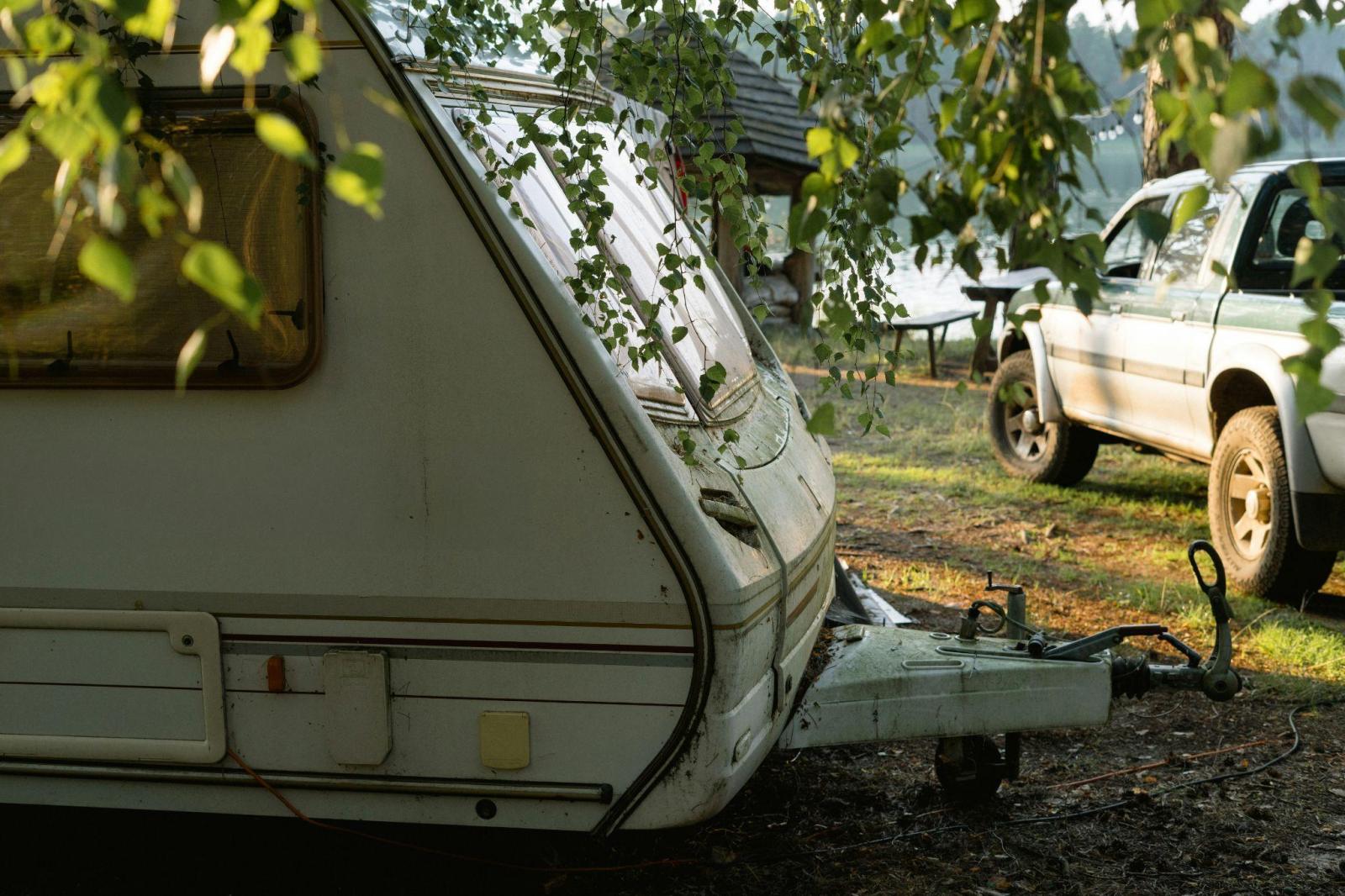
The Wait Nobody Plans For
Most owners expect a caravan repair to take a few days. A bumped corner, a cracked window or a dented panel sounds like a quick job, and the workshop may well be able to do the work quickly once it starts. The surprise comes from everything that happens before the first tool comes out, and from a few things that happen in the middle.
Understanding where the time goes makes the wait easier to live with. Very little of it comes from slow repairers. Most of it comes from a chain of steps, each with its own pause, and knowing the chain helps owners plan for it and ask better questions along the way.
From Claim to Workshop: The Steps Before the First Tool Comes Out
The process starts when the claim is lodged. The insurer records the details, assigns a claim number and decides how the damage will be assessed. For smaller jobs, photographs and a quote may be enough. For larger or less clear damage, an assessor has to see the van in person, which means finding a time that suits the assessor, the owner and the place where the caravan is stored.
After the visit comes the first quote. The workshop or the assessor works out what needs to be repaired or replaced, and the figures go to the insurer for approval. Approval can take a few days in a quiet period and longer when a storm or hailstorm has produced hundreds of claims at once. Nothing proceeds until the insurer says yes, because the workshop needs written authority before starting.
Booking a slot is the next hurdle. Good workshops are busy, and an approved job joins a queue behind others already approved. A van with a straightforward panel repair may wait for a bay to come free, while a larger job that needs several days of uninterrupted space may wait longer.
Each step is reasonable on its own. Added together, they explain why a repair that takes three days on the workshop floor can span three weeks on the calendar.
When the Part Is on a Ship
Parts are the most common source of delay once the job is approved. Caravans are built from a wide mix of components, and many are specific to a brand, a model and even a build year. A window frame, a roof hatch, an external locker door or a section of cladding may need to be ordered from the manufacturer or an overseas supplier, and shipping times can stretch well beyond what anyone expected.
Colour and finish add another layer. Panels and decals must match the original, and some finishes are produced in batches. A workshop may need to wait for a matching sheet or arrange paint blending so the repair is not visible. Rushing this step shows up later as a patch that looks different in the sun.
A workshop that handles caravan insurance repairsregularly will usually order parts as soon as the first approval arrives, rather than waiting until a bay is free, and will send any extra quotes directly to the insurer so approvals do not stall. Asking the workshop how it manages parts orders and supplementary quotes is a sensible question for any owner, because the answer says a lot about how smoothly the job is likely to run.
Some parts are simply discontinued, especially on older vans. In those cases the repairer may need to source a second-hand component, adapt a similar one or ask the insurer to approve a different solution. Each of those choices adds a conversation and sometimes another assessor visit.
The Damage Hiding Behind the Panel
Many repairs begin with a clear picture and change once the panel comes off. A dent in the outer skin may hide a cracked frame, a crushed insulation layer or a damaged wiring run behind it. Water ingress is the most common surprise. A small crack that let rain in for months can leave swollen timber, stained linings and mould that were invisible from the outside.
When this happens, a good workshop stops and documents what it finds with photographs and notes. The insurer then has to approve a supplementary quote for the extra work, and in some cases the assessor wants to see the damage before agreeing. The job pauses until approval arrives, which can feel frustrating when the van is already in pieces.
Finding hidden damage during a repair is far better than finding it later. A frame that is repaired properly now will not become a leak, a squeak or a structural problem two years down the road. Owners who ask the workshop to explain what has been found, and to share photographs, usually come away reassured that the extra time was worth it.
Making the Wait Easier on Yourself
A few habits take the sting out of a long repair. Start by asking for a realistic timeline in writing, with the main stages listed, such as assessment, approval, parts, repair and final checks. Timelines move, but a written plan gives both sides something to measure against and makes it easier to see where a delay arises.
Arrange somewhere for the van to be, and somewhere for yourself if you were travelling when the damage occurred. Some policies include accommodation or hire cover, and it is worth reading the wording early rather than late. If the van is being kept at the workshop, check what is covered while it sits there.
Ask for regular updates and agree on how you will receive them. A short message every few days is usually enough, and it prevents the anxiety that silence creates. Keep a folder with photographs of the damage, the claim number, quotes, emails and receipts. A tidy record makes every conversation with the insurer and the workshop quicker.
Finally, plan trips with the delay in mind. If a holiday is booked, tell the workshop and the insurer early, and ask whether a temporary repair or an earlier slot is possible. Most people are willing to help when they know about a deadline in good time, and honest communication tends to move a job along more than frustration does.