

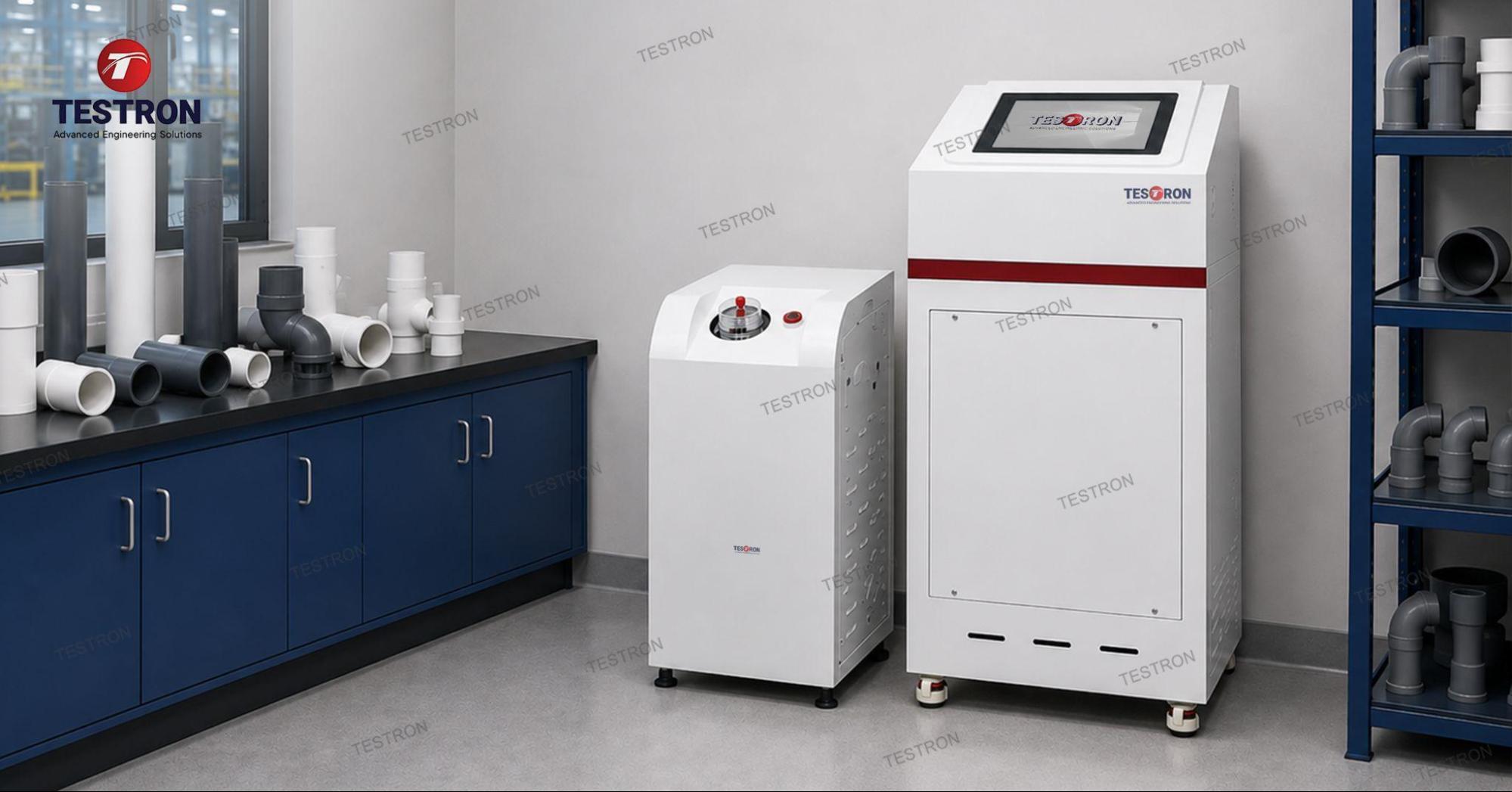
A pipe may look strong after manufacturing, but its actual performance is tested when it carries pressure over years of operation. That is when leaks, small cracks or sudden failures can appear. Water lines, factory pipe runs and home plumbing all rely on pipes that stay tight and strong.
For manufacturers, it means quality cannot be confirmed through appearance checks alone. Pipes need controlled testing that recreates pressure conditions before they reach installation sites.
Hydrostatic pressure testing equipment in the USA lets you evaluate how pipes respond under internal pressure for a defined period. The results help identify weaknesses in materials, joints, production processes and design decisions.
In this article, you will learn which types of pipes hydrostatic testing can be applied to, the benefits it provides to manufacturers, and what factors to consider when choosing the right testing device.
Why Pressure Testing Matters Before Pipes Enter Service
Pipes experience different challenges during their service life. They may face continuous operating pressure, sudden pressure changes, temperature variation and installation-related stress.
A pipe that performs well during production still needs validation before it reaches a real application. It’s where hydrostatic testing becomes an important part of quality control.
Hydrostatic pressure test equipment lets manufacturers check whether pipes can maintain pressure without leakage, unwanted deformation or structural failure. It provides measurable results that show product performance, not only visual checks.
For pipe manufacturers, this testing procedure builds confidence during production, review and customer approval.
How Hydrostatic Pressure Testing Works
Hydrostatic testing follows a controlled process designed to evaluate pipe strength and pressure resistance.
The general process includes:
- Preparing and sealing the pipe specimen.
- Filling the pipe with water and removing trapped air.
- Gradually increasing pressure to the required level.
- Maintaining pressure for a defined test period.
- Monitoring pressure stability and pipe behavior.
- Recording and reviewing test outcomes.
A reliable hydrostatic pressure testing machine requires accurate pressure control, stable monitoring and safe operation throughout the procedure.
A professional hydrostatic pressure testing equipment system helps laboratories perform controlled pressure tests with repeatable results. It lets your team compare samples, assess production consistency and maintain stronger quality records.
Applications Across Pipe Manufacturing Industries
Hydrostatic testing supports various pipe applications where reliability and durability matter.
Water Supply Pipes
Manufacturers producing water supply pipes use pressure testing to verify that products can handle expected operating conditions. Testing helps identify possible weaknesses before pipes are installed in residential or commercial systems.
The U.S. Environmental Protection Agency sets drinking water rules. It also shares materials that stress safe and dependable water systems. Because of this, checking water quality matters during pipework. It also matters when people get ready to build water lines.
Plastic and Thermoplastic Pipes
PVC, HDPE and other polymer pipes require careful evaluation because material behavior can change depending on formulation, processing and design.
A hydrostatic pressure tester helps manufacturers confirm that pipe samples maintain performance under controlled pressure conditions.
Industrial Pipeline Systems
Industrial pipes may operate in demanding environments where failure can create safety and operational concerns. Pressure testing helps verify that products meet required performance expectations before use.
Research and Quality Laboratories
Laboratories also use hydrostatic testing during product development, material comparisons and production improvement projects.
Benefits of Hydrostatic Pressure Testing Equipment in the USA
A strong quality-control process does more than identify failures. It helps manufacturers improve products before problems reach the field.
Hydrostatic pressure testing equipment in the USA provides several advantages:
- Detects hidden weaknesses before installation
- Supports consistent product quality
- Helps compare materials and designs
- Reduces the risk of field failures
- Creates reliable test records
- Improves customer confidence
When testing becomes part of your regular workflow, you gain better visibility into how materials and manufacturing decisions affect pipe performance. Hydrostatic pressure testing equipment in the USA setup can become a valuable tool for improving production decisions rather than being used only as a final inspection step.
Testing Considerations Before Selecting a System
Choosing the right testing system depends on your pipe sizes, production needs and required test conditions.
| Consideration | Why It Matters |
| Pipe size range | Ensures compatibility with your products |
| Pressure range | Matches your testing requirements |
| Number of testing stations | Supports your production volume |
| Monitoring accuracy | Improves confidence in results |
| Data recording | Helps maintain testing history |
| Safety features | Protects operators during testing |
For larger applications, you may need high-pressure hydrostatic test equipment to evaluate pipes designed for more demanding conditions.
Before selecting a system, consider ease of operation, maintenance requirements, calibration support and future testing needs.
Buying, Renting or Choosing Custom Solutions
Different businesses have different testing requirements. A manufacturer performing regular quality checks may benefit from purchasing a dedicated system, while companies with temporary projects may consider Hydrostatic pressure testing equipment rental.
Rental options can support short-term validation work or occasional testing requirements. However, long-term users usually benefit from owning equipment that is always available for production checks.
Businesses searching for Hydrostatic pressure testing equipment near me should also evaluate technical support, calibration services and supplier experience rather than choosing based on location alone. Custom configurations may also be useful when laboratories require specific pressure ranges, fixtures or testing arrangements.
Understanding Price and Supplier Support
Hydrostatic pressure testing equipment price depends on factors such as pressure capacity, pipe size range, automation level, data systems, accessories and support services.
When comparing Hydrostatic pressure testing equipment manufacturers, look beyond the initial quotation. Installation guidance, training, calibration service and maintenance support can influence the long-term value of the investment.
A dependable hydrostatic pressure testing equipment supplier should help you select a system that matches your testing purposes and laboratory workflow.
Working with an experienced material testing equipment manufacturer can make it easier to choose the right solution for your pipe testing requirements, production volume and quality standards.
Strengthen Your Pipe Testing Process With Better Confidence
Reliable pressure testing helps pipe manufacturers understand performance before products enter real-world applications. It supports better decisions, stronger quality control and greater confidence in every batch. The right hydrostatic pressure testing equipment in the USA can help your team identify issues earlier, improve manufacturing consistency and maintain customer expectations.
Get a quote from Testron Group to explore hydrostatic pressure testing solutions designed for your pipe testing requirements











1 thought on “Hydrostatic Pressure Testing Equipment for Pipes: Applications, Benefits and Testing Considerations in the USA”
Comments are closed.