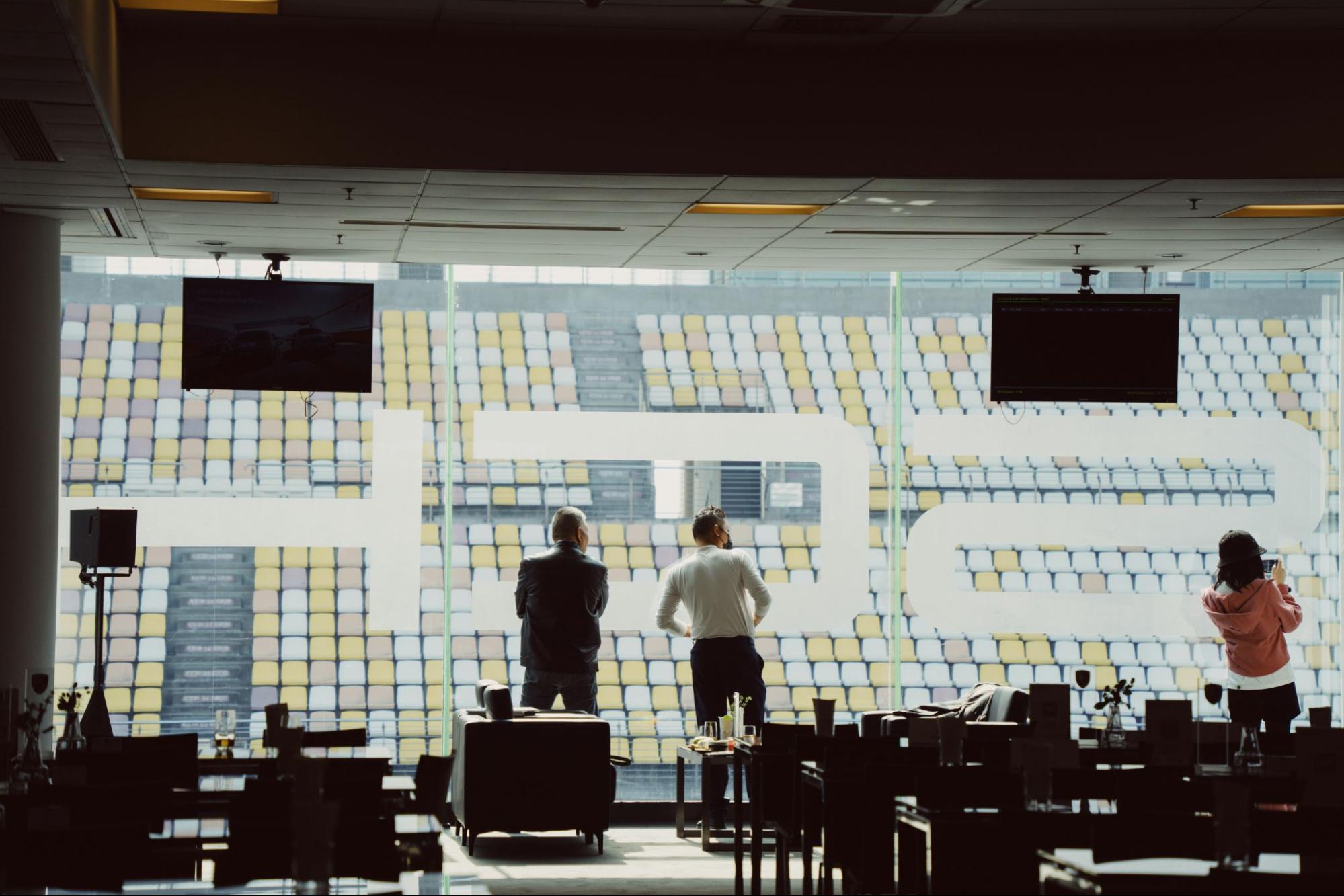
Game day used to have a clear order: arrive, find the seat, watch the field, react with the section. That order still exists, but it now runs beside another one. The phone has become a companion screen for lineups, injury context, replays, fantasy decisions, group chats and postgame debate.
Pennsylvania is a useful case because its sports culture is both local and data-hungry. Eagles, Steelers, Phillies, Pirates, 76ers, Flyers and college programs all create the kind of weekly rhythm that pushes fans toward fast updates. Stadium noise still matters, but the small screen often explains what the crowd is reacting to before the public address system catches up.
Outside the stadium, the same habits carry into regulated digital channels. A fan may check a beat writer’s note, compare live stats or read a market explainer before using pennsylvania sports betting as one part of a wider game-day information stack. The point is not that every fan wagers, but that modern sports attention now moves through several verified, time-sensitive layers.
Why the Phone Became Part of the Live Sports Ritual
Mobile behavior grew because live sports became more fragmented. A fan watching the Phillies can follow another game for playoff implications, track a fantasy matchup, text friends in another city and look up a pitcher’s splits without leaving the broadcast. The phone fills gaps that television and stadium boards cannot always cover.
That matters in Pennsylvania because teams often sit inside intense regional identities. A Sunday game in Philadelphia or Pittsburgh is not just a three-hour event; it sets up conversations at work, on sports radio and across family group chats. Mobile tools give fans quick evidence for those arguments, from snap counts to shot charts.
The stronger design challenge is restraint. A second screen is useful when it clarifies the moment. It becomes noise when it buries the game under alerts, pop-ups and crowded menus.
What Mobile Design Has to Get Right Inside the Moment
Speed is not only loading time. In a live sports setting, speed means the shortest path from question to answer. Who is inactive? Why did the odds, win probability or broadcast tone change? What happened on a play that the camera angle missed?
Good mobile design answers those questions without making the fan work too hard. Strong live companion experiences usually share a few traits:
- Clear hierarchy, with score, clock and context visible first
- Fast navigation between game center, stats, video and account areas
- Legible data on a crowded concourse or in bright daylight
- Fewer unnecessary taps before a user reaches the relevant detail
- Stable performance when thousands of fans are online at once
This is where stadium signal becomes part of the product. Even a clean app feels broken if connectivity fails during a fourth-quarter drive or a late power play. For teams, venues and media partners, digital experience is no longer separate from the live event. It is part of how fans judge the event.
How Pennsylvania’s Regulated Market Changes the Second Screen
The Pennsylvania layer is more than team passion. It is also regulation. The Pennsylvania Gaming Control Board oversees sports wagering, online gaming and related licensed operators, which makes the legal market different from an open web search or an offshore link.
That distinction matters for fans because mobile access can look similar from the outside. A polished interface does not prove that a platform is licensed, age-restricted, geolocated or connected to state oversight. In Pennsylvania, legal mobile wagering is tied to authorization, location controls and rules that keep underage users and excluded individuals out of the system.
This regulatory frame also affects design. Verification, geolocation, login security and responsible play tools may feel like friction, but they are part of the infrastructure. The smoother version of a sports app is not the one that removes every check. It is the one that places necessary checks where users can understand them.
What Fans Should Check Before the Game Starts
The practical shift is simple: fans prepare for a game across both sports and technology. The pregame checklist now includes more than tickets, weather and parking. It also includes battery life, connection strength and the reliability of the sources a fan plans to follow.
Before kickoff, tipoff or first pitch, a careful fan can ask:
- Is the app or site tied to a recognized, licensed operator?
- Does the information update clearly during live play?
- Are account, privacy and location prompts easy to understand?
- Can notifications be reduced so the game remains the main event?
- Are budget limits and responsible play tools visible before any decision is made?
The last point is especially important. Live sports already create emotion, and mobile design can intensify it by turning every play into a prompt. Good design slows down confirmation at the right time, rather than pushing a fan from reaction to action without a pause.
The Next Phase Is About Timing, Not More Screens
The future of game-day technology will not be decided by how many features can be packed into a phone. It will be decided by timing. The most useful apps will know when to surface a replay, when to hold back a notification and when to give fans a cleaner view of the game.
Pennsylvania fans are a useful audience for that evolution because they combine loyalty with scrutiny. They notice when a broadcast misses context, when a venue connection struggles and when an app adds steps at the worst possible moment. That pressure can improve the whole experience.
The second screen is not replacing the stadium, the broadcast or the bar conversation. It is becoming the layer that connects them. When it works, it makes the fan more informed without making the game feel smaller. When it fails, it reminds everyone that in live sports, timing is not a feature. It is the experience.