

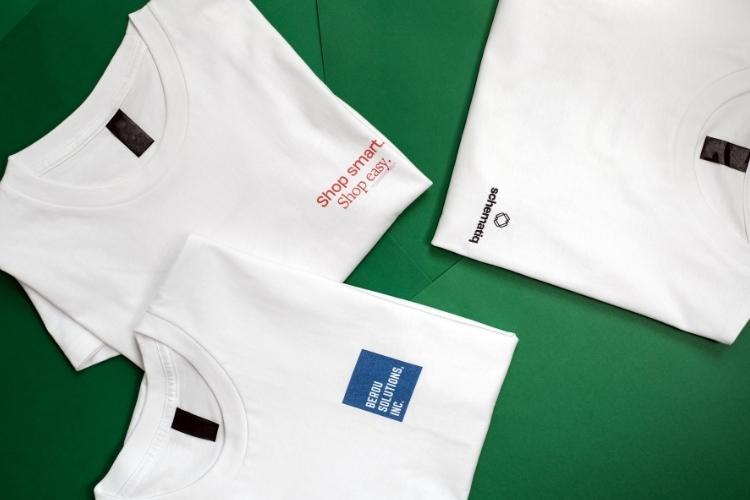
Branded clothing can do much more than put a logo on a T-shirt. For a local business, the right apparel can help staff look recognizable, give customers something they’ll actually use, and keep the business visible long after an event ends.
The challenge is making apparel useful rather than treating it as an obligatory promotional item. A shirt that looks good, feels comfortable, and suits its purpose has a far better chance of being worn repeatedly. That means local businesses should consider design, audience, garment choice, and distribution before ordering a stack of branded clothing.
Start With a Clear Purpose for the Apparel
Before choosing colors or deciding where the logo should sit, work out what the clothing needs to achieve. Staff uniforms, event merchandise, customer giveaways, and retail products all serve different purposes, so they should not automatically share the same design.
Staff clothing needs to make employees easy to identify while staying practical throughout a workday. A landscaping company might prioritize durable work shirts, while a café may prefer lightweight T-shirts or aprons. In both cases, employees need clothing they can comfortably work in rather than something designed primarily for advertising.
Event apparel has another job. It can make a team recognizable in a busy venue and help create a consistent appearance across a booth or exhibition space. Giveaways, by contrast, have to appeal to the recipient. If customers would never choose to wear the garment outside the event, its marketing life will probably be short.
Thinking about the purpose first also helps businesses decide how to produce the artwork. Companies preparing their own apparel designs can use services such as DTF Transfers Now when custom DTF printing fits the garments and project they have planned. The printing method should support the intended use of the clothing, rather than dictate the entire idea.
Design Clothing People Will Want to Wear
One of the easiest mistakes with branded apparel is making the branding too dominant. Business owners naturally want their company name to stand out, but customers may have different priorities when deciding what to wear on a Saturday afternoon.
Think of the garment as clothing first and advertising second. A small chest logo, interesting graphic, local reference, or well-considered piece of typography can sometimes make a shirt more wearable than an oversized company name across the front.
Local businesses have an advantage here because they understand the places and communities they serve. A bakery, bookstore, gym, restaurant, or independent retailer can draw inspiration from its neighborhood, its personality, or familiar elements of the customer experience. The design can still identify the business without looking like a conventional advertisement.
Match the Garment to the Setting
A strong graphic cannot rescue a garment that feels uncomfortable or inappropriate for its intended use. Consider where, when, and how people will wear the apparel.
For employee uniforms, think about movement, temperature, washing, and the type of work involved. Staff who spend most of the day outdoors have different needs from employees working behind a reception desk. The garment should also fit the image customers expect from the business without making employees uncomfortable during a long shift.
Giveaways require a slightly different calculation. A useful item generally has a better chance of staying in circulation than something chosen simply because it is easy to distribute. The garment should suit the audience and occasion. Ordering sensible size ranges also matters when clothing will go directly to customers.
For event merchandise, consider what happens after the event. A date-specific design may make a good souvenir, but it can quickly feel outdated. A more timeless graphic could remain wearable for much longer. Decide which outcome matters before finalizing the artwork.
Use Events to Put Apparel in Context
Local events offer businesses a natural setting for branded clothing because staff and customers already have a reason to interact. Community fairs, markets, fundraisers, sports days, launches, and trade events can all give apparel a practical role.
Start with the team. Coordinated staff clothing helps visitors identify who they can approach with questions. This is particularly useful at crowded events where signs and displays compete for attention.
Next, think carefully about giveaways. Handing a shirt to every passerby can burn through stock without creating much connection. Instead, businesses can tie merchandise to meaningful interactions. A retailer might offer limited apparel alongside an in-store event, while a community organization could use shirts for volunteers or participants.
Scarcity can also make event merchandise feel more intentional. Designing for a recurring local occasion gives people a reason to connect the garment with an experience rather than seeing it as another promotional freebie.
Keep Branding Consistent Without Making Everything Identical
Businesses can create a simple set of rules covering approved logo versions, colors, typography, and minimum artwork sizes. Within those boundaries, designs can change according to their purpose. Staff apparel might use clear, straightforward branding, while customer merchandise can take a more creative approach.
This becomes especially useful when several people handle marketing. Without basic guidelines, one event shirt may look unrelated to the next staff uniform or customer giveaway. A few agreed design rules give the collection a recognizable identity while leaving room for fresh ideas.
Before producing a larger batch, review the complete garment, not just the artwork. Check placement, proportions, contrast, and readability. If possible, test a sample in the setting where people will actually wear it. A design that works on paper may need adjustments once it appears on a shirt.
Think Beyond the Initial Handout
The real marketing opportunity starts when branded apparel leaves the business. A shirt worn repeatedly around town can keep the company familiar to existing customers and introduce its name to people who have never visited.
That makes usefulness a better guiding principle than simply maximizing logo visibility. Choose apparel with a clear job, create designs that suit the people wearing them, and think about where those garments will go afterward.
Local businesses do not need to turn every employee or customer into a walking billboard. They need to create clothing that earns a place in someone's regular rotation. When branded apparel feels appropriate, comfortable, and thoughtfully designed, the marketing becomes a natural result of people choosing to wear it.
Final Thoughts
Branded apparel works best when businesses treat it as part of the customer and employee experience, not just another place to print a logo. Start with a defined purpose, choose garments for their real-world setting, keep the artwork wearable, and plan distribution around meaningful interactions.
A thoughtful approach can turn staff shirts, event merchandise, and customer giveaways into practical items with a life beyond the original campaign. The question worth asking before every order is simple: would the intended wearer genuinely want to wear it again? If the answer is yes, the apparel is already doing more useful marketing work.





1 thought on “How Local Businesses Can Turn Branded Apparel Into a Useful Marketing Tool”
Comments are closed.