

School transportation teams are under pressure to provide clearer answers when buses run late, routes change, or families need to know whether a vehicle is on the way. Effective school bus GPS tracking can improve visibility, but only when a district selects tools that match its real operational needs.
A tracking platform is not a replacement for well-designed routes, trained drivers, dependable maintenance, or responsive dispatch. It is a practical communication and decision-support tool that can help districts reduce uncertainty for families while giving staff better information during a busy school day.
Why Districts Are Reviewing Bus Tracking
Weather, traffic, road closures, substitute drivers, changing student assignments, and vehicle problems can disrupt even a well-planned route. In June 2026, Arlington Public Schools announced a new app after its previous software delayed routing information and contributed to inefficient processes, illustrating why districts need timely, dependable communication about bus service. Delayed routing information to families and schools can quickly become an operational issue, not merely a customer-service concern.
How Modern Bus Tracking Works
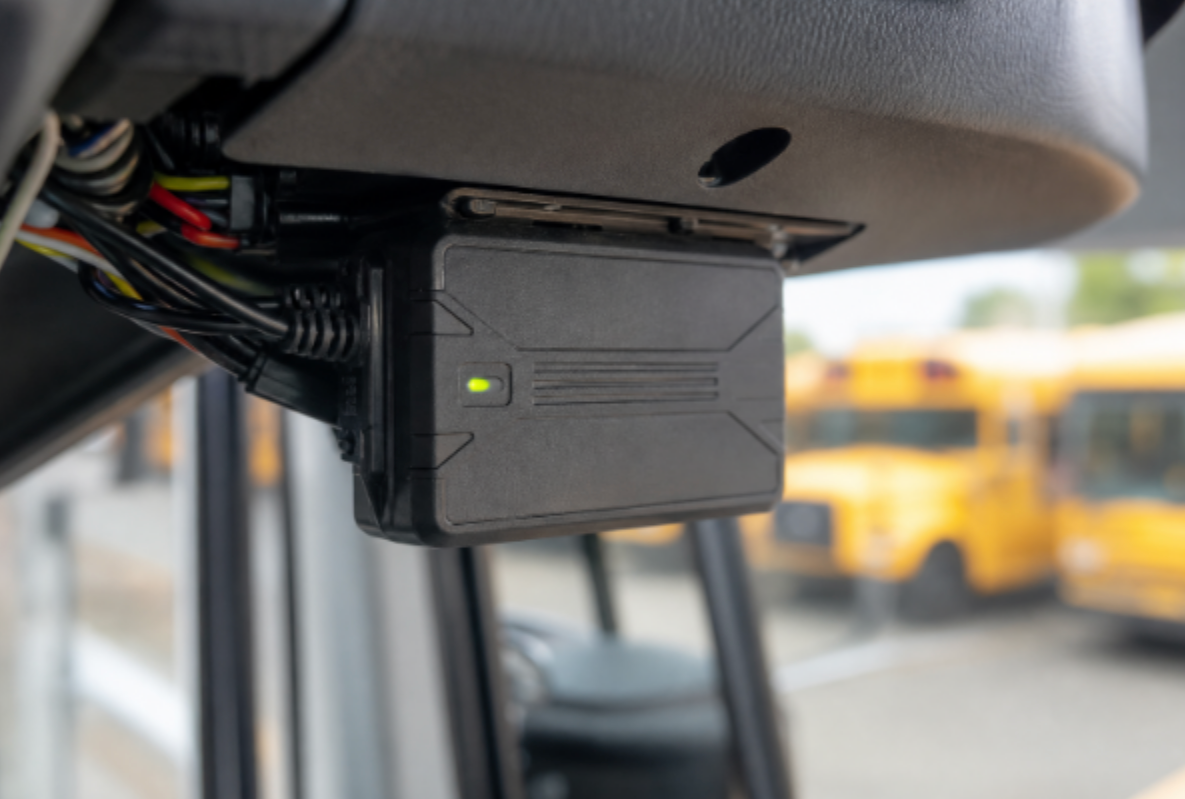
Most systems follow a straightforward process. An onboard device gathers vehicle location data, cellular service sends updates to a secure platform, and authorized staff view the information through a dashboard. Families may receive updates through an app, website, text, email, or phone notification.
Vehicle tracking and student tracking are different. A vehicle location shows where the bus is, while student-level tools may record boarding or drop-off events. Neither should be presented as perfect in every situation. Weak cellular coverage, outdated route records, device faults, or unreported schedule changes can all affect arrival estimates.
Start With District Needs
Before comparing vendors, identify the specific problem that needs improvement. Is dispatch struggling to locate vehicles? Are families calling repeatedly about late buses? Are special education routes difficult to coordinate? Does the district need better records for reviewing recurring delays?
One district may only need dependable delay alerts and basic live maps. Another may need routing, fleet reporting, student assignments, emergency messaging, and integrations with existing systems. Buying more features than staff can realistically use often creates unnecessary cost and complexity.
Features Worth Reviewing
- Live vehicle location: Ask how often locations refresh and what users see when a signal is lost.
- Estimated arrival times: Confirm how estimates are calculated, refreshed, and corrected after route changes.
- Route history: Ensure authorized staff can review completed trips, long stops, and recurring delays.
- Geofenced alerts: Check whether notices can be triggered near a school, stop, or approved service area.
- Delay messaging: Look for fast, reusable messages that do not require staff to update several systems.
- Accessibility and language support: Review screen-reader compatibility, translated instructions, and mobile usability.
- Reporting and integration: Confirm the platform can produce useful reports and connect appropriately with routing, notification, fleet, or student information systems.
Privacy, Security, And Access Controls
Location data requires careful governance, even when a platform primarily tracks vehicles. Districts should know where data is stored, how long it remains available, whether it is shared with contractors, and who can access it. Role-based permissions should limit each user to the information necessary for that role.
Ask vendors about encryption, multi-factor authentication, password standards, audit logs, incident response, and data export at contract end. Privacy also matters when systems serve students with specialized transportation needs.
Making The System Useful For Families
Family communication should be simple. Provide one clear sign-in process, plain-language notices for delays and cancellations, translated instructions, and accessible support materials. Explain that arrival times are estimates and identify a backup communication method for households without reliable internet access. Guardians should also have an easy way to update phone numbers and notification preferences.
Supporting Drivers And Transportation Staff
Drivers need tools that are easy to use and never distract from safe vehicle operation. Dispatchers, school office staff, substitute drivers, and help desk teams need role-specific training. Written procedures should cover device failures, road closures, late buses, breakdowns, missed stops, and incorrect route data. Collect driver feedback during the pilot, not after district-wide adoption.
Building A Low-Risk Rollout Plan
- Set two or three measurable goals.
- Map how delays, calls, route changes, and emergencies are handled today.
- Compare vendors on functionality, support, security, pricing, and contract terms.
- Pilot routes across different schools, neighborhoods, and service types.
- Compare estimated arrivals with actual arrivals and correct route data issues.
- Train each user group, communicate early with families, and fix problems before scaling.
How To Measure Results
Track transportation status calls before and after launch, notification response times, system uptime, device connection rates, and the gap between estimated and actual arrivals. Survey families, drivers, dispatchers, and school staff. Most importantly, separate technology failures from larger issues such as driver shortages, severe weather, traffic congestion, or poor route design.
Common Questions To Ask Vendors
- How often does location data refresh, and what happens during cellular outages?
- Does the system track vehicles, students, or both?
- How are arrival estimates calculated and corrected?
- What privacy controls, retention rules, and security protections are included?
- Can the district export its data if the contract ends?
- What training, support, alerts, language options, and accessibility tools are included in the price?
- Which costs may increase after the first year?
Conclusion
School bus tracking is a transportation tool, not a complete transportation strategy. The strongest programs combine accurate data with trained staff, realistic expectations, clear privacy rules, and reliable family communication. A focused pilot and a short list of measurable goals can help districts improve daily service without adding unnecessary complexity.











2 thoughts on “School Bus Tracking: Checklist For District Decisions”
Comments are closed.