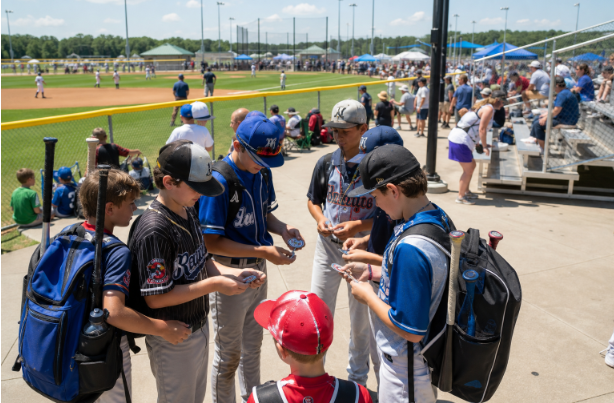
Youth tournaments move quickly, but trading pins gives players a reason to slow down, meet competitors, and celebrate the trip beyond the scoreboard. For teams comparing design ideas, finishes, and optional features, baseball trading pins from Lone Star Challenge Coins offer a useful starting point. The Texas-based, veteran-managed company creates custom enamel pins for baseball and softball teams, with design support, proof revisions, plating choices, and add-ons for teams in Spring Branch, San Antonio, and across the United States.
A pin may be small, but it can become the souvenir a player keeps long after uniforms no longer fit. When coaches and families plan early, establish fair trading expectations, and choose a design that represents the team well, pin trading can become one of the most positive parts of a tournament weekend.
Why Pin Trading Remains Popular
Baseball tournaments bring together families from different cities, states, and playing styles. Pin trading gives players a shared activity between games, at opening ceremonies, or while waiting near the fields. A simple question about a mascot or hometown can lead to a conversation that would not happen otherwise.
The tradition also adds a collecting element to youth sports. Like the keepsakes associated with the Little League Baseball World Series, tournament pins can represent a particular place, season, or accomplishment. Players often remember who gave them a pin and where they made the trade just as clearly as they remember a close game.
What Makes a Team Pin Memorable?
A memorable pin does not need every possible feature. It needs a clear idea that players can recognize at a glance. Start with the team name, mascot, city, age group, or tournament year. Then choose two or three main colors that match the uniforms and remain visible from a few feet away.
- Use large lettering for the team name and year.
- Choose a shape that supports the concept, such as a baseball, glove, bat, animal, or local landmark.
- Keep small details limited so the design does not look crowded.
- Use a recognizable logo or mascot expression that feels specific to the team.
- Consider a related design series when the team attends multiple events.
Design Choices That Help Players Trade
Children are often drawn to pins with one distinctive detail. That could be glitter in a team color, a spinner, a slider, a dangler, glow enamel, or a custom outline. The key is choosing one feature that supports the design rather than competing with it.
- Begin with a simple concept based on the team identity.
- Add one special feature that makes the pin feel collectible.
- Review the artwork at its actual pin size, not only on a large screen.
- Check a printed proof for spelling, contrast, and readable numbers.
- Invite players to share ideas before the final approval.
How Many Pins Should a Team Order?
The right quantity depends on the roster, the tournament size, and how actively players expect to trade. Count players and coaches first, then add enough extras for parents, siblings, volunteers, and unexpected exchanges. A team that orders too few may run out on the first day, while an oversized order can strain the budget.
A practical approach is to give every player an equal starting amount, reserve a small set for coaches or special trades, and keep a few extras for damaged or misplaced pins. Compare price breaks at different quantities before making the final decision.
Budgeting for Custom Trading Pins
Pin costs vary based on size, quantity, artwork complexity, metal finish, enamel style, and special features. Sliders, spinners, glitter, glow effects, and dangling pieces can make a pin more exciting, but they may also affect cost and production time.
Ask for a complete quote that separates the base pin price from optional upgrades, packaging, shipping, and rush production. This gives families a clearer picture of the total and helps the team decide which design choices matter most.
Simple Pin-Trading Rules for Young Players
Trading works best when adults set expectations before the event. Players should understand that every exchange is optional and that no pin is worth an argument or hurt feelings.
- Trade only when both players genuinely agree.
- Let each player inspect the pin before swapping.
- Never pressure someone to trade a favorite or limited pin.
- Ask a parent or coach to help resolve disagreements.
- Keep special pins separate from everyday trading supplies.
- Use a towel, lanyard, case, or fabric board to prevent losses.
Making Pin Trading More Inclusive
Every child should have the chance to participate without feeling that they need rare items or a large collection. Give each player the same starting number of team pins, encourage duplicate-for-duplicate trades, and hold a brief team trading session before the main event. Most importantly, remind players that collecting without trading is completely acceptable.
When Teams Should Start Planning
Start several weeks before the tournament, especially when travel dates and check-in times are fixed. Gather logos, colors, roster details, and reference images early. Review the first proof carefully, approve revisions, confirm the quantity, and leave room for production and shipping delays.
Common Questions About Trading Pins
Are trading pins only for baseball?
No. Pin trading is also common at softball tournaments, youth sports festivals, regional competitions, and team events. Baseball remains a natural fit because many teams gather in one location.
Should every player receive the same pin?
Equal starting quantities are usually the fairest option. Teams can still create special pins for coaches, volunteers, or milestone occasions when those items are clearly identified.
What if a player does not want to trade?
That is completely fine. Trading should be voluntary, and players should never feel obligated to give away a pin they want to keep.
How can players display their collections?
Pin towels, lanyards, display boards, shadow boxes, travel cases, and fabric bags can all work well. Choose an option that protects the pin backs and is easy to carry between fields.
Final Planning Checklist
- Confirm the team name, mascot, colors, and tournament year.
- Review artwork with coaches, players, and families.
- Match the order quantity to the roster and event size.
- Include desired upgrades in the quote before approval.
- Share trading rules with families before travel begins.
- Confirm delivery well before tournament departure.
Conclusion
Trading pins remain a meaningful part of youth baseball tournaments in 2026 because they encourage connection, team pride, and lasting memories. With a clear design, a sensible budget, enough pins for every player, and a few simple rules, a team can turn a small collectible into a highlight of the season.