

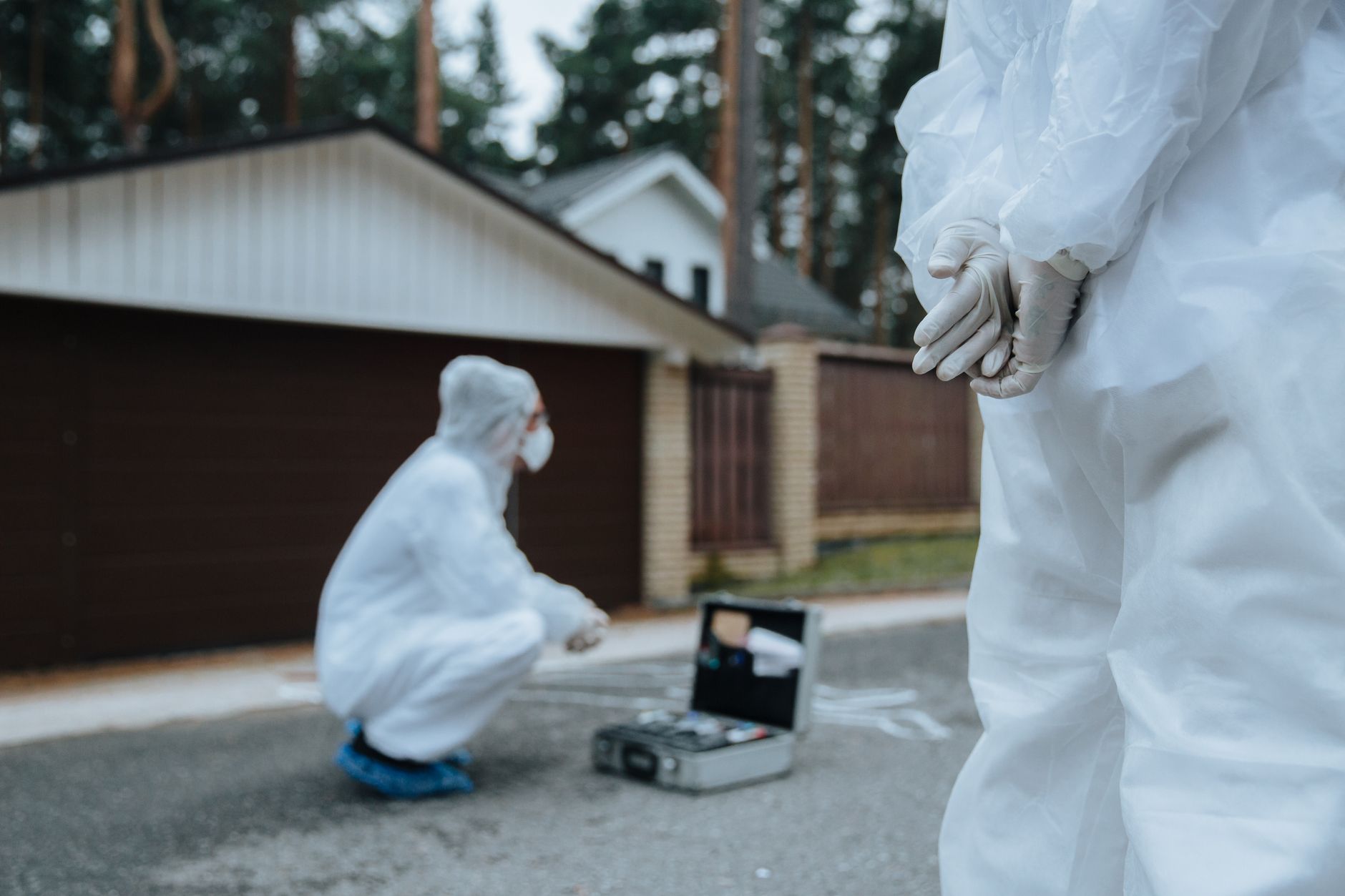
Mold can become a challenging property maintenance issue when moisture remains in an area for an extended period and creates conditions that support fungal growth. It may develop on drywall, ceilings, flooring, wood, insulation, fabrics, and other materials, while some growth can remain hidden behind walls or beneath finished surfaces. Property owners may sometimes notice a musty odor, staining, discoloration, or dampness before they can identify where the problem is located. Effective mold detection can help determine which areas may require closer examination and whether moisture conditions could be contributing to potential growth. Understanding the warning signs, inspection methods, moisture sources, and prevention strategies can make it easier to respond to concerns before they become more extensive. A thoughtful approach that combines inspection, moisture control, maintenance, and appropriate professional guidance can help protect the condition of a property over time.
Understanding Mold Growth
Mold is a naturally occurring fungus that exists in both indoor and outdoor environments. Small mold spores can enter a building through doors, windows, ventilation systems, clothing, and normal outdoor activity, so the presence of spores alone does not necessarily mean that there is a significant indoor problem. Mold generally becomes a concern when moisture, suitable temperatures, and materials provide favorable conditions for growth. Professional mold detection can be useful when there are visible signs, persistent odors, previous water damage, or other indications that fungal growth may be present. Common moisture sources include plumbing leaks, roof problems, condensation, flooding, poor ventilation, and water intrusion around windows or exterior surfaces. Identifying and correcting the moisture source is one of the most important steps in preventing recurring growth.
Why Early Detection Matters
Mold problems can sometimes remain unnoticed because growth may develop in locations that are not regularly inspected. Areas behind furniture, inside wall cavities, underneath flooring, around plumbing connections, and within insulation can be difficult to access during routine cleaning and maintenance. Professional mold detection can help property owners investigate unusual conditions and identify areas where additional attention may be necessary. Early investigation can also help reveal moisture problems before they cause more extensive deterioration of building materials. Ignoring recurring odors, dampness, or visible staining may allow the underlying condition to continue. Taking action when warning signs first appear can provide a better opportunity to identify the cause and determine an appropriate response.
Common Warning Signs
There are several signs that may indicate a property should be evaluated for potential mold growth. Visible spots, patches, or discoloration on walls, ceilings, floors, or other surfaces are among the most recognizable signs. A persistent musty or earthy odor can also indicate that moisture or fungal growth may be present in an area that is not immediately visible. Professional mold detection can be especially helpful when an odor continues but a simple visual inspection does not reveal its source. Other warning signs may include peeling paint, bubbling drywall, warped flooring, recurring condensation, water stains, or materials that remain damp. These signs do not automatically confirm the presence or extent of mold, but they can provide important reasons to investigate further.
The Relationship Between Mold and Moisture
Moisture is one of the primary conditions associated with indoor mold growth. Even relatively small amounts of water can create favorable conditions when materials remain damp for a prolonged period. Plumbing leaks, roof damage, overflowing appliances, condensation, flooding, and poor ventilation can all contribute to moisture accumulation. Professional mold detection can help identify areas that deserve closer investigation when moisture patterns suggest the possibility of hidden growth. However, detecting mold without correcting the moisture source does not solve the underlying problem. Long-term control requires identifying where the water is coming from, repairing the source, drying affected materials, and taking steps to prevent the same conditions from occurring again.
Visual Inspection
A visual inspection is often an important first step when investigating potential mold concerns. An inspector may examine ceilings, walls, floors, plumbing areas, windows, ventilation spaces, basements, storage areas, and other locations where moisture may accumulate. Professional mold detection through visual assessment can reveal discoloration, visible growth, water staining, damaged materials, and other conditions that may require further investigation. However, visual inspection has limitations because hidden growth cannot always be identified from the outside of a finished surface. If the building history or moisture conditions suggest concealed problems, additional inspection methods may be considered. A careful visual assessment can nevertheless provide valuable information and help establish where attention should be focused.
Moisture Measurement
Moisture measurement can provide useful information when a property has experienced leaks, flooding, condensation, or other water-related problems. Specialized moisture meters may help identify areas with elevated moisture that are not easily recognized through visual observation. Professional mold detection may incorporate moisture information to determine whether particular materials or sections of a property deserve closer examination. Different building materials have different moisture characteristics, so readings should be interpreted according to the material and surrounding conditions. An elevated moisture reading does not automatically prove that mold is present, but it can indicate that a moisture problem exists and may warrant further investigation. Finding damp areas early can also help property owners address water problems before they contribute to more extensive deterioration.
Hidden Mold Concerns
Hidden mold can be particularly difficult to identify because it may develop behind surfaces or inside enclosed spaces. Water can travel through walls, flooring, ceilings, cabinets, insulation, and other materials without producing obvious visible evidence on the finished surface. Professional mold detection can help investigate hidden concerns by considering moisture patterns, odors, previous water damage, and other building conditions. However, no single inspection technique can guarantee that every concealed area will be discovered without appropriate access. Property owners should provide inspectors with information about previous leaks, flooding, renovations, recurring condensation, or other moisture events. This history can help direct attention toward locations where hidden moisture or growth may be more likely.
Inspection After Water Damage
Water damage should be addressed promptly because wet building materials can create favorable conditions for mold growth. Plumbing failures, roof leaks, appliance problems, flooding, and other incidents can introduce significant amounts of water into floors, walls, ceilings, insulation, and furnishings. Professional mold detection may be considered when affected areas develop persistent odors, visible growth, or continuing moisture after a water event. However, drying and water removal should not be unnecessarily delayed while waiting for testing or inspection. The immediate priority should be stopping the water source and reducing moisture in affected materials as quickly as practical. Further inspection can then help determine whether additional evaluation, cleaning, material removal, or repairs may be appropriate.
Different Detection Methods
Mold investigations can involve several different methods depending on the circumstances and the questions that need to be answered. Visual inspection, moisture measurements, thermal imaging, air sampling, surface sampling, and other investigative techniques may be used when appropriate. Professional mold detection should be based on the specific conditions found at the property rather than relying on a single method for every situation. For example, moisture measurements may be useful when hidden dampness is suspected, while sampling may provide additional information about material or airborne particles. Each method has limitations and should be interpreted within the context of the overall building condition. Using appropriate methods together can sometimes provide a clearer picture of a suspected moisture or mold concern.
Air Sampling Considerations
Air sampling may be considered when there are concerns about airborne fungal particles or when visible evidence is limited. Samples provide information about particles present in the air at a specific location and time, but results can vary because indoor conditions change. Ventilation, weather, occupant activity, cleaning, and other factors can influence airborne particle levels. Professional mold detection may include air sampling when it can answer a specific investigative question, but air results should not be treated as a complete assessment of every area in a property. A sample from one room cannot necessarily determine conditions in another room or inside a concealed wall cavity. Proper interpretation is therefore important when considering what air sampling results actually demonstrate.
Surface Sampling Considerations
Surface sampling may be considered when visible or suspected growth is located on a particular material. A sample can sometimes be analyzed to provide information about material collected from that specific area. Professional mold detection may use surface sampling when there is a clear reason to investigate a particular location or material. However, the result generally applies to the sampled area and should not automatically be interpreted as representative of the entire property. Conditions can vary significantly between rooms, materials, and moisture sources. Surface sampling can provide useful information when used appropriately, but it should be considered alongside visual observations and moisture conditions.
Preventing Future Mold Growth
Prevention begins with controlling moisture and maintaining areas that are vulnerable to water intrusion or condensation. Plumbing leaks should be repaired promptly, roofs and exterior surfaces should be maintained, and areas with excessive humidity should receive adequate ventilation. Bathrooms, kitchens, laundry spaces, storage areas, and other moisture-prone locations should be checked regularly for signs of dampness. Professional mold detection can help investigate recurring problems, but prevention depends primarily on eliminating the conditions that allow growth to occur. Wet materials should be dried as quickly as practical, and damaged components should be repaired or replaced when necessary. Regular property maintenance can significantly reduce the likelihood of recurring moisture-related problems.
Importance of Proper Ventilation
Ventilation plays an important role in managing moisture, particularly in rooms where steam and humidity are generated regularly. Bathrooms and kitchens can accumulate significant moisture during showers, cooking, and other routine activities. Poor airflow can allow condensation to remain on walls, ceilings, windows, and other surfaces for extended periods. Professional mold detection may identify moisture patterns associated with inadequate ventilation when recurring growth or dampness is present. Improving airflow, using suitable exhaust systems, and maintaining ventilation equipment can help reduce excess moisture. Good ventilation should be combined with leak repairs and other moisture-control measures rather than being treated as the only solution.
Choosing a Qualified Professional
When professional evaluation is necessary, property owners should choose a provider who clearly explains the inspection process and limitations. A reputable professional should discuss what areas will be examined, what methods may be used, and what information the final report is expected to provide. Professional mold detection should focus on identifying evidence and explaining findings rather than making unsupported guarantees. Property owners may also want to understand whether the provider performs remediation services because recommendations should be based on objective findings. Asking questions about qualifications, procedures, reporting, and follow-up can help property owners make more informed choices. Clear communication can make the investigation easier to understand and help establish appropriate next steps.
What Happens After Detection
Finding evidence of potential mold does not mean that every material in the property needs to be removed or replaced. The appropriate response depends on factors such as the size and location of the affected area, the type of material involved, the source of moisture, and the extent of damage. Professional mold detection can help identify areas that require attention, but the detection process itself does not remove mold or correct the underlying moisture problem. Property owners should focus first on stopping active water intrusion and addressing conditions that could support additional growth. Depending on the circumstances, cleaning, drying, repair, removal, or professional remediation may be appropriate. The goal should be to address both the visible or suspected growth and the conditions that allowed it to develop.
Final Thoughts
Mold can be difficult to manage when moisture problems remain hidden or when early warning signs are overlooked. Professional mold detection can provide useful information when property owners are dealing with unusual odors, visible discoloration, previous water damage, damp materials, or suspected hidden growth. However, detection should be viewed as part of a broader approach that includes moisture investigation, timely repairs, appropriate cleaning, ventilation, and ongoing property maintenance. Understanding the limitations of different inspection and sampling methods can also help property owners interpret findings realistically and avoid unnecessary conclusions. Addressing water problems promptly and maintaining moisture-prone areas can greatly reduce the conditions that encourage mold growth. With careful investigation and consistent preventive maintenance, property owners can take practical steps toward maintaining a cleaner, drier, and better-managed indoor environment.











1 thought on “A Detailed Guide to Mold Detection, Hidden Moisture, Common Warning Signs, and Long-Term Prevention”
Comments are closed.