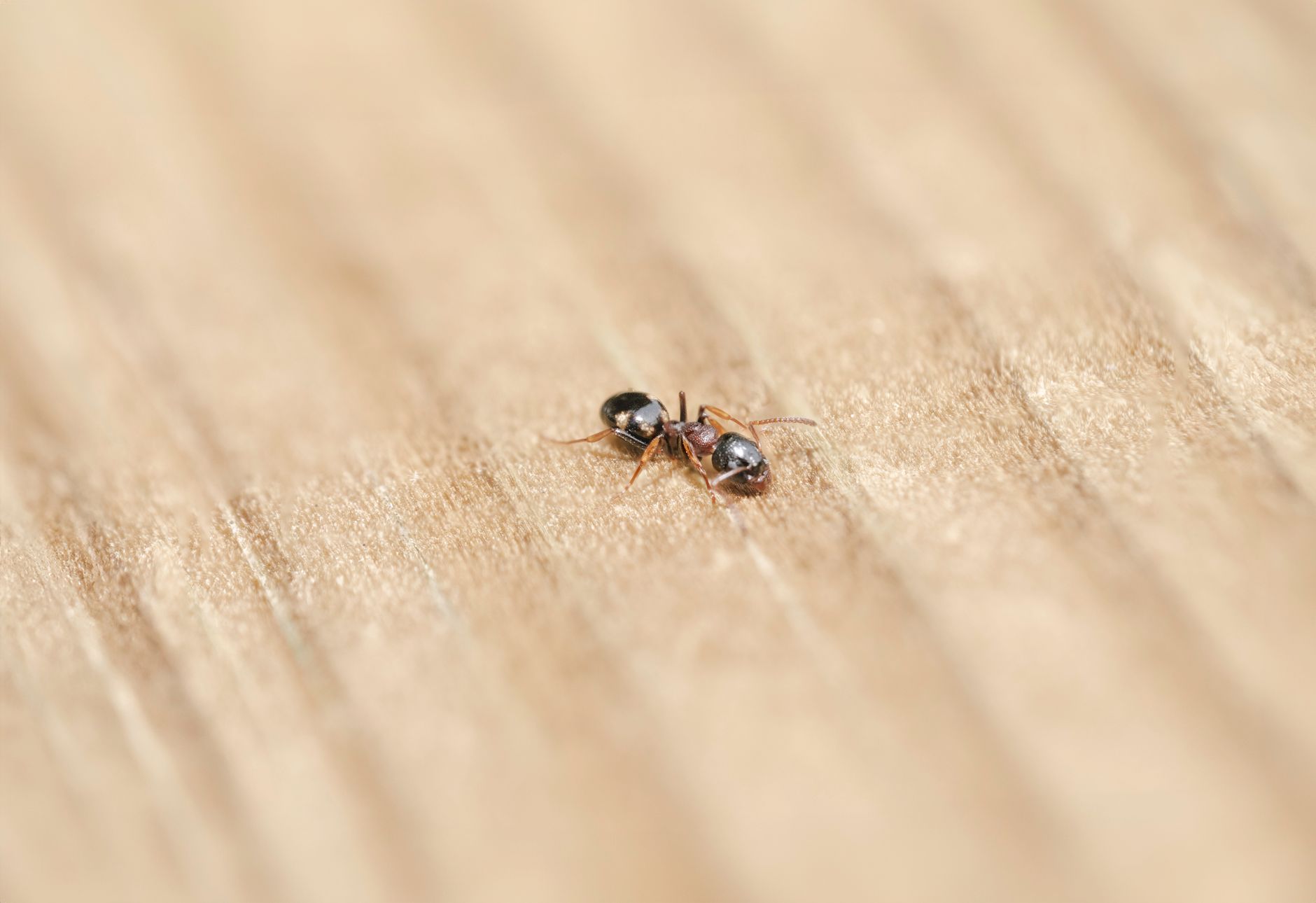
Pests can become a serious concern when they enter a property and remain unnoticed for an extended period. Insects, rodents, and other unwanted organisms can hide in walls, ceilings, crawl spaces, cabinets, attics, basements, and other areas that are not regularly inspected. Some pests may cause structural damage, while others can contaminate food, damage belongings, or create an uncomfortable living environment. A pest inspection can help identify signs of unwanted activity before a small issue develops into a larger infestation. Professional inspections can also reveal conditions that may attract pests, such as moisture, cracks, food sources, and gaps around the structure. Understanding how inspections work and why they matter can help homeowners take a more proactive approach to property maintenance.
Understanding the Purpose of an Inspection
The primary purpose of a professional inspection is to determine whether pests are present and identify evidence of current or previous activity. Inspectors typically look beyond the areas where homeowners have already noticed insects or rodents because pests can move through hidden pathways. A pest inspection may involve examining kitchens, bathrooms, storage areas, garages, attics, crawl spaces, basements, exterior walls, and other accessible parts of a property. Professionals may look for droppings, nests, damage, insect remains, entry points, moisture, and other clues. The information gathered during an inspection can help determine whether additional pest-control measures are necessary. It can also help homeowners understand why pests may be entering or remaining on the property.
Why Hidden Pest Activity Can Be Difficult to Notice
Many pests are naturally secretive and avoid areas where people are active. Rodents may travel through wall cavities or ceilings, while cockroaches can hide behind appliances and inside cabinets. Termites may remain inside wooden structures, making their presence difficult to recognize without careful examination. A pest inspection can help uncover evidence that may not be visible during an ordinary walkthrough. Inspectors understand common pest behaviors and know which areas are more likely to contain signs of activity. Early identification is valuable because infestations generally become more difficult to manage when pests have had more time to reproduce and spread. Paying attention to subtle warning signs can therefore make a meaningful difference.
Common Warning Signs of Pest Activity
Homeowners should not ignore unusual signs appearing around a property. Droppings, gnaw marks, damaged food packaging, insect wings, nests, unusual odors, damaged wood, and repeated sightings of insects can all indicate potential pest activity. Some signs may be obvious, while others may only become noticeable after an infestation has been present for some time. A pest inspection can help determine whether these signs are associated with an active infestation or another issue. Homeowners should also take note of unusual sounds coming from walls, attics, ceilings, or other enclosed spaces. Even if no pests are seen directly, repeated evidence should be investigated rather than dismissed.
Areas That Professionals Commonly Examine
A thorough inspection generally includes both interior and exterior areas where pests may enter, feed, hide, or reproduce. Indoors, inspectors may examine kitchens, bathrooms, utility rooms, storage areas, cabinets, attics, basements, and crawl spaces. Exterior inspections can include foundations, doors, windows, rooflines, drainage areas, storage structures, and other potential entry points. A pest inspection may also focus on areas with moisture or structural deterioration because these conditions can attract certain pests. The exact inspection process depends on the property’s construction, suspected pest, and visible evidence. By examining multiple areas, professionals can develop a more complete picture of the property’s pest risk.
Identifying Structural Vulnerabilities
Some pest problems are closely connected to weaknesses in a building’s structure. Cracks in foundations, damaged screens, gaps around pipes, deteriorated weather stripping, and openings around doors or windows can create entry points. Wooden structures affected by moisture or decay may also become more vulnerable to certain insects. During a pest inspection, professionals can identify these vulnerabilities and explain how they may contribute to pest activity. Addressing structural weaknesses can be an important part of preventing future infestations. Homeowners should not focus exclusively on eliminating visible pests because leaving entry points open may allow new pests to enter later. A combination of repairs, exclusion, sanitation, and pest management is often more effective.
The Connection Between Moisture and Pests
Moisture can create favorable conditions for many pests and may contribute to problems involving insects, rodents, and wood-damaging organisms. Leaking pipes, poor drainage, condensation, roof leaks, and inadequate ventilation can all create damp areas within or around a property. A pest inspection may identify moisture sources that homeowners have not noticed during routine maintenance. Bathrooms, kitchens, basements, crawl spaces, and areas around plumbing deserve particular attention because they are commonly exposed to water. Repairing leaks and improving drainage can help make a property less attractive to certain pests. Moisture management can also protect building materials from deterioration, which may otherwise create additional vulnerabilities.
Preparing for a Professional Inspection
Homeowners can help make an inspection more effective by preparing the property beforehand. Accessible areas should remain as clear as possible so inspectors can examine them without unnecessary obstacles. Storage spaces, garages, utility rooms, and other potentially important areas should be accessible when appropriate. Homeowners should also make notes about unusual activity, including where pests or signs were observed and when they were first noticed. A pest inspection can be more informative when inspectors have accurate information about previous infestations, treatments, repairs, or recurring problems. Homeowners should avoid destroying or cleaning away obvious evidence immediately before the inspection if it can safely remain in place. Details that seem minor may provide useful clues about the type and location of pest activity.
Understanding the Inspection Report
After an inspection, homeowners may receive a report describing the findings and recommended next steps. The report may identify active infestations, evidence of previous activity, structural vulnerabilities, moisture concerns, or potential entry points. A pest inspection report can provide valuable documentation for homeowners who want to understand the condition of their property. Depending on the findings, recommendations may include sealing openings, repairing leaks, improving sanitation, removing nesting materials, monitoring specific areas, or arranging professional pest control. Homeowners should review the report carefully and ask questions about anything they do not understand. Clear information makes it easier to prioritize problems and decide which improvements should be addressed first.
Inspection Before Buying a Property
A pest inspection can be particularly valuable when purchasing a home or another property. A standard property viewing may reveal general maintenance issues but may not identify hidden pest activity or damage. A professional inspection can examine areas that buyers may not think to check themselves. Discovering termite damage, rodent activity, wood deterioration, or other pest-related concerns before completing a purchase can provide important information for decision-making. Buyers can use inspection findings to understand potential repair requirements and discuss appropriate solutions with relevant professionals. Even when no active infestation is found, identifying vulnerabilities can help new property owners establish a preventive maintenance plan.
Preventing Future Pest Problems
Preventive maintenance is one of the most effective ways to reduce opportunities for pests to enter and establish themselves. Food should be stored in sealed containers, garbage should be managed properly, and spills should be cleaned promptly. Exterior cracks and gaps should be sealed when appropriate, while damaged screens and weather stripping should be repaired. A pest inspection can identify weaknesses that homeowners may overlook during routine cleaning and maintenance. Keeping vegetation and stored materials from creating easy pathways to the structure can also be helpful. Prevention works best when homeowners consistently address small problems before they become favorable conditions for larger infestations.
The Importance of Proper Identification
Different pests require different management approaches, so correctly identifying the problem is an important first step. An ant infestation may require a different strategy from termites, rodents, bed bugs, cockroaches, or wood-boring insects. A pest inspection can help determine what type of organism is present and where it may be active. Misidentifying a pest can result in ineffective control measures and unnecessary expense. Professionals can consider the physical evidence, location, behavior, and type of damage before recommending a course of action. Accurate identification also helps homeowners understand what preventive steps are most appropriate for their particular situation.
When an Inspection Should Be Scheduled
There are many situations when homeowners may benefit from arranging an inspection. Visible pests, repeated sightings, unusual odors, unexplained damage, droppings, nests, or sounds from hidden areas can all justify professional evaluation. An inspection may also be appropriate before purchasing a property, after completing major renovations, or when a property has a history of recurring pest problems. A pest inspection can provide useful information even when no active infestation is obvious. Regular inspections may be particularly valuable for properties that have structural vulnerabilities, moisture concerns, or environmental conditions that make pest activity more likely. The appropriate frequency depends on the property’s characteristics and pest history.
Choosing the Right Pest Professional
When an inspection reveals an infestation, selecting an experienced pest-control professional becomes an important next step. Homeowners should consider the provider’s qualifications, experience, inspection methods, communication, treatment recommendations, and follow-up services. A pest inspection should be thorough enough to identify potential causes rather than focusing only on the most visible insects or damage. Professionals should explain their findings clearly and discuss available management options. Homeowners can also ask whether the provider offers monitoring or follow-up inspections after treatment. Taking time to understand the proposed service can help homeowners avoid temporary solutions that fail to address the underlying problem.
Local environmental factors and regional weather patterns can also influence how pests enter residential structures. In coastal regions, addressing pest control in Astoria often involves identifying moisture risks and structural entry points unique to the area. Professional evaluations help property owners address these specific environmental conditions before minor issues lead to long-term structural damage.
Why Regular Property Maintenance Matters
Pest management works best when combined with regular property maintenance. Cleaning food spills, repairing leaks, sealing cracks, managing waste, organizing storage areas, and checking vulnerable structural components can all reduce pest opportunities. A pest inspection can reveal problems that require attention, but homeowners must continue maintaining the property afterward. Small gaps can become larger entry points, leaks can create new moisture problems, and clutter can provide additional hiding places if maintenance is neglected. Regularly checking the condition of the building can make it easier to identify changes before they become serious. Consistent maintenance is therefore an important part of long-term pest prevention.
Protecting the Value of Your Property
Pest infestations can potentially affect the condition and value of a property when they cause structural damage or require extensive repairs. Termites, rodents, and certain wood-destroying organisms can damage materials that are expensive to replace. A pest inspection can help identify such problems before they become more extensive. Early detection may allow homeowners to arrange repairs and pest-control measures while the affected area is still manageable. Maintaining documentation of inspections and professional services can also help property owners keep track of previous concerns and actions taken. Protecting a property from pests is not only about comfort; it can also be an important part of responsible long-term property care.
Final Thoughts
A professional inspection can provide homeowners with valuable information about hidden pest activity, structural vulnerabilities, moisture problems, and potential entry points. A pest inspection is useful not only when insects or rodents have already been seen but also as a preventive measure for properties that may be vulnerable to infestations. Recognizing warning signs, maintaining clean and dry conditions, sealing entry points, and addressing structural problems can all contribute to effective pest prevention. When an infestation is identified, professional pest-control guidance can help determine the most appropriate management strategy. Taking action early is generally easier than waiting until pests have caused extensive damage. With regular monitoring and responsible maintenance, homeowners can create a property that is less attractive to unwanted pests and better protected for the future.