

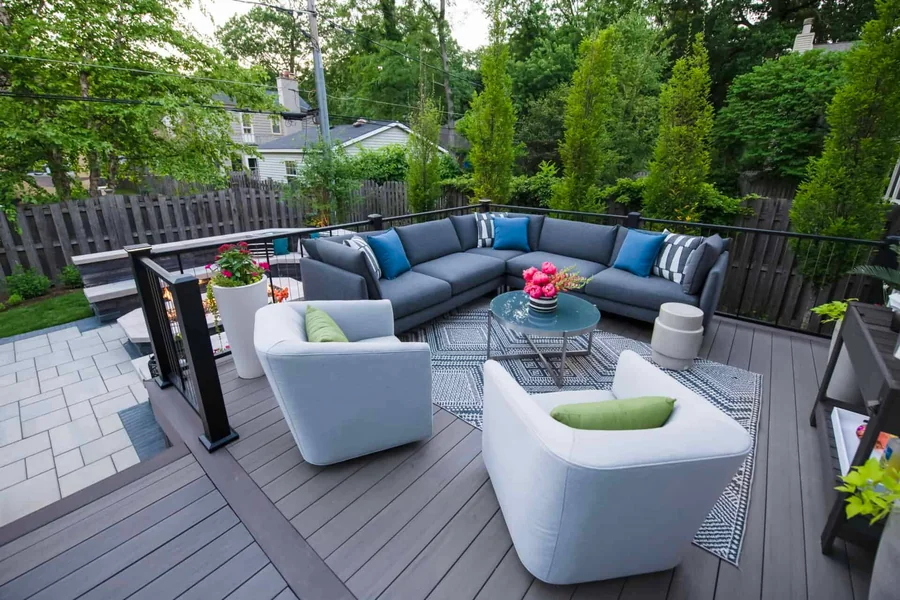
A deck can be one of the most valuable and enjoyable outdoor features of a home. It provides a comfortable place for relaxing, entertaining guests, having meals, and spending quality time outside. However, constant exposure to rain, sunlight, moisture, temperature changes, and everyday foot traffic can eventually cause significant deterioration. Cracked boards, loose railings, rotting wood, unstable stairs, and damaged framing can affect both the appearance and safety of the structure. When these problems become widespread, deck replacement can be a practical way to restore the outdoor area and create a stronger, more attractive, and more functional space. With careful planning, the right materials, and professional installation, homeowners can turn an aging deck into a long-lasting outdoor feature that meets their current needs.
Understanding the Need for a New Deck
Not every damaged deck needs to be completely rebuilt. Some problems can be addressed through simple repairs, such as replacing a few damaged boards, tightening fasteners, or repairing a section of railing. However, widespread deterioration may indicate that the entire structure has reached the end of its useful life. Soft wood, extensive cracking, visible rot, unstable posts, deteriorating beams, and movement underfoot are all signs that deserve professional attention. Homeowners should not judge the condition of a deck solely by its surface because serious structural issues can sometimes exist underneath boards that appear relatively attractive.A professional inspection can help determine whether the existing framing, posts, footings, stairs, and connections remain suitable for continued use. If several major components have deteriorated, repeated repairs may become less practical and less economical. Deck replacement provides an opportunity to address structural problems rather than continually treating individual symptoms. It can also allow homeowners to improve the layout, upgrade materials, enhance safety features, and create a design that better fits the way the outdoor area is currently being used.
Evaluating the Existing Structure
Before removing an old deck, it is important to understand how the structure has performed over time. The condition of the joists, beams, posts, footings, and connections should be carefully assessed because these components carry the weight of the deck and its users. Moisture damage is especially important to identify because water can remain around joints and connections, gradually weakening wood and causing corrosion in certain fasteners. Areas that are frequently exposed to water or have poor ventilation may deteriorate faster than other sections of the structure.The condition of the stairs and railings should also be examined carefully. Stairs experience repeated impact and concentrated foot traffic, while railings provide important support and protection. If these components are loose, cracked, unstable, or improperly connected, they may create unnecessary safety risks. During deck replacement, homeowners have the opportunity to correct these weaknesses and select improved designs. A detailed evaluation before construction begins can also help prevent unexpected surprises once demolition exposes previously hidden areas.
Selecting the Right Decking Material
Choosing the right material is one of the most important decisions in a deck project. Traditional pressure-treated lumber is widely used because it is accessible, versatile, and generally more affordable than many premium alternatives. It can provide a classic outdoor appearance and can be stained or painted in different ways. However, wood requires regular maintenance to help protect it from moisture, sunlight, insects, and general wear. Homeowners considering wood should understand the ongoing cleaning, sealing, and inspection requirements before making a final decision.Composite decking is another popular choice for homeowners who prefer a lower-maintenance surface. Composite products are designed to resist many of the problems associated with traditional wood, including moisture-related deterioration, splintering, and insect damage. PVC decking can provide another option for those prioritizing moisture resistance and minimal maintenance. Each material has different characteristics, costs, colors, textures, and installation requirements. When planning deck replacement, homeowners should compare long-term performance and maintenance needs rather than choosing a material based only on its initial price.
Planning the Deck Design
A successful deck should be designed around the way people will actually use it. Before construction begins, homeowners should consider whether the primary purpose will be dining, entertaining, relaxing, outdoor cooking, or a combination of activities. Furniture placement should be considered during the design stage so that there is enough room to move comfortably around tables, chairs, seating areas, and other outdoor features. A deck that looks spacious when empty may feel crowded once furniture and accessories are added.The position of stairs, doors, pathways, railings, and privacy features can also have a major effect on usability. Homeowners do not necessarily need to copy the exact layout of an old deck. Instead, deck replacement can be an opportunity to correct design problems and create a more efficient outdoor living area. A well-planned layout can improve movement between indoor and outdoor spaces, provide better access to the yard, and make the deck feel like a natural extension of the home rather than an isolated platform.
Considering Safety Feature
Safety should remain a priority throughout the planning and installation process. Railings need to be stable and properly secured, while stairs should have consistent dimensions and appropriate handrails. Walking surfaces should also be designed to reduce the likelihood of slipping, particularly in areas that may become wet. Adequate lighting can make stairs and pathways easier to navigate after dark and can improve the overall usability of the deck during evening hours.
Older decks may have outdated or damaged safety features that are no longer suitable for everyday use. During deck replacement, homeowners can incorporate improved railings, better stair layouts, stronger structural connections, and strategically placed lighting. It is also important to follow applicable building requirements and manufacturer instructions. Safety should not be treated as an optional upgrade because a well-designed deck needs to remain stable and comfortable throughout normal use.
Establishing a Realistic Budget
Budgeting for a deck project involves more than calculating the cost of decking boards. Expenses may include demolition, disposal, framing, posts, beams, joists, fasteners, stairs, railings, lighting, finishing products, labor, and other structural components. Material selection can have a significant impact on the final cost, particularly when comparing standard wood products with premium composite or specialty materials. Homeowners should create a detailed budget that considers both immediate construction expenses and future maintenance requirements.It is also wise to allow some flexibility for unexpected conditions. Once an existing deck is removed, hidden rot, damaged framing, inadequate connections, or other structural problems may become visible. Deck replacement can therefore involve additional work that was not obvious during the initial inspection. Having a reasonable contingency budget can help homeowners address these issues without significantly disrupting the project. Comparing detailed estimates from qualified contractors can also make it easier to understand where the budget is being allocated.
Preparing for Construction
Good preparation can make the construction process more efficient and reduce unnecessary complications. Outdoor furniture, planters, decorations, grills, and other movable items should be cleared from the work area before demolition begins. Homeowners should also discuss access, material storage, debris removal, landscaping protection, and expected working schedules with the contractor. Preparing the area in advance can help workers move materials safely and complete the project more efficiently.If the old structure is being demolished, the process should be approached carefully because aging decks may contain unstable components, loose boards, exposed nails, and deteriorated framing. After demolition, the underlying structure can be evaluated more thoroughly. This stage is particularly important because some problems may not become visible until the surface materials have been removed. Proper preparation and communication between the homeowner and contractor can help keep the project organized from beginning to end.
Improving Drainage and Moisture Control
Water is one of the most common causes of outdoor structural deterioration, making drainage an important consideration in any deck project. Water should be able to move away from the surface and surrounding structural components rather than remaining trapped in joints or underneath boards. Poor drainage can accelerate rot, encourage biological growth, and contribute to premature deterioration of both wood and certain metal components.During deck replacement, homeowners can review how water currently moves around the structure and identify opportunities for improvement. Appropriate board spacing, proper construction techniques, adequate ventilation, and effective drainage can help reduce moisture-related problems. Gutters and downspouts should also be positioned so that they do not continuously discharge water onto vulnerable areas. Addressing drainage during construction can help protect the new deck and reduce the likelihood of repeating problems that affected the previous structure.
Choosing Attractive Design Elements
A deck can provide functional space while also contributing significantly to the overall appearance of a home. Board colors, railing styles, trim details, lighting, seating, privacy screens, and landscaping can all influence the final visual effect. Some homeowners prefer a natural and traditional appearance, while others may want a clean, modern design with coordinated colors and simple lines.
Design elements should be selected with both appearance and practicality in mind. Built-in benches can provide useful seating without taking up as much floor space, while privacy screens can make the area more comfortable in certain settings. Integrated lighting can improve visibility while adding atmosphere during evening use. Deck replacement provides an opportunity to incorporate these features into the original design rather than attempting to add them after construction is complete.
Hiring an Experienced Contractor
The quality of installation can have a major impact on the lifespan and performance of a deck. Homeowners should take time to evaluate contractors based on experience, references, previous projects, communication, written estimates, and knowledge of appropriate construction practices. A professional should be able to explain the proposed materials, structural approach, installation process, and expected timeline in clear terms.When discussing deck replacement with a contractor, homeowners should also ask how unexpected structural issues will be handled. A responsible professional should communicate before performing significant additional work and explain how changes may affect the overall budget or schedule. Written documentation can help both parties understand what is included in the project. Choosing a contractor based solely on the lowest price can sometimes create problems if the estimate excludes important structural work or uses lower-quality materials.
Professional installation helps ensure every structural element meets local safety standards and withstands years of continuous outdoor use. Working with specialists experienced in Greenwald Exteriors deck installation can streamline the process, ensuring proper post placement, secure framing connections, and correct board alignment so the finished outdoor space remains safe and structurally sound for decades.
Maintaining the New Deck
Once the new deck has been installed, regular maintenance can help preserve its appearance and structural condition. The appropriate maintenance routine depends on the material selected. Wood may require periodic cleaning, staining, or sealing to help protect it from moisture and sunlight. Composite and PVC products generally require less intensive care, but they should still be cleaned regularly to remove dirt, leaves, spills, and other debris.Homeowners should periodically inspect the surface, stairs, railings, fasteners, and visible structural components. Small problems are usually easier and less expensive to address than major deterioration that has been allowed to continue for years. Keeping drainage areas clear can also help prevent unnecessary moisture accumulation. After deck replacement, consistent maintenance is one of the best ways to protect the investment and keep the outdoor space looking attractive.
Avoiding Common Mistakes
One of the biggest mistakes homeowners can make is focusing only on the appearance of the finished deck. New boards and attractive railings cannot compensate for poor framing, inadequate connections, or drainage problems. Structural integrity should always be considered before cosmetic improvements. Another common mistake is choosing materials exclusively because they have the lowest upfront price without considering maintenance, expected lifespan, and long-term performance.Poor planning can also cause unnecessary costs. Changing the deck layout after construction has started may require additional labor and materials. Homeowners should therefore make important decisions about size, materials, stairs, railings, lighting, and other features before construction begins whenever possible. With proper preparation, deck replacement can be completed more efficiently while reducing the likelihood of costly changes or unexpected delays.
Considering Long-Term Value
A new deck can provide value beyond its immediate appearance. It can create additional outdoor living space, improve the usability of the property, and make everyday activities such as dining, entertaining, and relaxing more enjoyable. A thoughtfully designed deck can also complement the exterior of the home and contribute to its overall appeal.Long-term value depends on more than the initial construction cost. Homeowners should consider how much maintenance will be required, how durable the selected material is, and whether the design will continue to meet household needs in the future. A slightly higher initial investment in durable materials and professional workmanship may provide better value than choosing the cheapest available option. Deck replacement should therefore be viewed as a long-term improvement rather than simply a short-term cosmetic project.
Making the Outdoor Space More Functional
Modern deck designs can incorporate features that make outdoor living more comfortable and convenient. Homeowners may consider designated dining areas, comfortable seating zones, storage solutions, privacy features, planters, or spaces for outdoor cooking. These additions should be planned carefully because they can influence the size and structural requirements of the deck.
Lighting is another useful feature that can extend the hours during which the outdoor area can be enjoyed. Properly positioned lights can illuminate stairs, entrances, seating areas, and walking paths without overwhelming the space. Thoughtful design can help create a deck that works for both everyday relaxation and larger gatherings. A functional outdoor area should provide enough room for people to move comfortably while still maintaining an attractive and organized appearance.
Final Thoughts
A deteriorating deck does not have to remain an ongoing source of maintenance concerns or safety worries. With careful evaluation and thoughtful planning, homeowners can replace an aging structure with an outdoor space that is safer, more attractive, and better suited to their lifestyle. Material selection, structural evaluation, drainage, design, budgeting, installation, and maintenance should all be considered before the project begins.Ultimately, deck replacement is an opportunity to improve both the practical and visual qualities of an outdoor living area. Choosing appropriate materials, working with qualified professionals, and planning for long-term maintenance can help ensure that the finished deck remains comfortable and durable for years. Rather than simply recreating an old structure, homeowners can use the project to address previous weaknesses and create an outdoor space that offers greater value, safety, and enjoyment.











1 thought on “Deck Replacement Guide: Essential Tips for Choosing the Right Materials, Improving Safety, and Creating a Long-Lasting Outdoor Space”
Comments are closed.