

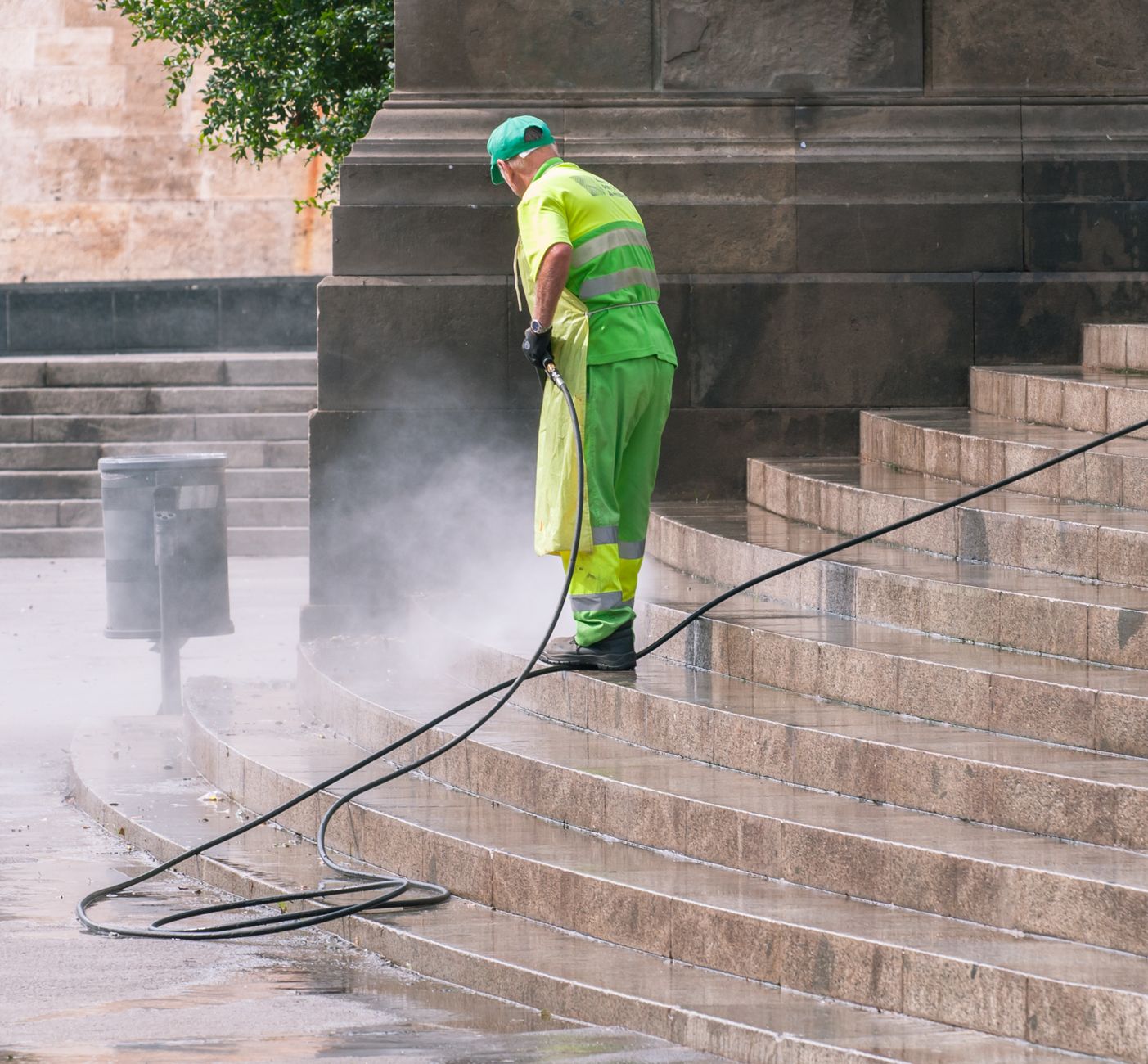
Understanding Exterior Surface Maintenance
Exterior surfaces are constantly exposed to weather, dust, dirt, moisture, leaves, mud, and other environmental elements. Over time, these contaminants can build up and make driveways, patios, walkways, walls, decks, and other outdoor areas appear dull and neglected. Regular cleaning can help remove unwanted buildup before it becomes difficult to manage. Proper maintenance can also make it easier to identify cracks, stains, peeling coatings, and other surface problems at an early stage. Understanding how different cleaning methods work can help property owners maintain attractive and functional outdoor spaces.
Why Regular Outdoor Cleaning Matters
Outdoor surfaces experience continuous exposure to changing weather conditions and everyday activity. Rain can leave behind mineral deposits, while wind can carry dust and debris onto exposed surfaces. Moisture can also encourage the growth of algae, mildew, and other organic contaminants. If these substances remain on a surface for a long period, they can become increasingly difficult to remove. Regular cleaning helps control this buildup and keeps exterior areas looking cleaner and better maintained throughout the year.
Choosing the Right Cleaning Method
Every surface has different characteristics, so the cleaning method should be selected according to the material being treated. Concrete, brick, wood, vinyl, painted surfaces, and masonry may respond differently to water pressure and cleaning products. A technique that works effectively on durable concrete could damage a softer wooden surface or painted wall. Before starting any project, the material should be identified and inspected for existing damage. Choosing the correct cleaning approach can reduce the risk of surface deterioration while helping produce more consistent results.
Preparing the Area Before Cleaning
Proper preparation is an essential part of pressure washing and can make the entire project safer and more organized. Furniture, planters, decorations, toys, and other movable objects should be removed from the cleaning area. Windows, doors, electrical components, outdoor lighting, and delicate landscaping may require protection from water and cleaning products. Existing cracks, loose materials, and damaged coatings should also be identified before cleaning begins. Preparing the area carefully helps prevent accidental damage and allows the cleaning process to focus on the surfaces that require attention.
Selecting Suitable Equipment and Supplies
The equipment used for exterior cleaning can have a major impact on the quality and safety of the results. A suitable machine should provide enough cleaning power without being unnecessarily aggressive toward the surface. Different nozzles and attachments create different spray patterns, allowing the operator to adjust the cleaning method according to the material and area. Cleaning solutions can also help loosen grease, organic growth, and stubborn stains before rinsing. Using appropriate equipment and supplies can improve efficiency while reducing the likelihood of unwanted surface damage.
Using Water Pressure Safely
Water pressure should always be adjusted according to the surface being cleaned rather than simply selecting the highest available setting. Excessive pressure can damage mortar joints, remove paint, create marks in softer materials, or strip away protective coatings. Holding the nozzle too close can also concentrate water in a small area and leave visible damage. Maintaining a suitable distance and moving the spray steadily can provide more even results. Effective cleaning depends on controlled pressure and proper technique rather than maximum power.
Cleaning Concrete and Hard Surfaces
Concrete driveways, patios, sidewalks, and similar surfaces can accumulate dirt, mud, tire marks, oil, leaves, and organic debris. Although concrete is relatively durable, improper cleaning can still create surface problems or leave uneven patterns. Working systematically across the area can help maintain consistent coverage. Heavily stained sections may require pretreatment with a suitable cleaning solution before rinsing. Allowing the solution to work for the recommended amount of time can loosen stubborn contaminants without requiring excessive pressure. Careful cleaning can refresh the appearance of hard surfaces while preserving their condition.
Caring for Wooden Outdoor Surfaces
Wood requires more delicate treatment because excessive pressure can damage its natural fibers and create a rough or uneven appearance. Holding a powerful spray too close to a wooden deck or structure can leave visible lines, gouges, or damaged areas. Lower pressure and an appropriate spray pattern are generally more suitable for wood. Testing a small, less noticeable section before cleaning the entire surface can help determine how the material responds. After cleaning, wood should be allowed to dry thoroughly before any stain, sealant, or protective coating is applied.
Removing Mold Mildew and Organic Growth
Moisture and limited sunlight can create favorable conditions for algae, mildew, mold, and other organic growth. These contaminants may create dark stains and can sometimes make outdoor surfaces slippery. Water alone may remove some visible buildup but may not address all of the underlying organic material. Suitable cleaning solutions can help break down these contaminants before rinsing. Preventing recurring growth may also require attention to drainage, standing water, shade, and vegetation. Addressing these contributing conditions can help surfaces remain cleaner for longer periods.
Improving the Appearance of Outdoor Areas
One of the most noticeable benefits of pressure washing is the visual improvement it can provide to exterior surfaces. Removing accumulated dirt, stains, and organic buildup can restore much of the original appearance of driveways, patios, walkways, siding, and other areas. A cleaner exterior can make a property look better maintained without requiring the replacement of surfaces that are still in good condition. Cleaning can also prepare outdoor spaces for gatherings, seasonal activities, painting projects, or other improvements. The difference can be especially noticeable when heavy buildup has accumulated over a long period.
Protecting Surfaces From Long-Term Damage
Exterior cleaning can contribute to better surface care by removing contaminants before they remain in place for extended periods. Organic growth can retain moisture against surfaces, while dirt and debris may contribute to staining and discoloration. Areas with existing cracks or damaged coatings may be more vulnerable to additional deterioration when moisture accumulates. Cleaning does not replace necessary repairs, but it can make surface problems easier to identify during routine inspections. Keeping surfaces clean can therefore support a broader maintenance strategy and help property owners respond to developing issues sooner.
Preparing Surfaces Before Painting
Exterior cleaning is particularly useful when a surface is going to receive new paint or another protective coating. Dirt, mildew, dust, loose particles, and residue can interfere with the adhesion of new coatings. Cleaning the surface properly creates a better foundation for primer and paint to adhere. However, the surface must be allowed to dry completely before painting begins. Peeling paint, cracks, damaged sections, and other defects should also be repaired before applying new coatings. Proper preparation can improve both the appearance and durability of the finished paintwork.
Maintaining Driveways and Walkways
Driveways and walkways are among the most frequently used exterior surfaces and are exposed to vehicles, foot traffic, weather, dirt, leaves, and other contaminants. Over time, this activity can leave them looking dull and heavily stained. Regular cleaning can remove loose debris and help address discoloration before it becomes deeply established. Oil and grease stains may require specialized cleaning products because water alone may not be sufficient. Keeping these high-use areas clean can improve the overall appearance of the property and make routine maintenance easier.
Cleaning Patios and Outdoor Living Areas
Patios are commonly used for relaxing, dining, entertaining, and spending time outdoors, making their appearance an important part of an outdoor living area. Leaves, food residue, dirt, algae, and weather-related buildup can gradually make patio surfaces look neglected. Proper cleaning can refresh these spaces and prepare them for regular use. Furniture and decorations should be moved before cleaning so the entire surface can be reached. Once cleaning is complete, the area should be allowed to dry thoroughly before furniture and other items are returned.
Considering Environmental Responsibility
Responsible exterior cleaning requires consideration of where wastewater, detergents, oil, and removed contaminants will go. Cleaning products should be selected carefully when working near lawns, gardens, drainage systems, and other sensitive areas. Water containing chemicals or concentrated debris should be managed appropriately instead of being allowed to flow into unsuitable areas. Environmentally responsible products may be preferable when they are suitable for the cleaning task. Good maintenance practices should focus on achieving effective results while minimizing unnecessary effects on surrounding areas.
Avoiding Common Cleaning Mistakes
Several mistakes can reduce cleaning quality or create unnecessary surface damage. Using excessive pressure, choosing an unsuitable nozzle, holding the spray too close, and ignoring existing cracks can cause problems. Incorrect cleaning chemicals can also result in discoloration or damage to protective coatings. Another common mistake is failing to test a small area before treating the entire surface. Taking a controlled approach allows the operator to determine how the material reacts before continuing. Proper technique and preparation are generally more important than simply using the strongest available equipment.
Deciding Between DIY and Professional Service
Some smaller exterior cleaning projects can be completed by homeowners who have suitable equipment and understand how to operate it safely. Durable surfaces may be relatively straightforward when the correct pressure, nozzle, and cleaning solution are selected. Larger projects can present additional challenges, especially when working at height or dealing with delicate materials. Professional cleaners may have specialized equipment and experience with different surface types. The decision should depend on the size of the project, surface condition, available equipment, safety requirements, and desired level of cleaning.
Maintaining Clean Surfaces Throughout the Year
A single deep cleaning can provide excellent results, but regular maintenance helps keep exterior surfaces looking better for longer. Sweeping leaves and debris, removing spills promptly, improving drainage, and controlling nearby vegetation can reduce the amount of buildup between major cleaning sessions. Seasonal inspections can also help identify early signs of algae, mildew, stains, or surface deterioration. Addressing small problems early is generally easier than waiting until heavy contamination has developed. A consistent maintenance routine can reduce future cleaning requirements and help preserve the appearance of outdoor areas.
Understanding Professional Cleaning Benefits
Professional exterior cleaning can be valuable when a project involves large areas, stubborn contamination, difficult access, or multiple surface materials. Experienced operators understand how different surfaces respond to pressure, cleaning solutions, and spray patterns. They can adjust their methods to reduce the risk of damage while working toward consistent results. Professional knowledge can be especially useful when surfaces are older, fragile, or already showing signs of wear. Choosing experienced help can allow property owners to achieve thorough cleaning without taking unnecessary risks with expensive or delicate surfaces.
Planning a Successful Cleaning Project
A successful exterior cleaning project begins with a clear understanding of the areas that need attention and the materials involved. Property owners should inspect surfaces before work begins and identify any cracks, loose materials, stains, or damaged coatings. Nearby objects and sensitive areas should be protected to reduce the chance of accidental damage. Weather conditions should also be considered because surfaces need enough time to dry properly after cleaning. Careful planning makes the process more organized and helps ensure that the right equipment and techniques are used for each area.
Evaluating the Results After Cleaning
After the cleaning process is complete, every treated area should be inspected carefully. Look for remaining stains, uneven cleaning patterns, damaged sections, or areas that may need additional treatment. Some stubborn stains require specialized methods rather than repeated high-pressure cleaning. Surfaces should be allowed to dry completely before their final appearance is evaluated because moisture can temporarily change their color. A thorough inspection helps determine whether the desired results have been achieved and whether additional maintenance or repairs are necessary.
Creating a Long-Term Maintenance Plan
Maintaining clean exterior surfaces requires more than occasional intensive cleaning. Property owners can create a maintenance schedule based on surface type, weather exposure, frequency of use, and the presence of organic growth. Regular sweeping and debris removal can prevent unnecessary buildup, while periodic deep cleaning can address more stubborn contamination. Areas exposed to frequent moisture should be monitored more closely for algae and mildew. A simple maintenance plan can reduce the effort required during future cleaning and help outdoor surfaces remain attractive throughout the year.
Understanding Surface Protection Methods
Cleaning is only one part of maintaining exterior surfaces, and additional protective measures may sometimes be useful. Depending on the material, sealers, stains, coatings, or other protective products can help reduce water absorption and make future cleaning easier. However, these products should be selected according to the specific surface and applied only after it has been properly cleaned and dried. Protective treatments can be particularly useful for materials exposed to frequent moisture or heavy use. Proper surface protection can complement regular cleaning and support longer-lasting exterior maintenance.
Final Thoughts on Exterior Surface Maintenance
Effective exterior cleaning requires more than simply directing water at a dirty surface. It involves choosing suitable equipment, understanding material differences, preparing the work area, using controlled pressure, and selecting appropriate cleaning products. When performed correctly, pressure washing can refresh outdoor surfaces and become an important part of a regular property maintenance routine. Safety and surface protection should always remain priorities throughout the process. A careful approach can provide attractive results without creating unnecessary damage or environmental concerns.Regular maintenance also makes it easier to identify developing problems before they become more difficult or expensive to address. Clean surfaces allow property owners to notice cracks, stains, peeling coatings, organic growth, and other changes during routine inspections. Whether cleaning is completed independently or with professional assistance, the goal should be a clean, protected, and attractive surface that remains in good condition over time. With proper preparation, suitable techniques, and consistent care, exterior areas can maintain their appearance while providing better long-term value.









1 thought on “Everything You Need to Know About Pressure Washing and Proper Exterior Surface Maintenance”
Comments are closed.