

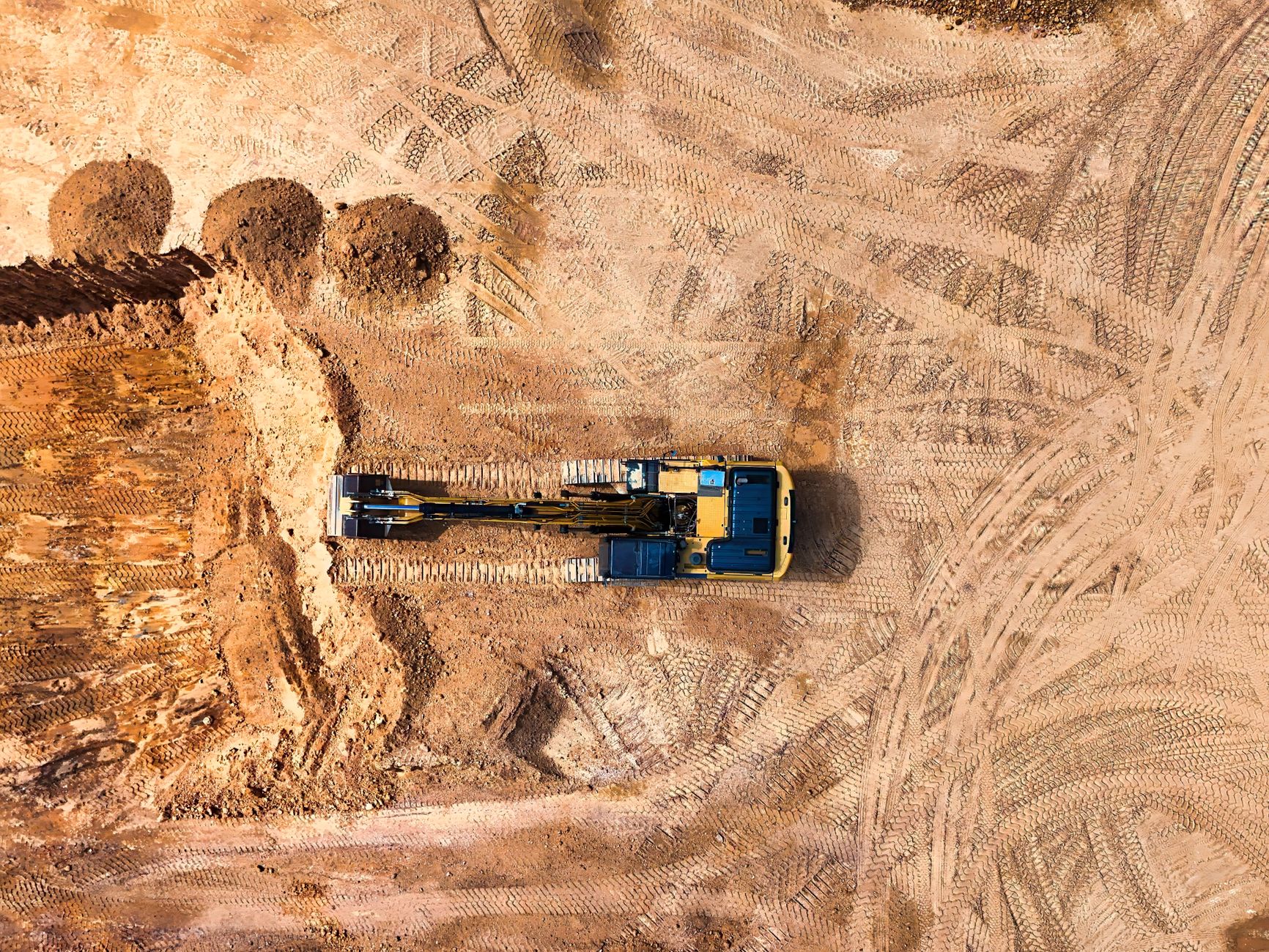
Preparing land correctly is one of the most important stages of a construction project. Before a foundation, driveway, drainage system, retaining wall, or other structure can be installed, the ground must often be shaped and prepared according to specific requirements. Uneven surfaces, unsuitable soil, poor drainage, buried materials, and unstable ground can create complications if they are ignored during the early stages. Excavation and grading help establish the proper foundation for future construction by removing unwanted material, shaping the terrain, creating suitable elevations, and preparing surfaces for additional work. Careful planning during this stage can improve stability, drainage, safety, and efficiency while reducing the possibility of expensive corrections later.
Understanding Excavation and Grading
Excavation and grading are related but distinct processes used to prepare land for construction and improvement projects. Excavation involves removing soil, rock, debris, or other materials from a designated area to create space for foundations, trenches, basements, drainage systems, and other structures. Grading focuses on shaping and leveling the ground to achieve planned elevations and slopes. These processes often work together because excavated material may need to be relocated or reused while the remaining ground is shaped into the desired profile. Understanding how both activities contribute to site preparation helps property owners appreciate why proper groundwork is essential.
Why Proper Site Preparation Matters
The condition of the ground has a direct impact on many aspects of construction. If soil is weak, unstable, poorly compacted, or incorrectly shaped, problems may develop after construction is completed. Uneven settlement can affect paved surfaces, foundations, patios, and other structures. Poor drainage can allow water to collect near buildings or create erosion across exposed soil. Proper site preparation addresses these concerns before additional construction begins. By creating a stable and appropriately shaped surface, contractors can establish better conditions for subsequent stages of the project and reduce the likelihood of avoidable complications.
Assessing Existing Ground Conditions
Before excavation begins, the property should be evaluated carefully. Existing terrain, soil characteristics, drainage patterns, vegetation, structures, access points, and potential obstacles can all influence the work. Contractors may also need to understand the planned location of foundations, utilities, driveways, landscaping, and drainage features. A detailed site assessment helps identify conditions that could affect the project schedule or construction methods. It is much easier to make appropriate decisions before work starts than after equipment has already disturbed the ground. Careful assessment also helps determine which materials may be suitable for reuse and which may need to be removed.
Planning the Excavation Process
Every excavation project should begin with a clear plan that defines the purpose and required dimensions of the excavation. The depth, width, location, and shape of the area should be established before equipment begins digging. Contractors also need to consider nearby structures, underground utilities, soil conditions, access for machinery, and the handling of excavated materials. Proper sequencing is important because excavation may need to occur before utilities, foundations, drainage systems, or other features are installed. A detailed plan can prevent unnecessary digging and help ensure that the work supports the overall construction design.
Selecting Suitable Equipment
The right equipment can significantly influence the speed and efficiency of site preparation. Excavators, loaders, skid steers, trenching equipment, compactors, and other machines are designed for different types of work. Equipment selection depends on the size of the project, type of material being moved, terrain, working space, and required excavation depth. Using appropriate machinery can reduce unnecessary labor and improve productivity. However, heavy equipment must be operated carefully, particularly around existing structures, underground utilities, slopes, and confined areas. Trained operators are essential for safe and effective equipment use.
Managing Excavated Soil
Excavation often produces a considerable amount of soil and other material. Some of this material may be suitable for reuse elsewhere on the property, while other material may be unsuitable for construction or landscaping purposes. Contractors should determine how excavated material will be stored, transported, reused, or disposed of before the project begins. Keeping material organized helps maintain access for machinery and reduces unnecessary handling. Reusing suitable soil can sometimes reduce transportation requirements and improve project efficiency. Proper material management is therefore an important part of planning the overall excavation process.
Understanding Soil Characteristics
Different soil types behave differently when excavated, compacted, and exposed to weather. Clay, sand, gravel, rocky material, and mixed soils each present different challenges. Some soils retain moisture, while others drain quickly. Certain materials may become unstable when disturbed, while others provide stronger support after appropriate preparation. Understanding soil conditions allows contractors to choose suitable excavation, grading, and compaction methods. Soil characteristics can also influence how drainage should be designed and how the finished site will respond to weather over time. Proper evaluation can help avoid problems caused by unsuitable ground conditions.
The Importance of Proper Grading
Grading determines the final shape and elevation of the ground. A properly graded site can provide suitable surfaces for construction while helping control the movement of water. The exact slope depends on the purpose of the area and the overall project design. Foundations, driveways, lawns, patios, drainage channels, and other surfaces may each require different grading considerations. Accurate measurements are important because even relatively small elevation differences can affect how water moves across a property. Proper grading creates a more predictable foundation for the next stages of construction.
Improving Drainage Through Grading
One of the most important purposes of grading is managing surface water. Rainwater naturally follows the slope of the land, which means that poorly shaped terrain can direct water toward buildings, low areas, or other locations where it may cause problems. Proper grading can help guide runoff toward suitable drainage systems or collection areas. This can reduce standing water, erosion, and moisture-related issues. Drainage should be considered before grading begins because changing the natural terrain without understanding water movement can create new problems. A carefully designed grading plan can improve both property function and long-term durability.
Preparing Strong Foundations
Foundations require stable and appropriately prepared ground. Excavation may be necessary to reach the specified depth and create space for foundation components. Unsuitable soil may need to be removed and replaced with appropriate material, while the excavation base may require preparation or compaction. Precise elevations are essential because foundation construction depends on accurate measurements. Errors at this stage can affect the position and stability of the structure above. Careful groundwork provides a more dependable starting point and helps construction teams proceed with greater confidence.
Preparing Driveways and Parking Areas
Driveways and parking areas are exposed to repeated vehicle loads and changing weather conditions, so their underlying surfaces need appropriate preparation. Excavation can remove weak or unsuitable material, while grading creates the required slope and elevation. Base materials can then be placed and compacted according to project requirements. Without proper preparation, paved or surfaced areas may develop cracks, depressions, or uneven sections over time. Good groundwork can improve the durability and appearance of these surfaces while helping water drain away efficiently.
Supporting Landscaping Projects
Landscaping projects often require changes to the existing terrain. Patios, gardens, retaining walls, walkways, lawns, outdoor seating areas, and drainage features may all depend on suitable ground preparation. Grading can create level areas for use while directing water away from sensitive locations. Excavation may also be needed for footings, drainage systems, planting areas, or landscape structures. Coordinating groundwork with the final landscape design can prevent unnecessary rework. It also allows property owners to create outdoor spaces that are both visually appealing and practical.
Installing Underground Utilities
Many construction projects require underground systems such as water lines, electrical conduits, communication cables, drainage pipes, or other infrastructure. Excavation creates the necessary trenches and spaces for these installations. Accurate trench dimensions and elevations can help ensure that utilities are installed according to the project requirements. Existing underground infrastructure must also be identified before digging. Careful planning can reduce the possibility of damaging existing systems and can make utility installation more efficient. Proper coordination between excavation crews and utility installers is particularly important when several systems share the same property.
Prioritizing Utility Safety
Underground utilities represent a significant hazard during excavation. Electrical cables, gas lines, water pipes, and communication systems may not be visible from the surface. Accidentally damaging one can result in injuries, property damage, service interruptions, and expensive repairs. Appropriate utility-location procedures should therefore be completed before excavation begins. Workers should follow established safety requirements and remain alert to unexpected conditions. Utility safety is not something that should be assumed or overlooked simply because previous construction work appears to have been completed correctly.
Protecting Nearby Structures
Excavating close to existing buildings, walls, foundations, fences, driveways, or other structures requires additional planning. Removing soil can change the support conditions around nearby areas. Equipment movement can also create risks when working in confined spaces. Contractors should evaluate the relationship between the excavation area and surrounding structures before work begins. Appropriate precautions may be required depending on soil conditions, excavation depth, and proximity to existing construction. Careful planning can allow new work to proceed while minimizing unnecessary disturbance to established structures.
Following Excavation Safety Practices
Excavation work involves several potential hazards, including unstable soil, falling materials, machinery movement, underground utilities, and hidden voids. Deep trenches may require additional protective measures depending on their conditions and depth. Workers should have safe access to work areas and remain outside unnecessary equipment operating zones. Properly trained personnel should operate machinery and understand the hazards associated with the site. Safety procedures should be followed consistently rather than only when conditions appear dangerous. A safe worksite protects employees, property owners, equipment, and the surrounding environment.
Managing Soil Compaction
Once soil has been moved or placed, compaction may be necessary to create a stable surface. Loose soil contains air spaces and can settle when subjected to moisture, traffic, or structural loads. Compaction reduces these spaces and increases soil density. The appropriate level of compaction depends on the type of soil and the purpose of the finished area. Foundations, driveways, parking areas, and other load-bearing surfaces may require specific compaction standards. Proper testing and preparation can provide greater confidence that the ground is ready for construction.
Preventing Erosion
Newly disturbed soil can be vulnerable to erosion, particularly when exposed to heavy rain or flowing water. Poorly controlled runoff can remove soil from graded areas and alter the intended elevations. Contractors should consider erosion-control measures appropriate to the site and project. Proper drainage, vegetation, protective coverings, and other stabilization techniques may help reduce soil loss. Preventing erosion during and after grading protects the work that has already been completed and helps maintain the desired shape of the property. Long-term stabilization should be included in the overall site preparation plan.
Maintaining Accurate Elevations
Accurate elevation control is essential for quality grading. Contractors may use surveying tools, laser levels, GPS-based equipment, and other measurement systems to establish and verify the intended grades. Measurements should be checked throughout the project rather than relying on a single initial assessment. This is particularly important where several surfaces meet, such as around foundations, driveways, drainage structures, sidewalks, and landscaping features. Accurate elevations help ensure that the completed property functions as intended and that water moves toward appropriate drainage locations.
Handling Excess Materials
Large excavation projects can generate significant amounts of excess soil, rock, and debris. If these materials are not managed properly, they can interfere with equipment movement and create unnecessary clutter around the worksite. Contractors should establish a material-handling plan before excavation begins. Suitable material may be reused for filling or grading, while unsuitable material may require transportation and disposal. Organizing this process helps maintain a safer and more efficient worksite. It can also reduce unnecessary hauling and make better use of materials already available on the property.
Considering Weather Conditions
Weather can influence excavation and grading in several ways. Heavy rain can saturate soil, create mud, and make equipment movement more difficult. Extremely dry conditions may produce dust and affect certain soil characteristics. Freezing temperatures can also change how some ground materials behave. Contractors should monitor conditions and adjust work schedules when necessary. Continuing operations in unsuitable conditions can reduce grading accuracy and create compaction or safety problems. Allowing the ground to reach appropriate conditions before proceeding can improve the quality of the finished work.
Managing Difficult Terrain
Slopes, rocky areas, soft ground, ditches, and uneven surfaces can make excavation and grading more challenging. Equipment stability becomes particularly important when machinery operates on sloped or irregular terrain. Thick vegetation may also hide obstacles that become visible only after clearing begins. Contractors should evaluate difficult areas carefully and select equipment and methods that match the conditions. In some cases, smaller equipment or specialized techniques may provide better control than large machinery. Proper planning can reduce risks while helping achieve the desired final grades.
Reducing Unnecessary Disturbance
Effective site preparation should modify only the areas that require changes. Excessive excavation or grading can disturb established vegetation, soil structure, and drainage patterns. A carefully planned approach can limit unnecessary disturbance and reduce restoration work later. Protecting trees, plants, and other areas outside the construction zone can also improve the overall appearance of the property. Equipment routes should be planned to avoid damaging completed surfaces or sensitive areas. Controlled site disturbance contributes to more efficient and responsible construction.
Working With Experienced Contractors
Complex groundwork projects often benefit from professional experience. Skilled contractors understand how soil, terrain, drainage, equipment, and construction requirements interact. They can evaluate the site, recommend appropriate methods, manage materials, and coordinate the work with other construction activities. Experienced crews may also have access to specialized machinery and measurement equipment that improves precision. For projects involving deep excavation, extensive grading, difficult terrain, or major structural work, professional expertise can provide valuable support and reduce the risk of preventable problems.
Coordinating With Construction Teams
Excavation and grading rarely occur in isolation. The prepared ground may need to support foundation crews, utility installers, paving contractors, landscapers, or other professionals. Proper scheduling and communication can help each team complete its work without interfering with another stage of the project. For example, utility trenches may need to be completed before final grading, while foundation excavation must occur before structural work begins. A coordinated schedule can reduce duplicated labor, unnecessary soil movement, and damage to completed work.
Planning for Long-Term Performance
Good site preparation should account for how the property will function after construction is finished. Drainage patterns, soil settlement, erosion, traffic loads, landscaping, and maintenance requirements can all influence long-term performance. A grading plan should therefore be developed with the finished property in mind rather than focusing only on immediate construction needs. Proper preparation can help surfaces remain stable and drainage systems operate effectively. Long-term thinking can also reduce maintenance requirements and protect the investment made in the construction project.
Avoiding Common Mistakes
Several mistakes can create problems during excavation and grading. Starting work without confirming underground utilities, failing to plan for excess soil, ignoring drainage, using inappropriate equipment, and neglecting compaction are common examples. Another frequent mistake is failing to verify elevations throughout the process. These issues can lead to delays, additional costs, drainage problems, or uneven surfaces. Careful planning and regular inspections can help identify potential problems early. Spending additional time on preparation is often far more efficient than correcting major issues after construction has progressed.
Final Thoughts
Excavation and grading are essential processes for preparing land for construction, landscaping, drainage improvements, and property development. Excavation creates the necessary space for foundations, utilities, drainage systems, and other structures, while grading establishes the elevations and slopes required for stability and effective water management. Successful site preparation depends on accurate measurements, suitable equipment, appropriate soil management, careful drainage planning, and consistent attention to safety. By approaching groundwork as an important part of the entire construction process, property owners and contractors can create better conditions for future development. Proper preparation can support stronger foundations, improve drainage, reduce maintenance problems, and contribute to a more durable and functional finished property.








2 thoughts on “The Importance of Excavation and Grading for Building Strong Foundations, Improving Drainage, and Preparing Construction Sites”
Comments are closed.