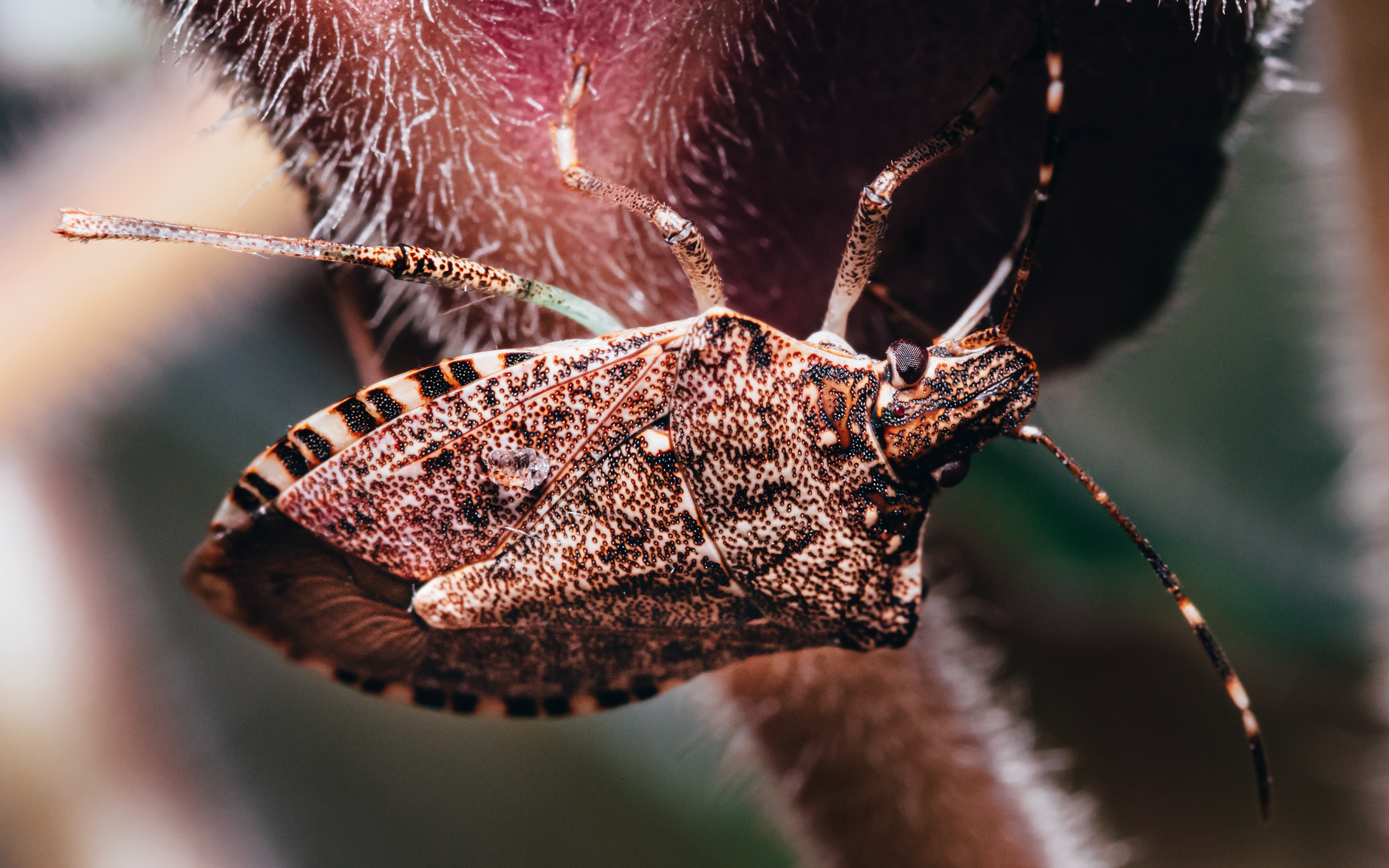
Bed bugs are among the most troublesome household pests because they can survive in small spaces and remain hidden for long periods. These tiny insects feed primarily on blood and are especially active when people are sleeping, which makes their presence both frustrating and uncomfortable. Although bed bugs do not usually cause serious disease, their bites can lead to itching, skin irritation, sleepless nights, and considerable stress. A small infestation can quickly become a larger problem when the insects spread to mattresses, bed frames, furniture, clothing, carpets, and other nearby areas. Understanding how bed bugs behave is one of the most important steps toward dealing with them effectively. Many people initially notice itchy bites but do not immediately realize that bed bugs may be responsible. Others discover dark spots, shed skins, eggs, or live insects around sleeping areas. Taking action as soon as signs appear can make treatment considerably easier. Professional bed bug control can also be valuable when an infestation has become established or when repeated household treatments have failed.
Understanding Bed Bug Behavior
Bed bugs are small, flat insects that have adapted remarkably well to living close to humans. Their bodies allow them to hide inside narrow cracks, seams, crevices, and other protected spaces where they are difficult to see during the day. They generally emerge when their hosts are resting and can travel surprisingly far in search of a meal. Because they are excellent at hiding, finding one visible insect does not necessarily mean there is only one insect present. A female can lay numerous eggs during her lifetime, and newly hatched nymphs can gradually develop into adults when suitable conditions are available. Their ability to hide in furniture and belongings also makes accidental transportation a common way for infestations to spread. Bed bugs can move between rooms through luggage, clothing, furniture, bedding, and other personal items. They may also remain concealed in objects that are moved from one property to another. For these reasons, successful treatment requires more than simply killing the insects that happen to be visible.
Recognizing the Warning Signs
Early detection can make a major difference when dealing with a bed bug problem. One of the most common warning signs is waking up with small, itchy marks on areas of skin that were exposed during sleep. However, bites alone are not enough to confirm an infestation because several other insects and skin conditions can produce similar reactions. A more reliable approach is to inspect the sleeping area carefully for physical evidence. Small dark stains on sheets or mattresses may indicate bed bug activity, while pale shed skins can be found near hiding places. Tiny eggs or eggshells may also appear in mattress seams, furniture joints, cracks, and other sheltered locations. Live insects are generally reddish-brown and relatively small, although their appearance can vary depending on whether they have recently fed. A musty or unpleasant odor may sometimes become noticeable when an infestation is substantial. Regular inspections can therefore help identify a problem before it becomes widespread and more difficult to eliminate.
Why Bed Bugs Are Difficult to Remove
One reason infestations can be so persistent is that bed bugs are capable of hiding in places that ordinary cleaning does not reach. They may retreat deep into mattress stitching, behind headboards, inside bed frames, under furniture, behind loose wallpaper, and within small cracks around a room. Vacuuming visible insects may reduce the population, but it does not necessarily remove every egg or hidden insect. Similarly, changing sheets frequently can improve cleanliness without eliminating the infestation itself. Some bed bugs can also survive for extended periods without feeding, allowing them to remain hidden when people assume the problem has disappeared. Another challenge is that eggs may hatch after an initial treatment, creating a new generation that requires additional attention. Certain populations may also show reduced sensitivity to some commonly used insecticides. These characteristics mean that treating an infestation requires patience, careful inspection, and a strategy that addresses both visible and hidden insects. Relying on a single quick solution can therefore result in temporary improvement rather than complete elimination.
Preparing the Home for Treatment
Proper preparation can significantly improve the effectiveness of any treatment approach. Before beginning, bedding should be removed carefully and placed in sealed bags so that insects are not accidentally transported to other areas. Washable fabrics can generally be laundered using appropriate heat settings, while items that cannot be washed may require another suitable treatment method. Clutter around beds and furniture should be reduced because unnecessary objects provide additional hiding places. Items should not simply be moved from an infested room into another part of the home, as this can spread the insects. Vacuuming mattresses, bed frames, floors, furniture seams, and other accessible areas can help remove insects and debris. The vacuum contents should then be handled carefully so that captured insects cannot escape. Where possible, furniture should be moved slightly away from walls to make inspection and treatment easier. Thorough preparation gives homeowners or pest professionals better access to areas where bed bugs are most likely to hide.
Cleaning and Heat-Based Methods
Heat can be an important part of a comprehensive strategy because bed bugs and their eggs are vulnerable to sufficiently high temperatures when exposure is properly managed. Washing and drying bedding, clothing, and other suitable fabrics according to their care instructions can help reduce insects that may be hiding among them. A dryer using an appropriate high-heat cycle can be particularly useful for items that can safely tolerate that temperature. However, simply placing an item near a warm window or using ordinary household heating is not necessarily enough to eliminate an infestation. Professional heat treatment, when appropriate, involves carefully raising temperatures in affected areas and monitoring conditions to ensure adequate exposure. Steam can also be useful when applied correctly to suitable surfaces, particularly around seams, cracks, and other locations where insects may be hiding. These approaches need to be performed carefully because improper heat or steam use can damage belongings or create safety risks. Cleaning should therefore be viewed as one component of an integrated treatment plan rather than a guaranteed stand-alone solution. Combining sanitation, inspection, physical removal, and appropriate treatment methods generally provides a stronger approach.
The Role of Vacuuming and Physical Removal
Vacuuming is a practical step that can help reduce the number of insects and eggs in accessible areas. Special attention should be given to mattress seams, bed frames, furniture joints, floor edges, carpets, and cracks where insects may gather. A vacuum attachment can make it easier to reach narrow spaces without disturbing the surrounding area excessively. It is important to move slowly because bed bugs can cling to surfaces and may otherwise escape the suction path. After vacuuming, the contents of the vacuum should be emptied or disposed of in a manner that prevents surviving insects from escaping back into the home. Repeated vacuuming may be necessary because insects can emerge from hiding places after the initial cleaning. Physical removal is particularly helpful when combined with other treatment methods rather than used alone. It can also reduce the population while a longer-term treatment plan is being implemented. Consistency is important because one cleaning session rarely reaches every hiding place associated with an established infestation.
Protecting Mattresses and Sleeping Areas
The bed is often the most important area to address because it provides convenient access to a sleeping host. Mattress and box spring encasements designed for bed bugs can help isolate insects already inside and make future inspections easier. These covers should be durable, properly fitted, and kept securely closed so that insects cannot escape through openings. The bed frame should also be inspected carefully, especially around joints, screw holes, cracks, and attachment points. Keeping the bed slightly separated from surrounding furniture can make monitoring easier and reduce potential pathways. Some people also use monitoring devices beneath bed legs to help detect activity and reduce insect movement toward the sleeping area. Bedding should be kept from touching the floor where practical, since this can provide another route for insects to reach the bed. Regularly inspecting the mattress and nearby furniture can help identify new activity early. A well-organized sleeping area makes it easier to monitor whether treatment is working and whether additional action is required.
Using Professional Treatment Approaches
When an infestation is extensive, professional assistance may provide a more systematic solution. Experienced pest professionals can inspect rooms carefully, identify likely hiding locations, determine the scale of the infestation, and recommend an appropriate treatment strategy. Depending on the circumstances, treatment may involve heat, targeted insecticide applications, steam, vacuuming, monitoring, or a combination of several methods. A professional approach is particularly useful when insects have spread into multiple rooms or when repeated do-it-yourself efforts have produced only temporary results. Specialists can also help identify areas that homeowners might overlook, such as furniture joints, wall gaps, electrical areas, and concealed structural spaces. Effective bed bug control is usually based on treating the infestation as a process rather than expecting one application to solve everything immediately. Follow-up inspections can be important because eggs may survive an earlier treatment and hatch later. Homeowners should follow all preparation, treatment, and follow-up instructions carefully to improve the chances of complete elimination.
Avoiding Common Treatment Mistakes
Several common mistakes can make a bed bug infestation harder to manage. One frequent error is throwing away mattresses or furniture without first treating the surrounding area, because insects may already have moved into other parts of the room. Another mistake is moving belongings between rooms, which can unintentionally spread the infestation throughout the home. Excessive use of household insecticides can also be problematic, particularly when products are applied in ways that do not follow their labels. Foggers and similar products may not reach insects hiding deep inside cracks and furniture, while improper use can create unnecessary health and fire hazards. People may also stop treatment as soon as they stop seeing live insects, even though eggs or hidden nymphs may remain. Scrubbing or spraying every visible surface repeatedly is not necessarily more effective than using a carefully planned strategy. The best approach is to identify the infestation accurately, reduce opportunities for spread, and use methods appropriate for the affected environment. Avoiding rushed decisions can save both time and money while improving the likelihood of successful treatment.
Preventing Future Infestations
Once an infestation has been eliminated, prevention becomes an important part of maintaining a pest-free environment. Travelers should inspect luggage and clothing after returning from trips, particularly if they stayed in unfamiliar sleeping environments. Suitcases should be kept away from beds and upholstered furniture when possible until they have been inspected. Secondhand furniture should also be examined carefully before being brought indoors, especially mattresses, couches, bed frames, and upholstered items. Regular vacuuming and general household organization can make inspections easier, although cleanliness alone does not guarantee protection from bed bugs. When purchasing used items, checking seams, joints, undersides, and concealed areas can help identify potential signs before the item enters the home. Early attention to suspicious insects or unexplained evidence can prevent a small problem from developing into a larger infestation. Protective mattress encasements and monitoring devices may also support ongoing inspection efforts. Prevention is ultimately about reducing opportunities for bed bugs to enter, hide, reproduce, and spread unnoticed.
Creating a Long-Term Treatment Strategy
A successful response depends on consistency because bed bug infestations rarely disappear simply because a few insects have been removed. The first stage should involve identifying the affected areas and determining how far the insects may have traveled. The next stage is preparation, including laundering suitable fabrics, reducing clutter, vacuuming accessible areas, and isolating potentially infested belongings. Treatment should then focus on hiding places rather than only the insects that can be seen. Follow-up inspections are essential because newly hatched insects can appear after an initial treatment. Monitoring devices can provide useful information about continuing activity and help determine whether additional treatment is necessary. Household members should communicate with one another so that everyone follows the same precautions and does not accidentally spread infested belongings. If professional treatment is being used, all instructions should be followed carefully before and after each service. With persistence, careful monitoring, and an appropriate combination of treatment methods, even difficult infestations can be brought under control.
Final Thoughts
Bed bugs are challenging pests, but understanding their behavior and responding quickly can make the problem much more manageable. The most effective strategy combines early detection, careful preparation, physical removal, appropriate heat or steam methods, targeted professional treatment when necessary, and continued monitoring. Simply cleaning visible areas or replacing bedding may not address insects hidden inside furniture, cracks, mattresses, and other protected spaces. Preventing the spread of belongings is equally important because bed bugs can travel easily when infested items are moved around the home. A methodical approach also reduces the temptation to rely on unsafe or ineffective shortcuts. If signs of an infestation continue despite repeated efforts, seeking professional assistance can help identify hidden activity and create a more comprehensive treatment plan. Consistent follow-up is especially important because surviving eggs can lead to renewed activity after an initial treatment. With informed action and dependable bed bug control, homeowners can work toward eliminating existing infestations and reducing the risk of future problems.