

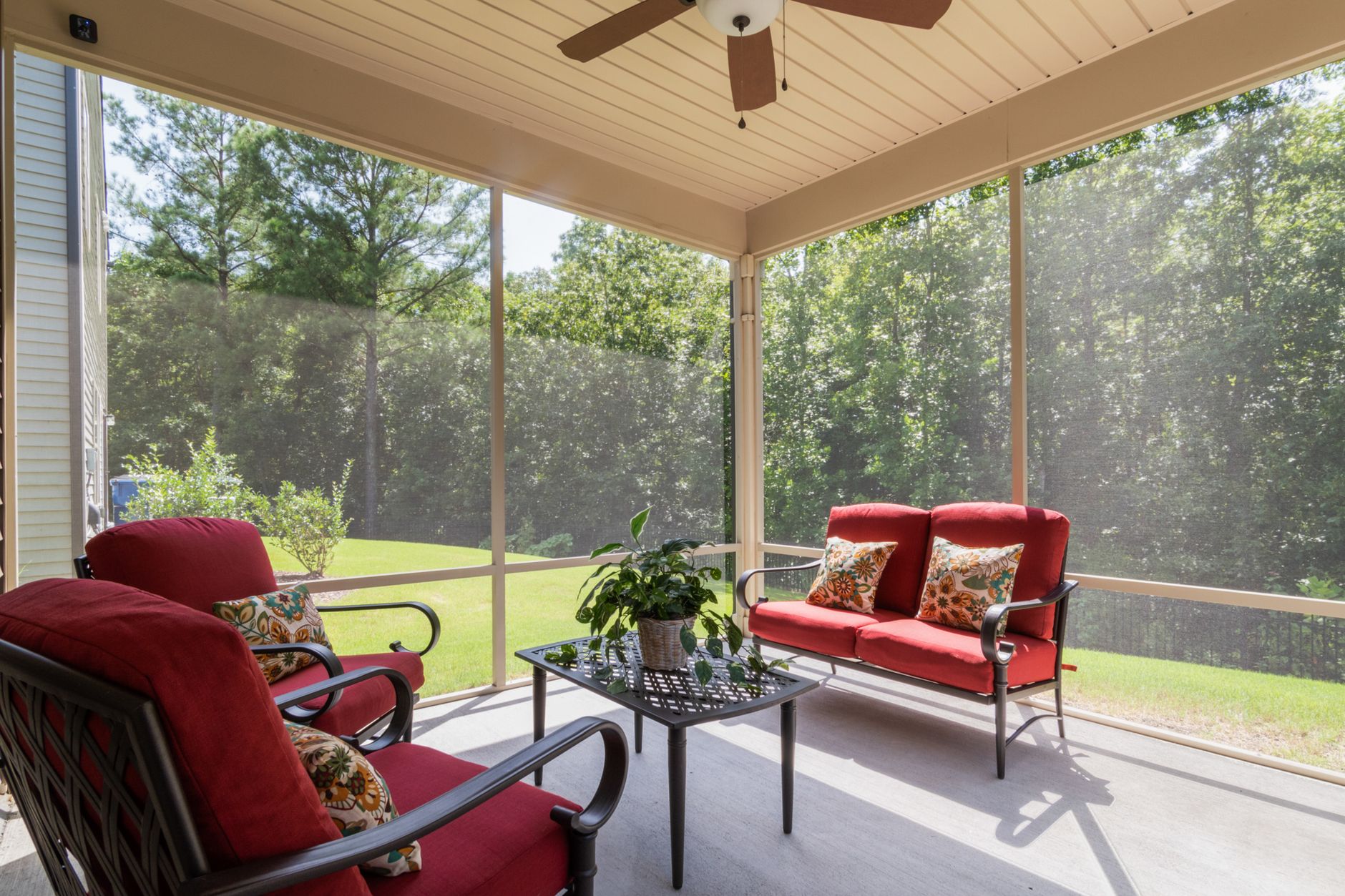
Modern homes are increasingly designed around flexible spaces that can serve different purposes throughout the day and across the seasons. Outdoor areas such as patios, porches, balconies, decks, and covered entertainment spaces can add tremendous value to a property, but their usefulness can be limited by insects, excessive sunlight, wind, and a lack of privacy. A practical screening solution can help homeowners enjoy these spaces more comfortably without permanently closing them off from the outdoors. Retractable screens provide a flexible way to create a more comfortable environment while maintaining the open-air character that makes outdoor living appealing. Unlike permanent barriers, they can be adjusted according to changing weather, activity, and personal preferences. This combination of convenience, appearance, and flexibility has made screening systems an increasingly popular feature in modern residential design.
What Are Retractable Screens?
Retractable screens are flexible screening systems designed to cover openings when protection or privacy is needed and disappear from view when an unobstructed opening is preferred. They generally operate through a rolling, sliding, folding, or motorized mechanism that allows the screen material to move smoothly along a designated track or housing. Depending on the design, they can be installed across doors, windows, patios, porches, garages, and other large openings. The screen material is typically made from durable mesh that allows airflow and visibility while helping reduce the entry of insects and outdoor debris. Some systems are manually operated, while others use motors, remote controls, wall switches, or smart-home technology. Because they can remain neatly stored when not required, these systems offer a practical alternative to fixed screening solutions.
Why Flexible Screening Matters
One of the greatest advantages of a retractable screening system is its ability to adapt to different situations. A homeowner may want an open patio during a cool evening but prefer protection from mosquitoes after sunset. Similarly, a screened porch may be useful during the daytime but unnecessary when the weather is pleasant and the view is the main attraction. Fixed screens cannot provide this level of flexibility because they remain in place regardless of changing conditions. A retractable design allows homeowners to decide when they want an open connection with the outdoors and when they need an additional layer of protection. This adaptability can make an outdoor area more useful throughout the year. It also allows homeowners to maintain the original architectural appearance of an opening instead of permanently covering it with a visible screen.
Protection From Insects
Insects are one of the most common reasons people avoid spending time outdoors, especially during warmer months. Mosquitoes, flies, gnats, and other pests can quickly turn a relaxing evening into an uncomfortable experience. Retractable screens can create a physical barrier that helps prevent many flying insects from entering a protected area while still allowing fresh air to circulate. This can be especially helpful around dining areas, outdoor kitchens, seating spaces, and entertainment zones where people naturally spend extended periods. Instead of relying entirely on candles, sprays, or other temporary solutions, screening provides a passive layer of protection whenever it is needed. The ability to pull the screen away when insects are less active also means the homeowner does not have to keep the barrier permanently closed.
Maintaining Natural Airflow
A common concern with enclosing an outdoor space is that it may begin to feel closed in or poorly ventilated. Quality mesh is designed to provide airflow while still offering a degree of separation from the surrounding environment. This means homeowners can enjoy fresh air without necessarily exposing themselves to every outdoor nuisance. Proper airflow can also contribute to a more comfortable temperature within covered areas, particularly when there is a natural breeze. Screens can therefore provide protection without creating the heavy, enclosed feeling associated with solid doors or walls. For people who value natural ventilation, this balance between openness and protection can be one of the most attractive features of a screening system.
Improving Privacy and Personal Comfort
Outdoor living spaces are often visible from neighboring properties, streets, or other surrounding areas, which can make some homeowners hesitant to use them for relaxation. Certain screen fabrics can provide additional privacy by reducing direct visibility while maintaining airflow and natural light. This can make patios and porches feel more personal without requiring permanent walls or large privacy structures. Depending on the mesh and installation style, the screening can also help soften the visual connection between an outdoor area and its surroundings. Privacy needs vary considerably, so homeowners should consider how much visibility they want to preserve before selecting a material. The right combination of mesh density, color, and placement can create a comfortable balance between openness and seclusion.
Enhancing Outdoor Entertainment
A well-designed outdoor area can become an extension of the home's living space, providing room for meals, conversations, celebrations, and quiet relaxation. Retractable screens can make these spaces more practical for entertaining because they allow homeowners to respond quickly to changing environmental conditions. Screens can be deployed before guests arrive if insects are expected, or they can remain open when the weather is comfortable. This flexibility can be particularly valuable for outdoor dining because food and beverages may attract insects that would otherwise make the experience unpleasant. Screening can also create a more defined entertainment zone without requiring permanent construction. As a result, an outdoor space can transition between an open patio, a protected gathering area, and a more private retreat with relatively little effort.
Choosing the Right Screen Material
The performance of a screen depends heavily on the material used in its construction. Different mesh options can provide varying levels of insect protection, visibility, airflow, solar control, and privacy. Standard insect mesh may be appropriate for homeowners primarily concerned with keeping bugs outside, while stronger or specialized materials may be preferable for high-use areas. Solar-control fabrics can help reduce glare and heat entering a space, which may be useful around large windows or sun-exposed patios. Privacy-oriented mesh can reduce visibility while maintaining a reasonable amount of natural light. Homeowners should consider the primary purpose of the screening system before selecting a material rather than choosing solely on appearance or initial cost.
Manual and Motorized Options
Modern screening systems are available in both manual and motorized configurations, allowing homeowners to choose an operating method that suits their lifestyle and budget. Manual systems are often straightforward to operate and can be an economical choice for smaller openings or areas that do not require frequent adjustment. Motorized systems provide additional convenience, particularly when screens are large, heavy, or installed in difficult-to-reach locations. Some advanced systems can be operated with remote controls, wall-mounted switches, timers, or smart-home platforms. Automation can also allow several screens to be controlled together, which is useful when multiple openings are installed around a property. The best choice depends on factors such as opening size, frequency of use, accessibility, desired convenience, and overall project budget.
Design and Appearance
Homeowners often want practical improvements without compromising the visual character of their property. A well-designed screening system can complement modern, traditional, minimalist, or transitional architecture when the frame, housing, and fabric are selected carefully. Slim profiles and coordinated colors can help the system blend with existing doors, windows, walls, and outdoor structures. When the screen is retracted, the opening can remain visually open and unobstructed, preserving views and architectural lines. This is an important advantage for properties where appearance is just as important as functionality. Rather than looking like a permanent addition, a thoughtfully installed screen can become an integrated part of the home's overall design.
Energy and Sunlight Considerations
Screening systems can also influence the amount of sunlight and heat entering an outdoor-adjacent space. Specialized fabrics may help reduce solar exposure by filtering some of the sun's energy before it reaches windows, furniture, flooring, or people. Reducing direct sunlight can make certain areas more comfortable during bright periods of the day and may help protect interior furnishings from prolonged exposure. However, performance varies significantly depending on fabric type, opening orientation, climate, and installation design. Homeowners interested in solar control should discuss these factors with a qualified installer before choosing a particular mesh. Selecting the right fabric can make a significant difference in comfort while still preserving desirable views and daylight.
Installation Considerations
Proper installation is essential for reliable performance and long-term durability. Before installation begins, measurements should be taken carefully to determine the appropriate screen size, mounting configuration, and track placement. The installer should also evaluate the condition of the surrounding structure because uneven surfaces, inadequate attachment points, or unusual opening dimensions can affect operation. Large openings may require specialized hardware or stronger support systems than smaller windows and doors. Professional installation can help ensure that the screen moves smoothly, remains properly aligned, and seals effectively along the edges. Taking time to plan the installation correctly can prevent many common problems and help the system perform as intended.
Maintenance and Long-Term Care
Like any home improvement feature, a screen system benefits from regular maintenance. Dust, pollen, leaves, and other outdoor debris can accumulate on mesh and tracks over time, potentially affecting movement and appearance. Gentle cleaning with appropriate tools can help maintain the fabric without damaging delicate materials. Tracks and moving components should also be inspected periodically for dirt, obstructions, or signs of wear. Motorized systems may require additional attention to electrical components, controls, and mechanical parts. Following the manufacturer's maintenance recommendations can extend the service life of the system and reduce the likelihood of avoidable repairs.
Common Applications
The versatility of retractable screens makes them suitable for many different parts of a property. They can be used for large patio openings, porch enclosures, garage entertainment areas, outdoor kitchens, balconies, sunrooms, and oversized doors. Some homeowners use them to create temporary outdoor rooms, while others install them primarily for insect control or privacy. Businesses and hospitality spaces may also use screening systems to make patios more comfortable for customers without permanently enclosing them. Because each application has different requirements, the screen size, mesh, operating system, and mounting method should be selected according to the specific environment. A professional assessment can help determine which configuration provides the best balance of function, appearance, and durability.
Factors to Consider Before Buying
Before investing in a screening system, homeowners should identify the primary problem they want to solve. If insects are the main concern, a fine insect mesh may be the most important feature, while solar exposure may make a specialized fabric more appropriate. The dimensions of the opening should be measured accurately, and the frequency of use should be considered when deciding between manual and motorized operation. Homeowners should also think about maintenance requirements, color choices, privacy needs, wind exposure, and the overall appearance of the installation. Budget is another important consideration because larger openings and motorized systems generally require a greater investment. Comparing materials, warranties, installation methods, and long-term performance can help ensure that the selected system delivers good value rather than simply the lowest initial price.
Why Quality Matters
Not every screening product is designed to provide the same level of performance. Quality construction can influence how smoothly a screen operates, how well the mesh holds its shape, and how effectively the system withstands regular use. Strong frames, dependable tracks, durable fabrics, and properly engineered mechanisms can contribute to a longer service life. Poorly manufactured or improperly installed systems may develop issues such as sagging mesh, difficult operation, loose tracks, or premature wear. For this reason, homeowners should evaluate the reputation of the manufacturer and installer rather than focusing exclusively on price. A higher-quality system may cost more initially but can offer greater reliability and fewer maintenance concerns over time.
Making Outdoor Spaces More Usable
The true value of a screening system comes from how much more often an outdoor space can be used. A patio that is uncomfortable because of insects or intense sunlight may otherwise sit unused for long periods. Adding flexible protection can transform that area into a practical place for morning coffee, family meals, evening gatherings, reading, or relaxation. Retractable screens allow homeowners to adjust the environment instead of accepting the same conditions throughout the day. This can make outdoor areas feel like a natural extension of the interior living space while preserving the ability to open everything up when desired. The result is not simply another home accessory but a flexible feature that can improve everyday comfort.
Final Thoughts
A modern screening system can provide an effective combination of comfort, convenience, protection, and visual appeal without permanently closing an outdoor space. Retractable screens are particularly valuable because they can adapt to changing weather, insect activity, privacy needs, and personal preferences. With the right fabric, operating mechanism, and professional installation, they can enhance patios, porches, doors, windows, and other openings while maintaining airflow and outdoor views. Homeowners should carefully evaluate their specific requirements before selecting a system, paying attention to material quality, opening dimensions, maintenance, automation, and design. A well-chosen solution can make outdoor areas more enjoyable while supporting a home's overall functionality and appearance. As outdoor living continues to become an important part of residential design, flexible screening remains a practical way to create spaces that can change according to the moment.










1 thought on “Retractable Screens: A Practical Guide to Comfort, Style, and Modern Outdoor Living”
Comments are closed.