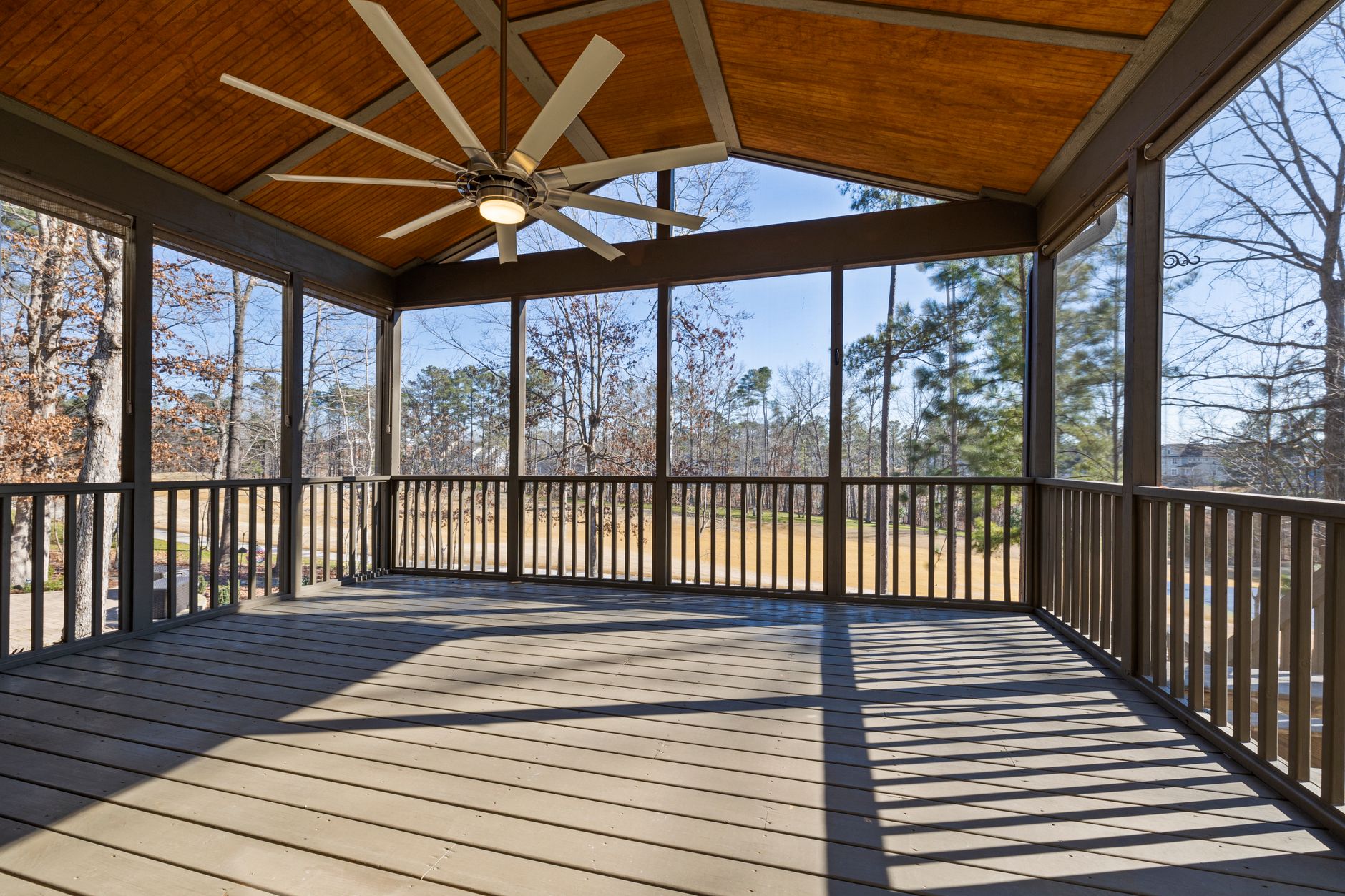
A thoughtfully designed Porch can add both practical living space and visual character to a home, creating a comfortable transition between indoor rooms and the surrounding outdoor environment. It can be used for quiet mornings, family conversations, casual meals, entertaining guests, or simply enjoying fresh air without leaving the comfort of the property. Because this space is exposed to changing weather conditions, its design should combine attractive details with durable construction and sensible maintenance requirements. Homeowners should consider the intended purpose, available space, materials, furniture, lighting, privacy, shade, and safety before beginning a project. A well-planned outdoor structure can complement the architectural style of a home while making outdoor living more convenient and enjoyable. It is also important to think about long-term maintenance because even high-quality materials require some level of care. Careful planning can prevent expensive modifications and ensure that every part of the space contributes to its usefulness. With the right approach, an outdoor area can become a valuable extension of the home that remains attractive and functional for many years.
Determine How You Will Use the Space
The first step in planning an outdoor living area is deciding how it will actually be used. Different lifestyles require different layouts, sizes, and features, so homeowners should identify their priorities before making design decisions. Someone who wants a quiet reading area may need only comfortable seating, shade, and soft lighting, while a family that regularly entertains guests may require more space for tables, chairs, food preparation, and movement. Homeowners should consider whether the area will primarily be used during mornings, afternoons, evenings, or throughout the year. Seasonal use can influence decisions about roofing, screens, heating, fans, and weather protection. The number of people who will regularly use the space should also be considered when determining dimensions. Storage requirements are another important factor because cushions, outdoor accessories, and seasonal items need to be kept somewhere convenient. By identifying these needs early, homeowners can create a Porch that supports their lifestyle instead of simply adding another attractive feature to the property.
Select Durable Materials
Material selection has a direct impact on the appearance, performance, maintenance requirements, and lifespan of an outdoor structure. Wood is often chosen for its natural appearance and versatility, while composite materials can appeal to homeowners who want a lower-maintenance alternative. Other materials may be suitable depending on the structure's design and the homeowner's preferences. When comparing options, it is important to consider more than the initial purchase price. Durability, resistance to moisture, ease of cleaning, color retention, and future repair requirements can all affect the long-term value of the investment. Structural components should be strong and appropriate for outdoor use, while visible finishes should complement the home. Fasteners and hardware should also be selected carefully because unsuitable components can deteriorate over time. Homeowners should discuss the available options with an experienced professional before making a final decision. Choosing suitable materials from the beginning can help ensure that the Porch remains attractive and dependable despite regular exposure to outdoor conditions.
Plan the Layout Carefully
An effective layout should make the available space comfortable, accessible, and easy to use. Homeowners should consider the position of doors, stairs, walkways, furniture, and surrounding landscaping when developing the design. Furniture should not block entrances or create narrow pathways that make movement difficult. If the area is large enough, different zones can be created for dining, relaxing, and entertaining. Smaller spaces can benefit from multifunctional furniture that provides seating and storage without taking up excessive room. The placement of tables and chairs should allow people to sit comfortably while leaving sufficient space for others to move around them. Homeowners should also consider how the outdoor structure connects with the rest of the property so that the transition feels natural. A carefully planned layout can make a space feel significantly larger and more organized than its actual dimensions might suggest. When these details are considered during the design stage, the Porch can become a practical outdoor room rather than an area that is difficult to furnish or navigate.
Add Shade and Weather Protection
Weather protection can greatly increase the comfort and usefulness of an outdoor living space. Direct sunlight may make seating areas uncomfortable during certain parts of the day, while rain and wind can discourage outdoor activities. A roof provides permanent protection and can also help define the structure as a true extension of the home. Additional options include retractable shades, outdoor curtains, screens, umbrellas, and adjustable coverings. Homeowners should consider how much protection they need and how the chosen solution will affect natural light and airflow. Fans can improve circulation in covered areas, while screens can provide additional privacy and help reduce exposure to insects. The position of the sun throughout the day should also be considered when deciding where seating and shaded areas should be located. Weather protection is most effective when incorporated into the original design rather than added later. A properly planned Porch can provide a comfortable outdoor environment during a wider range of weather conditions and allow homeowners to enjoy the space more frequently.
Improve Lighting and Evening Comfort
Outdoor lighting is an important feature that can improve safety, appearance, and usability after sunset. A layered lighting plan can provide general illumination while highlighting specific areas such as stairs, entrances, seating zones, and architectural details. Ceiling fixtures can provide broad lighting, while wall-mounted fixtures can make entrances easier to navigate. Step and pathway lighting can reduce the risk of trips and falls in areas where changes in elevation occur. Decorative lights can create a warm atmosphere for evening gatherings without overwhelming the space with excessive brightness. Energy-efficient fixtures can help reduce operating costs and provide reliable performance over time. Homeowners should consider electrical requirements before construction begins because installing wiring after the structure is completed may be more difficult. Lighting controls, timers, and dimmers can provide additional flexibility. When carefully integrated into the overall design, lighting can make the Porch feel comfortable and welcoming long after daylight has disappeared.
Choose Outdoor Furniture Wisely
Furniture has a major influence on the comfort and appearance of an outdoor living area. Pieces should be selected according to the available space, intended use, and exposure to weather. Comfortable chairs, sofas, benches, tables, and loungers can create a welcoming environment, but they should be arranged without overcrowding the floor area. Homeowners should measure furniture before purchasing it to ensure that everything will fit comfortably within the planned layout. Outdoor fabrics should be selected for their ability to withstand sunlight and moisture, while cushions should be stored properly when they are not in use. Furniture with built-in storage can be particularly useful in smaller spaces. Colors and materials should also complement the flooring, walls, roof, and surrounding landscaping. Durable furniture may cost more initially but can provide better long-term value when exposed to outdoor conditions. Thoughtful furniture selection can transform a basic Porch into a comfortable living area where people can relax, dine, socialize, and spend quality time outdoors.
Incorporate Privacy Features
Privacy can make an outdoor area considerably more relaxing, especially when homeowners want a peaceful place to sit without feeling exposed. Privacy can be created using screens, curtains, fencing, walls, plants, shrubs, trees, or combinations of these elements. The appropriate solution depends on the desired level of privacy, architectural style, maintenance preferences, and available space. Plants can provide a softer natural barrier while adding color and texture to the surrounding environment. Trellises and climbing plants can also create attractive screening without making the space feel completely enclosed. Privacy features should be positioned carefully so they do not block important entrances, reduce ventilation, or interfere with drainage. Homeowners should also consider how the privacy solution will look from inside the house because the outdoor structure may be visible through nearby windows. When carefully designed, privacy features can make the Porch feel more secluded and comfortable while enhancing the property's overall appearance.
Focus on Structural Safety
Safety should be considered throughout every stage of planning and construction. The structure must be properly supported, and all major components should be securely connected. Stairs, railings, flooring, roofing, and other elements require careful attention because weaknesses in any of these areas can create safety concerns. Homeowners should ask professionals about structural requirements and ensure that appropriate construction methods are being followed. Water management is also important because excessive moisture can damage materials and contribute to deterioration. Proper drainage and ventilation can help protect structural components and reduce long-term maintenance issues. Lighting around stairs and entrances can improve visibility during evening use. Families may also want to consider additional safety features based on the ages and needs of household members. A professionally designed Porch should combine attractive appearance with reliable structural performance and safe everyday use. Paying attention to these details before construction is much more effective than trying to correct safety problems after completion.
Create a Realistic Project Budget
A clear budget allows homeowners to make informed decisions about materials, features, and project scope. The total cost of an outdoor construction project may include framing, flooring, roofing, stairs, railings, lighting, labor, preparation, finishing, and optional features. Larger and more complicated designs will naturally require more materials and labor. Homeowners should request detailed written estimates so they can understand exactly what is included in the proposed price. Comparing several estimates can reveal differences in materials, construction methods, project scope, and workmanship. The cheapest proposal is not always the most economical choice because lower prices may sometimes involve lower-quality materials or omitted services. It is also sensible to reserve part of the budget for unexpected issues that may become apparent during construction. Homeowners should discuss how changes will be priced before work begins. A realistic budget can help ensure that the Porch project remains financially manageable while allowing homeowners to prioritize features that provide the greatest practical value.
Consider Custom Features
Custom features can make an outdoor living area more useful and better suited to individual preferences. Built-in benches can provide permanent seating while saving floor space, while storage compartments can keep cushions and outdoor accessories organized. Ceiling fans can improve airflow in covered spaces, and appropriate heating solutions can extend the comfortable use of the area during cooler periods. Homeowners may also consider integrated lighting, decorative ceilings, screens, planters, outdoor entertainment features, or cooking areas. These additions should be planned before construction because some require additional structural, electrical, or utility considerations. Adding them later may involve extra labor and expense. However, homeowners should avoid including features simply because they are fashionable if those features do not serve a genuine purpose. Practical customization usually provides greater long-term value than unnecessary decoration. By selecting features that match their lifestyle, homeowners can turn the Porch into a personalized outdoor environment that offers both convenience and comfort.
Maintain the Space Regularly
Regular maintenance is essential for protecting an outdoor structure from weather exposure and everyday wear. The appropriate maintenance routine will depend on the materials used, but all outdoor spaces benefit from periodic cleaning and inspection. Homeowners should remove leaves, dirt, and other debris before it accumulates and traps moisture against surfaces. Wood may require cleaning, staining, or sealing at appropriate intervals, while composite materials may require less intensive maintenance. Railings, stairs, flooring, roofing, and fasteners should be checked for signs of deterioration or damage. Furniture should also be cleaned and stored appropriately when necessary. Gutters and drainage areas should remain clear so that water can move away from the structure effectively. Small problems should be addressed promptly rather than being allowed to develop into expensive repairs. A consistent maintenance routine can preserve both appearance and functionality. Proper care helps ensure that the Porch remains a comfortable and attractive part of the home for many years.
Avoid Common Planning Mistakes
Several common mistakes can reduce the usefulness and longevity of an outdoor living project. One frequent problem is creating a structure that is too small for the furniture and activities the homeowner wants to accommodate. Another is selecting materials based entirely on appearance without considering maintenance, durability, or weather exposure. Poor drainage can cause moisture-related problems, while inadequate lighting can make the area difficult to use safely after dark. Homeowners may also overlook privacy and shade until construction is complete, making these features more difficult to add later. Choosing furniture without measuring the available space can result in overcrowding and uncomfortable movement. Another common mistake is selecting a contractor based only on price rather than considering experience, workmanship, communication, and previous projects. A written agreement can help establish clear expectations regarding materials, costs, timelines, warranties, and cleanup. Avoiding these mistakes can help ensure that the Porch provides lasting comfort and value rather than becoming a source of repeated maintenance problems.
Maximize the Enjoyment of Your Outdoor Area
After construction is complete, homeowners can enhance the space with carefully selected accessories and practical arrangements. Outdoor rugs can help define seating areas, while planters can introduce color and natural texture. Comfortable cushions, decorative lighting, artwork, and weather-resistant accessories can add personality without requiring structural changes. Furniture can be rearranged seasonally to accommodate changing activities and weather conditions. Homeowners should also keep pathways clear and avoid allowing unnecessary clutter to accumulate. Regular cleaning will help preserve the appearance of surfaces and furniture while making the space more pleasant to use. If the structure includes cooking, entertainment, or dining features, these areas should be organized so they remain convenient and accessible. Small improvements can make a significant difference in how frequently the space is used. A well-maintained Porch can become a favorite place for relaxation, family gatherings, outdoor meals, and everyday enjoyment, making the investment worthwhile.
Final Thoughts
Creating a beautiful and functional outdoor living area requires more than selecting attractive materials or furniture. Homeowners should consider how the space will be used, how it connects to the house, what materials will provide the best long-term performance, and which features will improve comfort and convenience. Proper layout, weather protection, lighting, privacy, structural safety, and drainage all contribute to a successful project. A realistic budget and detailed construction plan can also help prevent unexpected problems and unnecessary expenses. Custom features should be selected according to genuine lifestyle needs, while routine maintenance should be planned from the beginning. Working with knowledgeable professionals can provide valuable guidance when technical or structural decisions are involved. With thoughtful planning and consistent care, a Porch can become much more than an entrance or decorative feature. It can serve as a comfortable outdoor room that brings people together, increases usable living space, and adds lasting character to the home. A well-designed outdoor environment can provide years of enjoyment when quality, functionality, safety, and maintenance are all given the attention they deserve.