

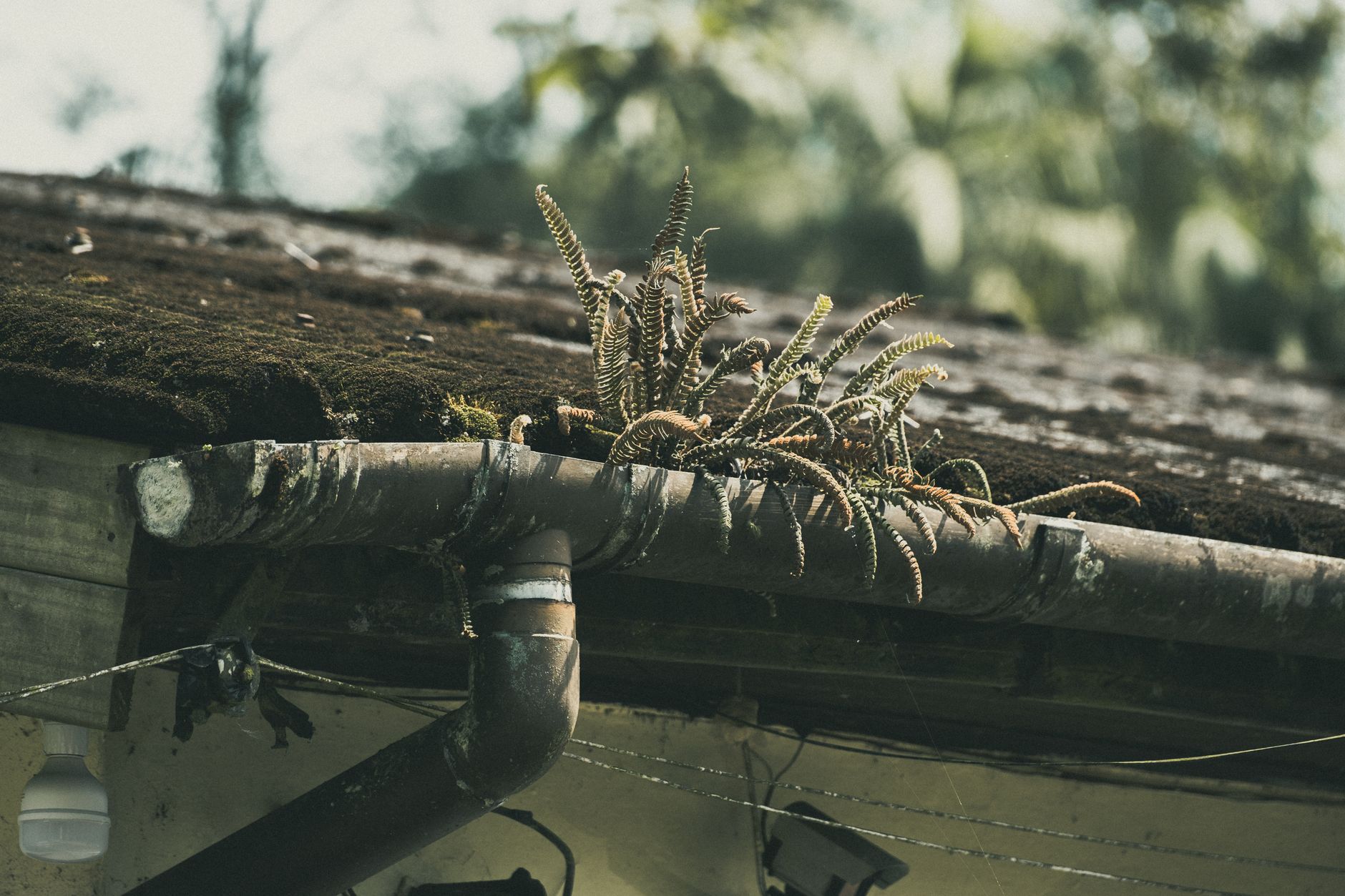
Managing rainwater properly is an essential part of maintaining a safe and well-protected property. When rain falls on a roof, the water needs to be directed away from walls, windows, doors, landscaping, and the foundation in an efficient manner. Without an effective drainage system, water can collect around the structure and potentially contribute to erosion, moisture problems, staining, and other forms of property damage. A well-designed system helps control the flow of rainwater and directs it toward appropriate discharge areas. Gutter installation is therefore an important consideration for homeowners and property managers who want to improve exterior water management. The right system can help protect the building while also reducing the amount of water that reaches vulnerable areas. Understanding how these systems work, what materials are available, how installation is performed, and what maintenance is required can help property owners make informed decisions and maintain their investment over the long term.
Why Rainwater Management Matters
Rainwater may seem harmless, but uncontrolled water can cause significant problems when it repeatedly collects near a building. Water flowing directly from a roof can erode soil, damage landscaping, stain exterior walls, and create wet areas around the foundation. Over time, repeated moisture exposure may contribute to cracks, deterioration, mold growth, or other structural concerns depending on the property's construction and drainage conditions. Gutter installation helps create a controlled path for rainwater so that it can be collected and redirected away from vulnerable areas. A properly functioning system can reduce the amount of water that falls directly beside the structure and help keep exterior areas more manageable during heavy rainfall. Effective drainage is particularly important because small water management problems can become more serious when they are repeated over many seasons. Taking preventive measures can therefore be more practical and cost-effective than addressing extensive water damage later.
Understanding How Gutters Work
A gutter system is designed to collect water flowing from the roof and transport it toward designated discharge points. Gutters are generally positioned along roof edges, where they receive runoff and direct it toward downspouts. The downspouts then carry the collected water downward and away from the building. The effectiveness of the system depends on factors such as gutter size, slope, roof design, downspout placement, fastening, and the method used to discharge water at ground level. Gutter installation should be planned according to the characteristics of the property rather than simply copying an existing arrangement. A system that is too small or poorly positioned may overflow during heavy rainfall, while an improperly sloped gutter may allow water to remain stagnant. Understanding these basic principles makes it easier to recognize why careful planning and professional installation can make such a difference.
Choosing the Right Gutter Material
Several materials are available for drainage systems, and each has different characteristics regarding durability, appearance, maintenance, and cost. Aluminum is widely used because it is relatively lightweight, resistant to corrosion, and available in numerous colors. Steel can provide strength and durability, although its weight and potential for corrosion should be considered depending on the finish and environment. Copper offers a distinctive appearance and can develop a natural patina over time, making it an attractive choice for certain architectural styles. Vinyl can be another option because it is lightweight and generally simple to install, although its performance may vary depending on environmental conditions. During gutter installation, the selected material should match the property's requirements and the owner's maintenance preferences. Considering long-term performance rather than focusing only on the initial purchase price can help property owners select a system that provides better overall value.
Importance of Proper Sizing
The size of a gutter system matters because it determines how much rainwater the channels can collect and move during periods of heavy rainfall. A system that is too small may overflow when the roof receives a large amount of water, while an unnecessarily large system may add cost without providing meaningful benefits for the property. The roof's size, slope, configuration, and drainage requirements should all be considered when determining the appropriate dimensions. Gutter installation should also account for the number and placement of downspouts because even properly sized channels may not perform effectively if water cannot exit quickly enough. A professional can evaluate the roof and determine a configuration designed to handle expected runoff. Correct sizing helps reduce overflow and ensures that water is moved efficiently toward suitable discharge areas. This planning stage is one of the most important parts of creating a reliable drainage system.
Selecting the Right Downspout Placement
Downspouts play a critical role because they carry water from the gutters toward the ground. Their placement should allow water to be discharged far enough away from vulnerable areas whenever possible. If downspouts release water directly beside the foundation, repeated rainfall may create saturated soil and contribute to drainage problems. Gutter installation should therefore include careful consideration of where downspouts will be located and how their outlets will direct water. Larger roof sections may require multiple downspouts to distribute water effectively and prevent excessive flow through a single channel. Extensions, splash blocks, underground drainage connections, or other discharge solutions may also be considered depending on the property's layout. The objective is to move water away from the structure in a controlled manner rather than simply allowing it to accumulate at the base of the building. Proper downspout planning can significantly improve the overall performance of the system.
Benefits of Professional Installation
Installing a drainage system may appear straightforward, but achieving reliable performance requires accurate measurements, proper slope, secure fastening, appropriate spacing, and careful attention to roof geometry. Gutter installation performed by an experienced professional can help ensure that channels are positioned correctly and that water flows toward downspouts rather than collecting in low areas. Professionals can also identify existing drainage problems that may need to be addressed before the new system is installed. They may recommend adjustments to downspout placement, additional drainage components, or modifications based on the property's roof design. Correct installation can reduce problems such as sagging, leaks, overflow, and standing water. Professional work may also provide a cleaner finished appearance because the system can be fitted more precisely to the structure. When the goal is long-term performance, installation quality is just as important as the material selected.
Protecting the Foundation
One of the most important reasons to manage roof runoff is to reduce unnecessary water exposure around the foundation. When large amounts of water repeatedly fall near the base of a building, the surrounding soil can become saturated and erosion may occur. Depending on the structure and local conditions, persistent moisture may contribute to foundation-related concerns over time. Gutter installation helps redirect roof runoff so that water can be carried toward safer discharge areas. Although gutters alone cannot solve every drainage problem, they are an important part of a broader water management strategy. Downspout extensions and appropriate grading can further improve the way water moves away from the building. Property owners should regularly inspect areas around downspout outlets for signs of standing water, erosion, or excessive moisture. Addressing drainage concerns early can help protect the foundation and reduce the risk of more complicated problems.
Preventing Exterior Water Damage
Rainwater can affect more than the ground around a property. Uncontrolled runoff may repeatedly wet siding, exterior walls, doors, windows, trim, and other building components. Over time, this exposure can contribute to staining, deterioration, peeling finishes, or moisture intrusion in vulnerable areas. Gutter installation creates a controlled route for water and can reduce the amount of runoff that reaches these surfaces. Properly positioned gutters and downspouts can help keep exterior walls drier and reduce unnecessary water exposure during storms. However, the system needs to remain clear and properly secured to perform effectively. Cracks, loose sections, blocked outlets, and damaged seams can allow water to escape in unwanted locations. Regular inspections are therefore important for ensuring that the drainage system continues to protect the building as intended.
The Importance of Gutter Guards
Leaves, twigs, pine needles, dirt, and other debris can accumulate inside gutters and restrict normal water flow. Blockages can cause water to overflow over the sides or remain trapped in the channels, reducing the effectiveness of the entire system. Gutter guards can help reduce the amount of larger debris that enters the channels, although they do not necessarily eliminate the need for maintenance. Different guard designs have different levels of effectiveness, and the best option depends on the surrounding environment and the type of debris commonly encountered. During gutter installation, property owners may want to discuss whether adding a protective covering makes sense for their specific needs. A well-designed guard can reduce cleaning frequency and help keep water moving through the system. However, guards should still be inspected periodically because fine debris can accumulate on top of or beneath certain designs.
Maintenance and Cleaning Requirements
Even a professionally installed system requires regular maintenance to remain effective. Gutters should be inspected for leaves, dirt, standing water, cracks, loose fasteners, sagging sections, and other visible problems. Downspouts should also be checked to ensure that water can pass through them without obstruction. Gutter installation provides the foundation for a reliable drainage system, but ongoing maintenance is what keeps that system functioning over time. The frequency of cleaning depends on factors such as nearby trees, roof design, weather conditions, and the presence of protective guards. Property owners should pay particular attention after periods of heavy storms or strong winds because debris may accumulate quickly. Addressing small issues early can prevent them from becoming larger problems that require extensive repairs. A simple maintenance routine can therefore protect the original investment and extend the useful life of the system.
Recognizing Signs of Gutter Problems
There are several warning signs that indicate a drainage system may not be functioning correctly. Water spilling over the sides during rainfall is one of the most obvious indications of a blockage, insufficient capacity, or improper slope. Sagging gutters may indicate that fasteners have loosened or that the channels are carrying excessive weight from water and debris. Rust, cracks, separated joints, and visible leaks can also reduce performance. Gutter installation may need to be reassessed if the system consistently fails to direct water away from the building. Property owners should also look for erosion or standing water around downspout outlets because these conditions can indicate that discharge is not being handled effectively. Paying attention to these signs allows problems to be addressed before they cause damage to surrounding structures or landscaping. Regular visual inspections are simple and can provide valuable information about the condition of the system.
Balancing Cost and Long-Term Value
The cost of a new drainage system can vary depending on the property's size, roof configuration, material selection, system design, installation complexity, and additional components. Property owners should avoid choosing an option solely because it has the lowest initial price. A low-cost system may require more frequent maintenance or may not provide adequate capacity for the property's drainage needs. Gutter installation should be evaluated as a long-term investment in property protection rather than simply an immediate expense. Quality materials, proper sizing, secure installation, and appropriate downspout placement can all contribute to better performance and durability. It is useful to compare detailed estimates that explain the materials, labor, system design, and additional services included. Considering the expected lifespan and maintenance requirements alongside the initial cost can provide a more accurate picture of overall value.
Building a Complete Water Management Strategy
A gutter system works most effectively when it is part of a broader approach to exterior water management. Proper roof drainage should be combined with suitable grading, functioning downspouts, clear drainage paths, and regular inspection of areas around the building. Gutter installation can help control water coming from the roof, but other sources of moisture may require separate solutions. Property owners should observe how water moves across the property during rainfall and identify areas where water tends to collect. Landscaping, paving, drainage channels, and other exterior features can influence runoff patterns. A complete strategy focuses on moving water away from vulnerable areas rather than simply collecting it at the roof edge. By considering the entire drainage path, property owners can create a more effective system and reduce the likelihood of recurring water-related problems.
Final Thoughts
Effective rainwater management is an important part of protecting a property from unnecessary moisture exposure, erosion, staining, and potential structural concerns. A properly designed drainage system collects roof runoff and directs it toward suitable discharge areas, helping keep water away from vulnerable parts of the building. Gutter installation can provide significant benefits when the system is correctly sized, securely installed, properly sloped, and connected to appropriately positioned downspouts. Choosing durable materials and considering additional features such as gutter guards can also improve long-term performance. However, installation is only the beginning because regular inspection, cleaning, and maintenance are necessary to keep the system working effectively. Property owners who take a proactive approach to water management can reduce avoidable problems and protect their investment over time. With thoughtful planning and professional workmanship, a reliable drainage system can provide lasting protection while contributing to the overall maintenance and condition of the property.









1 thought on “The Ultimate Guide to Effective Rainwater Management, Proper Installation, and Long-Term Exterior Protection”
Comments are closed.