

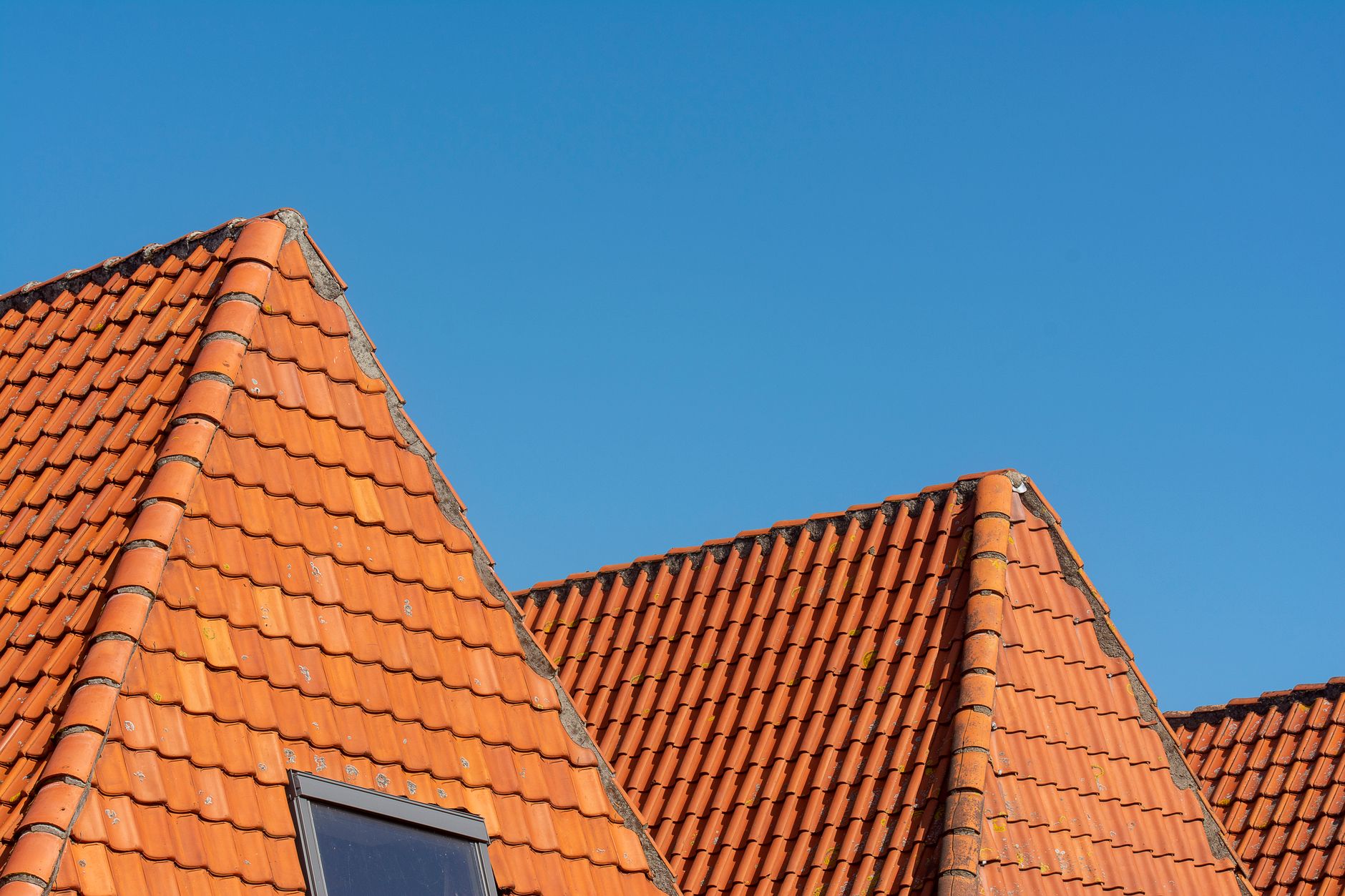
A roof is one of the most important protective elements of a home because it stands between the interior living space and constantly changing outdoor conditions. A properly designed roofing system helps protect walls, ceilings, insulation, framing, and personal belongings from rain, wind, sunlight, moisture, and temperature changes. However, long-term roof performance does not depend on one material alone. It depends on how the entire system is designed, installed, maintained, and inspected throughout its service life. Homeowners who want dependable protection should consider the quality of the roofing materials, condition of the roof deck, underlayment, flashing, ventilation, drainage, insulation, and workmanship. Taking a complete approach from the beginning can reduce the risk of premature deterioration and help ensure that the roof continues performing effectively for many years.
Select High-Quality Roofing Materials
Choosing appropriate roofing materials is one of the first decisions that can influence the strength and longevity of a roof. Homeowners have several options, including asphalt shingles, metal roofing, tile, slate, and other specialized products, with each material offering different advantages in terms of durability, appearance, maintenance, weight, cost, and expected service life. The most suitable choice should be based on the home's structure, roof design, environmental exposure, budget, and long-term expectations rather than simply selecting the least expensive option available. Quality materials are generally better equipped to withstand repeated exposure to moisture, sunlight, wind, and temperature fluctuations. A professional residential roofing project should begin with materials that are appropriate for the structure and compatible with one another so that every layer can contribute to the overall performance of the finished system.
Evaluate the Roof Structure Before Installation
The roof deck provides the foundation for the roofing materials, so its condition should always be evaluated before installation or replacement work begins. Damaged, weakened, warped, or moisture-affected decking can create problems beneath even the highest-quality exterior materials. If deteriorated sections are covered without being repaired, hidden issues may continue developing and eventually compromise the stability and performance of the entire roof. Professional contractors should inspect the deck carefully and identify areas that require repair or replacement before installing new components. A solid and properly prepared surface allows underlayment and roofing materials to be installed more securely and consistently. Addressing structural concerns at the beginning can also prevent uneven surfaces, fastening issues, moisture retention, and other complications that may shorten the life of the finished roofing system.
Invest in Proper Underlayment
Underlayment is an important secondary protective layer positioned beneath the primary roofing material. Although it is normally hidden after installation, it can provide valuable protection when moisture moves beneath shingles, tiles, panels, or other exterior coverings. Different roofing systems may require different types of underlayment, and the material should be selected according to the design of the roof and the manufacturer's installation requirements. Proper installation is equally important because gaps, incorrect overlaps, exposed areas, or poor fastening can reduce its effectiveness. Extra attention should be given to vulnerable areas such as valleys, eaves, roof-to-wall intersections, chimneys, skylights, and penetrations. A properly installed underlayment system adds another layer of defense against moisture and can help protect the roof deck when the outer roofing surface experiences minor damage or water penetration.
Prioritize Professional Installation
The quality of installation can be just as important as the quality of the roofing materials themselves. Even premium products can experience premature failure when they are installed using incorrect techniques or when important details are overlooked. Experienced roofing professionals understand how to prepare the surface, install underlayment, position materials correctly, secure fasteners, integrate flashing, seal penetrations, and complete edge details. They also understand the installation specifications provided by manufacturers and the requirements that apply to different roofing systems. Incorrect fastening, inadequate overlaps, poor flashing, or improper sealing can create weak points that allow water and wind to penetrate the structure. Choosing qualified professionals can therefore help homeowners avoid preventable problems and achieve a more reliable result. Skilled workmanship is an essential part of building a roofing system capable of providing consistent protection over its expected service life.
Pay Close Attention to Flashing
Flashing is a critical part of any roof because it protects areas where roofing materials meet walls, chimneys, vents, skylights, valleys, and other structures. These transition points can become particularly vulnerable to water intrusion when flashing is missing, damaged, improperly installed, or poorly sealed. Even when the main roofing surface appears to be in good condition, a problem around a penetration or transition can allow water to enter the roof assembly. Flashing should therefore be installed according to the requirements of the roofing system and inspected regularly for deterioration. Professional residential roofing work should include careful attention to every flashing detail rather than focusing only on the visible field of shingles or panels. Proper flashing creates a more continuous moisture barrier and significantly reduces the likelihood that water will find a pathway into the underlying structure.
Ensure Proper Roof Ventilation
Ventilation plays an important role in maintaining the health of the roof and attic. When warm, moist air becomes trapped in an attic space, it can contribute to condensation, mold development, wood deterioration, and premature aging of roofing components. Effective ventilation generally requires a balanced combination of intake and exhaust openings that allows air to circulate through the attic rather than becoming stagnant. The ventilation design should be appropriate for the roof configuration and coordinated with insulation and other building components. Simply adding vents without considering the overall airflow pattern may not solve existing ventilation problems. A well-designed system should help control temperature and moisture while supporting the durability of the roof assembly. Homeowners planning a new installation or replacement should therefore treat ventilation as an essential component rather than an optional feature.
Create an Efficient Drainage System
Effective drainage is necessary because water should never be allowed to remain on the roof or accumulate around vulnerable components for extended periods. Roof slope, valleys, gutters, downspouts, flashing, and drainage pathways should work together to move water away from the structure efficiently. When gutters become blocked with leaves, dirt, and other debris, water can overflow and potentially damage fascia, siding, foundations, and other parts of the home. Downspouts should also direct water away from the building instead of allowing it to collect near the foundation. Regular cleaning and inspection can help keep the drainage system functioning properly. A roof that handles water efficiently is less likely to experience moisture-related deterioration, and maintaining drainage components is one of the simplest ways homeowners can support long-term roof performance.
Consider Weather and Environmental Exposure
Every roof is exposed to environmental conditions that can affect its materials over time. Wind, rain, hail, intense sunlight, humidity, snow, and repeated temperature fluctuations can gradually weaken roofing components. When selecting materials, homeowners should consider how well each option can handle the conditions the property is likely to experience. Wind resistance, impact resistance, UV protection, moisture resistance, and temperature tolerance may all be important depending on the circumstances. Installation techniques should also account for environmental exposure because improperly secured materials may be more vulnerable during severe weather. A durable roofing system should be designed with realistic environmental demands in mind. Selecting appropriate products and combining them with professional installation can help reduce weather-related damage and increase the likelihood of achieving a long service life.
Maintain Gutters and Roof Accessories
A roofing system includes much more than the primary covering visible from outside the home. Gutters, downspouts, fascia, soffits, vents, flashing, seals, and other components all contribute to overall performance. Neglecting one part of the system can eventually affect other areas. For example, clogged gutters may cause water to back up against roofing edges, while damaged vents or seals can allow moisture to enter the attic. Homeowners should inspect these components regularly and address problems before they become extensive. Removing accumulated debris, checking drainage pathways, inspecting visible flashing, and monitoring areas around roof penetrations are all useful maintenance practices. Keeping supporting components in good condition helps preserve the integrity of the main roofing materials and allows the complete system to function as intended.
Schedule Routine Roof Inspections
Regular inspections are an effective way to identify developing problems before they become major repairs. A visual inspection can reveal missing or damaged roofing materials, cracked or curling shingles, deteriorated flashing, sagging areas, debris accumulation, and other warning signs. However, some problems may only become apparent from the attic, where moisture stains, damp insulation, condensation, or unusual odors can indicate hidden issues. Professional inspections can provide a more comprehensive evaluation of difficult-to-see areas and help determine whether repairs or additional maintenance are necessary. Inspections are especially useful after severe weather and when a roof approaches the later stages of its expected service life. Keeping records of inspection findings and completed repairs can also help homeowners plan maintenance and make informed decisions about future roofing work.
Respond to Problems Without Delay
Small roofing problems can become much more expensive when they are ignored. A damaged shingle or loose flashing component may allow a small amount of water to enter the system, but repeated exposure can eventually damage insulation, decking, framing, ceilings, and interior finishes. Moisture that remains undetected for an extended period can also create conditions that encourage mold and material deterioration. Homeowners should therefore investigate water stains, leaks, missing materials, visible damage, and unusual attic moisture as soon as these warning signs appear. Temporary fixes may provide short-term relief, but identifying and correcting the underlying cause is important for long-term protection. Prompt repairs can limit the affected area, reduce restoration costs, and prevent a localized defect from developing into a much larger structural or interior problem.
Improve Energy Performance
Roofing decisions can influence the energy performance and comfort of a home. Proper insulation and ventilation can help regulate attic temperatures, while certain roofing materials may reduce heat absorption or improve overall thermal performance. During warmer periods, excessive attic heat can place additional demand on cooling systems, while inadequate insulation can contribute to heat loss during colder conditions. A complete approach should consider the interaction between roofing materials, insulation, ventilation, and the home's overall building envelope. Homeowners replacing an aging roof may therefore benefit from evaluating these related components at the same time. Improving energy performance is not only about lowering utility consumption; it can also help create a more comfortable indoor environment and reduce stress on heating and cooling equipment.
Follow Installation Standards
Roofing products are manufactured with specific installation requirements designed to help them perform properly. These requirements may cover fastening methods, spacing, overlaps, underlayment, flashing, ventilation, minimum slopes, and other details. Following these instructions is important because deviations can reduce product performance and may affect applicable warranty protection. Building requirements should also be followed to ensure that the completed roof meets appropriate safety and construction standards. Professional contractors should understand the specifications associated with the selected roofing system and use approved installation practices. Homeowners can benefit from asking questions about the materials, installation procedures, and maintenance recommendations before the project begins. Clear communication and careful adherence to established standards can provide greater confidence in the quality and reliability of the finished system.
Plan for Long-Term Maintenance
A durable roof should be viewed as a long-term investment rather than simply a construction expense. Homeowners should consider the expected service life of different materials, maintenance requirements, warranty terms, repair needs, and overall performance when evaluating roofing options. Spending slightly more on quality products and professional installation can sometimes provide better value over time than choosing a cheaper system that requires frequent repairs or early replacement. Maintenance should also be incorporated into the ownership plan from the beginning. Regular inspections, gutter cleaning, debris removal, ventilation checks, and prompt repairs can all contribute to longer service life. A professional residential roofing approach focuses not only on completing the initial installation but also on preserving the system's performance throughout the years.
Protect the Home Through Comprehensive Planning
Creating a reliable roof requires coordination between many different components and decisions. Materials, structure, underlayment, flashing, ventilation, drainage, insulation, installation, and maintenance should all be considered together. Focusing on only one element while ignoring the others can create weaknesses that eventually affect the entire system. Homeowners should work with experienced professionals who can evaluate the property as a complete structure and recommend solutions that balance durability, performance, appearance, and budget. Careful planning before installation can also help prevent unexpected costs and reduce the likelihood of avoidable problems. When every component is selected and installed with the overall system in mind, the roof can provide stronger protection and more consistent performance over its expected service life.
Final Thoughts
A strong and dependable roof is created through a combination of quality materials, skilled workmanship, proper design, effective drainage, reliable ventilation, appropriate flashing, and consistent maintenance. Homeowners should avoid viewing roofing as nothing more than an exterior covering because every layer contributes to the system's ability to protect the structure from moisture, weather, and long-term deterioration. Choosing suitable materials, preparing the roof deck correctly, following installation standards, and addressing problems promptly can make a significant difference in durability. Professional residential roofing services can also help homeowners identify potential weaknesses and develop a practical maintenance strategy. By treating the roof as a complete protective system and investing in its long-term care, homeowners can improve property protection, reduce unnecessary repair expenses, and enjoy greater confidence in the performance of their roofing investment.






2 thoughts on “Key Considerations for Creating a Durable and Reliable Residential Roofing System for Long-Term Home Protection”
Comments are closed.