

Preparing undeveloped or overgrown property for a new purpose often requires careful planning, specialized equipment, and an understanding of the existing landscape. Dense vegetation, unwanted trees, shrubs, brush, rocks, old stumps, and other obstacles can make a property difficult to use or develop. Land clearing is the process of removing or managing these obstacles so that an area can be prepared for construction, agriculture, landscaping, recreation, access roads, or other planned uses. Although clearing may appear straightforward, the work can become complicated when large trees, steep terrain, drainage concerns, underground roots, or structures are present. A successful project begins with evaluating the property, establishing clear objectives, identifying potential hazards, and selecting appropriate methods for removing unwanted vegetation and debris. Proper preparation can improve efficiency while reducing unnecessary disturbance to the surrounding environment.
Understanding the Purpose of Property Clearing
Every clearing project begins with a specific purpose, and understanding that purpose helps determine how much vegetation should be removed. A property being prepared for construction may require a more extensive clearing process than an area intended for recreational use or selective landscaping. Some projects may involve removing only invasive plants and overgrown brush, while others may require trees, stumps, rocks, and dense vegetation to be cleared completely. Land clearing should therefore be planned according to the property's intended future use rather than simply removing everything that appears inconvenient. Establishing the final goal before work begins can help determine which materials should be removed, which vegetation may be preserved, and how the finished terrain should be prepared for the next stage of development.
Assessing the Property Before Work Begins
A detailed property assessment is one of the most important steps in the clearing process. The site should be examined for trees, brush, rocks, uneven ground, drainage patterns, soil conditions, existing structures, utility infrastructure, and other potential obstacles. Areas containing unstable trees or damaged vegetation may require additional safety precautions, while steep slopes may require different equipment and operating techniques. It is also important to identify valuable vegetation that should remain undisturbed. Understanding the property before equipment arrives allows the project to be organized more efficiently and helps prevent avoidable damage. A thorough assessment gives property owners and contractors a clearer understanding of the work involved and provides a practical foundation for planning land clearing activities.
Developing an Effective Clearing Plan
Once the property has been assessed, a detailed work plan can be developed. The plan should identify the areas that need to be cleared, materials that should remain, equipment requirements, access points, debris management procedures, and the desired condition of the property after completion. A clear sequence of work can prevent equipment from repeatedly moving across the same areas and can help reduce unnecessary disruption to the site. The plan should also account for weather and ground conditions because wet or unstable soil can make heavy equipment difficult to operate safely. By organizing the project in advance, contractors can work more efficiently and property owners can have a clearer understanding of what the finished site should look like.
Removing Trees and Dense Vegetation
Trees and dense vegetation can be among the most challenging elements of a clearing project. Large trees require careful cutting and removal because branches and trunks can be extremely heavy and unpredictable. Smaller trees, vines, shrubs, and brush may also create dense growth that limits access and visibility. Depending on the property's future use, some healthy trees may be preserved while unwanted or hazardous vegetation is removed. The removal method should take into account tree size, condition, surrounding structures, available space, and the equipment being used. Properly planned land clearing can transform an overgrown area into a more accessible site while reducing hazards and creating space for future improvements.
Handling Stumps and Root Systems
Removing vegetation above ground does not always leave the property ready for its next use. Stumps and root systems can remain beneath the surface, creating obstacles for construction equipment, foundations, driveways, landscaping, and future planting. Depending on the project requirements, stumps may be ground down, excavated, or removed using specialized machinery. Large root systems can also affect how easily the ground can be graded and prepared. If the objective is to create a smooth, buildable surface, leaving substantial stumps below ground may not be appropriate. Addressing these underground obstacles as part of land clearing can make subsequent excavation, grading, and construction work more efficient and reduce the likelihood of encountering unexpected obstructions later.
Managing Brush and Organic Debris
Clearing a property can generate large quantities of branches, leaves, brush, logs, and other organic material. Efficient debris management is essential because piles of vegetation can obstruct equipment, create fire hazards, attract pests, and make the finished property look incomplete. Depending on the type and condition of the material, brush may be chipped into mulch, larger logs may be processed separately, and suitable organic material may be reused on the property. Some debris may need to be transported away for proper disposal. Planning how materials will be handled before work starts can reduce delays and keep the project organized. Effective debris management is an important component of land clearing because the objective is not simply to remove vegetation but to leave the property in a useful and manageable condition.
Using Heavy Equipment Safely
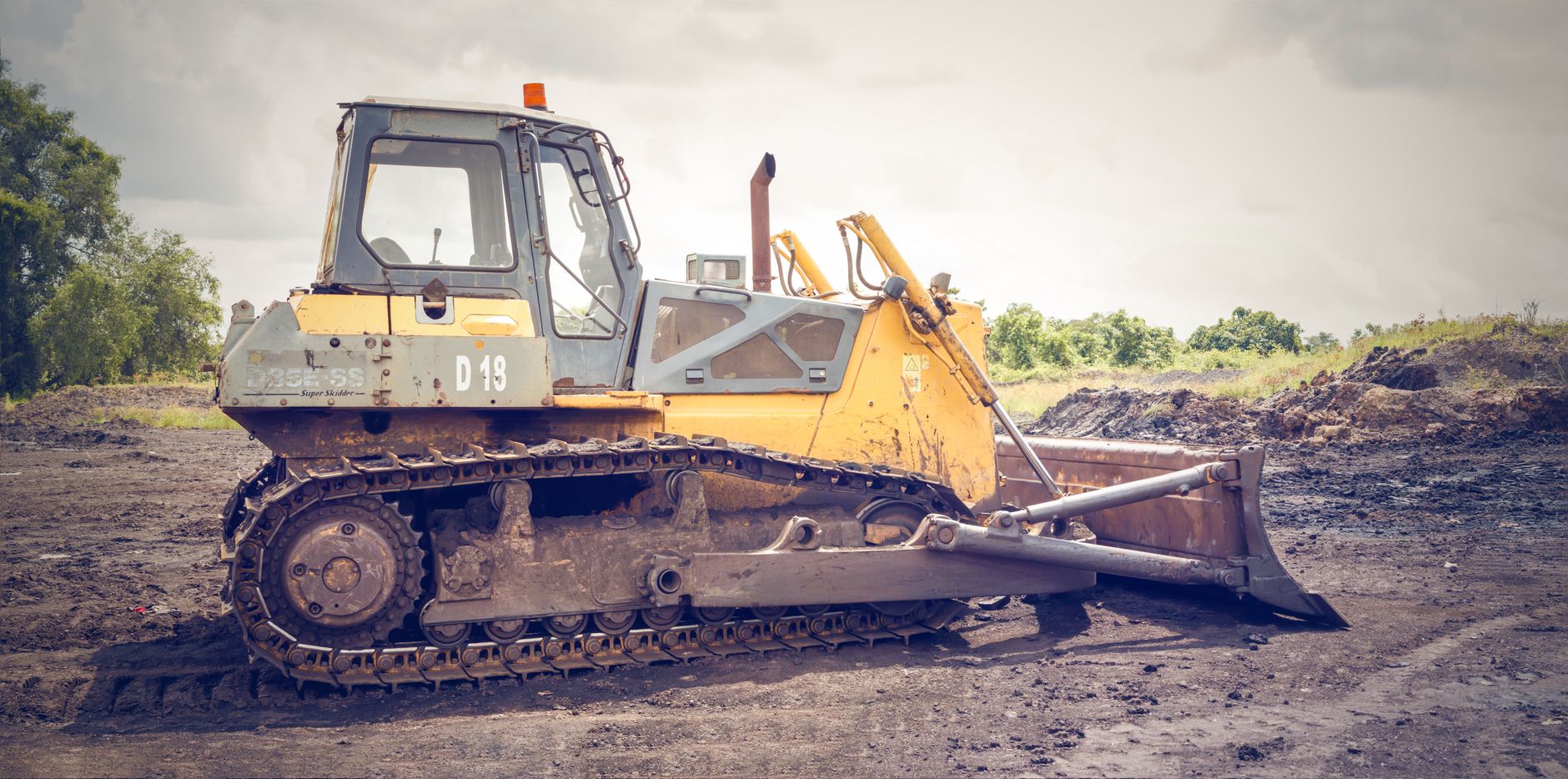
Large-scale clearing projects often require specialized machinery such as excavators, skid steers, bulldozers, loaders, mulchers, grinders, and other equipment. The appropriate machinery depends on the size and condition of the property and the type of material being removed. Heavy equipment can significantly increase productivity, but it must be operated carefully to avoid damaging soil, underground utilities, drainage features, or vegetation intended for preservation. Operators need sufficient experience to work around slopes, trees, structures, and other obstacles. Equipment should also be inspected and maintained regularly to reduce the risk of mechanical problems. Using the right machinery and operating it responsibly can make land clearing faster while improving safety and reducing unnecessary site disturbance.
Protecting Soil and Drainage
Removing vegetation can change how water moves across a property, making soil and drainage management an important consideration. Tree roots and vegetation can help stabilize soil, while cleared ground may become more vulnerable to erosion when exposed to rainfall and runoff. On sloped properties, improper clearing can contribute to soil movement and drainage problems. The clearing plan should therefore consider which vegetation should remain to provide stability and where temporary or permanent erosion-control measures may be appropriate. Maintaining natural drainage patterns when possible can also reduce the risk of standing water or concentrated runoff. Responsible land clearing focuses not only on removing obstacles but also on preparing the property without creating unnecessary long-term environmental or structural problems.
Preserving Valuable Vegetation
Complete removal of all vegetation is not always necessary. Mature trees, healthy plants, natural screening areas, and other useful vegetation may provide shade, privacy, erosion control, wildlife habitat, and visual appeal. Identifying valuable vegetation before work begins allows contractors to work around these areas rather than removing them unnecessarily. Protective boundaries can be established around trees and plants that are intended to remain. Equipment operators should also avoid damaging their roots, trunks, and surrounding soil. Selective clearing can produce a more balanced finished property while preserving some of the natural characteristics of the site. This approach allows land clearing to support development or improvement without automatically eliminating every existing natural feature.
Preparing the Ground for Future Development
After vegetation and major obstacles have been removed, the property may still require additional preparation before construction or another planned use can begin. Uneven ground, holes left by roots, buried debris, rocks, and disturbed soil may need to be addressed through grading, excavation, filling, or compaction. The appropriate preparation depends on what will eventually occupy the site. A building project may require precise grading and soil preparation, while agricultural or recreational uses may have different requirements. Clearing and ground preparation should therefore be viewed as connected stages rather than completely separate tasks. When the initial land clearing work is performed with the final property use in mind, it can create a smoother transition into construction, landscaping, planting, or other improvements.
Managing Rocks and Other Obstacles
Natural and man-made obstacles can make a property difficult to access or develop. Large rocks, buried materials, old fencing, construction debris, fallen logs, and abandoned structures may need to be removed during the clearing process. Some obstacles can be handled using excavators or loaders, while others may require specialized tools or additional planning. Before removing buried objects, it is important to understand what they are and whether underground utilities or other infrastructure may be nearby. Unexpected obstacles can cause delays if they were not included in the original project plan. A thorough site assessment can help identify potential problems early and make the overall land clearing process more predictable and organized.
Considering Environmental Responsibilities
Responsible clearing should take environmental considerations into account. Vegetation can provide habitat for birds, insects, small animals, and other wildlife, while trees and plants can influence soil stability and water movement. Before clearing begins, property owners should understand whether there are environmental restrictions, protected features, or other requirements that could affect the project. It may also be appropriate to preserve buffer areas, mature vegetation, or natural drainage features. Minimizing unnecessary disturbance can help maintain the property's ecological value while still allowing the planned improvements to move forward. Thoughtful planning makes land clearing more sustainable by focusing on the actual needs of the project instead of removing vegetation without considering its role in the surrounding environment.
Understanding Project Costs
The cost of clearing a property can vary substantially depending on its size, vegetation density, terrain, accessibility, equipment requirements, debris volume, and final preparation needs. A property covered with light brush may require considerably less work than one containing mature trees, dense vegetation, large stumps, rocks, and uneven terrain. Additional services such as hauling, stump grinding, grading, and debris disposal can also affect the total cost. Property owners should request a detailed estimate that explains the scope of work and identifies which services are included. Understanding the expected costs in advance can make budgeting easier and reduce misunderstandings. Comparing estimates based on experience, equipment, safety practices, and overall service rather than price alone can help property owners make better decisions.
Avoiding Common Clearing Mistakes
One of the most common mistakes is beginning work without first understanding the property's conditions and future purpose. Removing too much vegetation can create unnecessary erosion or eliminate trees that could have provided valuable shade and privacy. Failing to identify underground utilities can create serious hazards, while improper equipment selection can increase costs and damage the ground. Another common problem is failing to plan for debris removal, leaving large piles of material behind after the main vegetation has been removed. Poor drainage planning can also create problems later. A well-organized land clearing project avoids these issues by establishing clear objectives, assessing risks, selecting appropriate equipment, and planning each stage before the work begins.
Why Professional Experience Matters
Experienced professionals bring valuable knowledge to complex property-clearing projects. They understand how different types of vegetation respond to cutting and removal, how heavy equipment behaves on different terrain, and how to manage debris efficiently. They can also recognize hazards that may not be obvious to property owners, including unstable trees, difficult slopes, buried obstacles, and drainage concerns. Professional crews generally have access to specialized equipment that can complete large projects more efficiently than basic tools. Their experience can also help reduce unnecessary disturbance and improve the quality of the finished site. For complex properties, professional land clearing can provide a more controlled and efficient approach than attempting to manage every stage without appropriate experience.
Maintaining the Property After Clearing
Once a property has been cleared and prepared, ongoing maintenance becomes important. Newly exposed ground can quickly become covered by weeds, invasive plants, or unwanted vegetation if it is not managed. Soil may also require stabilization or planting to prevent erosion and maintain a healthy landscape. Property owners should monitor the site regularly and address new growth before it becomes difficult to control. If the property is being prepared for construction, future work should be scheduled promptly when practical so that the cleared area does not deteriorate. Maintaining the results of land clearing helps preserve the investment made during the initial project and keeps the property ready for its intended purpose.
Conclusion
Clearing a property is a significant undertaking that requires more than removing trees and brush. A successful project begins with a detailed assessment, a clear understanding of the property's future purpose, and a carefully organized work plan. Vegetation, stumps, roots, rocks, debris, drainage patterns, soil conditions, and access requirements should all be considered before equipment begins operating. Appropriate machinery and experienced operators can improve efficiency while helping protect people, valuable vegetation, and the surrounding landscape. Proper debris management and ground preparation are equally important because a cleared property should be left ready for its next stage of development or use. By approaching land clearing as a carefully planned process rather than a simple removal task, property owners can achieve a cleaner, safer, more functional, and better-prepared site.











1 thought on “A Complete Guide to Professional Land Clearing and Property Preparation”
Comments are closed.