

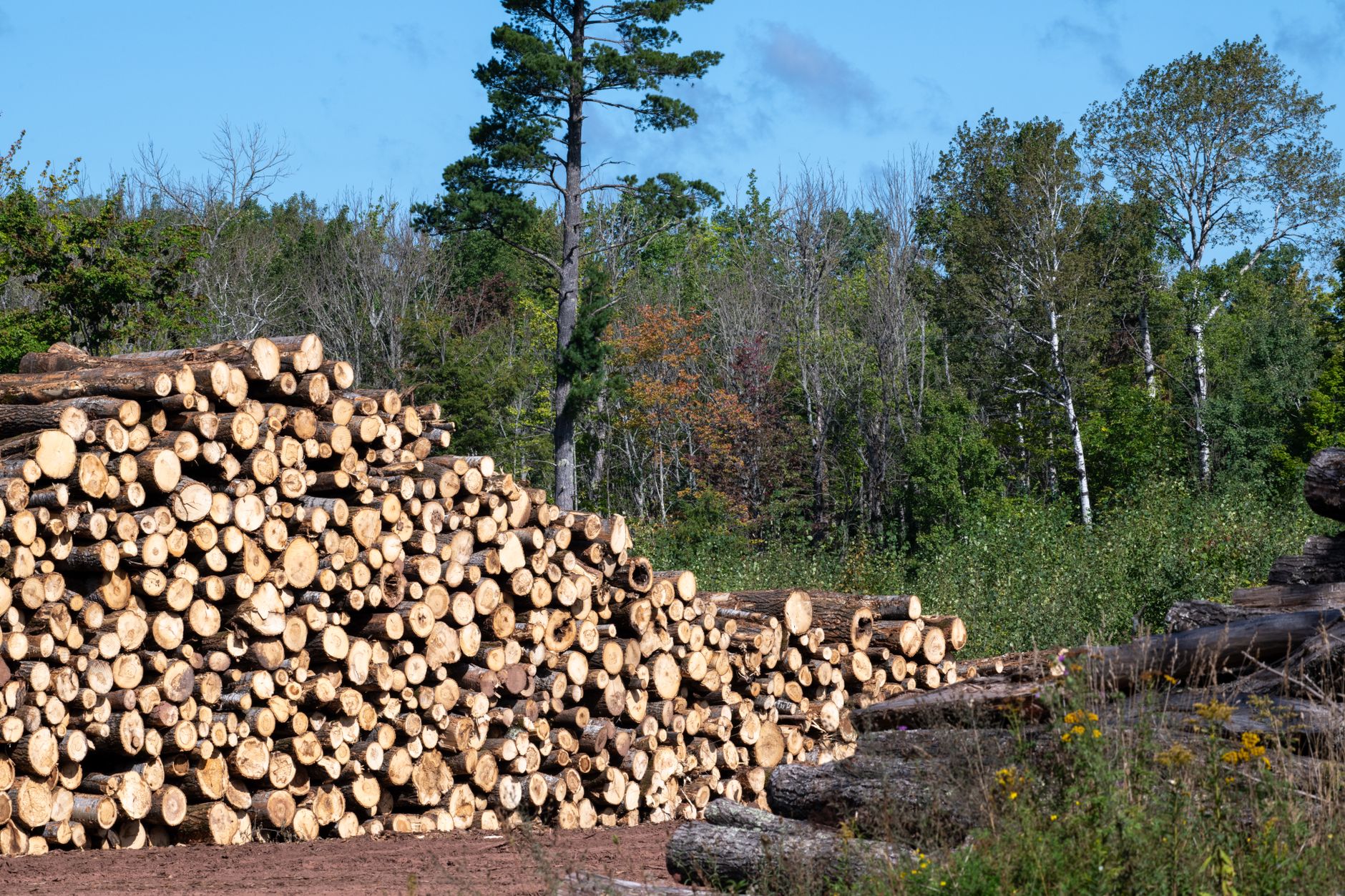
Forests are among the most valuable natural resources on Earth, supporting wildlife, protecting soil, improving air quality, storing carbon, and providing materials that people use every day. Healthy forests do not remain productive simply because trees are allowed to grow without attention. They require thoughtful planning, regular observation, responsible use, and protection from threats that can affect their long-term condition. Forest management brings these responsibilities together by considering tree health, biodiversity, soil, water, wildlife, natural regeneration, and the responsible use of forest resources. A well-planned approach can help maintain healthy woodland conditions while balancing environmental and economic needs. It can also help identify problems such as disease, invasive plants, excessive vegetation, erosion, and storm damage before they become more difficult to address. Sustainable practices focus on long-term results instead of short-term gains. When forests are managed carefully, they can continue providing ecological, recreational, and economic benefits for many generations while maintaining the natural processes that make woodland ecosystems valuable.
Understanding Forest Health and Natural Balance
A healthy forest contains many interconnected elements, including trees, shrubs, grasses, fungi, insects, birds, mammals, microorganisms, soil, and water. Each part contributes to the overall function of the ecosystem, which means that forest health should not be judged only by the number of trees present. A forest with excessive tree density may experience strong competition for sunlight, nutrients, and moisture, while a forest with damaged vegetation may become more vulnerable to insects and disease. Regular observation helps identify changes in tree growth, foliage, bark condition, dead branches, and natural regeneration. Soil quality is equally important because healthy roots depend on suitable moisture, nutrients, and oxygen. Water availability can influence growth and recovery, especially during periods of environmental stress. Maintaining a natural balance requires understanding how different parts of the ecosystem interact. Instead of focusing on one issue at a time, responsible planning considers the forest as a complete system. This approach helps support long-term stability and reduces the likelihood that one management decision will create unexpected problems elsewhere.
Developing a Long-Term Forest Plan
A successful woodland plan begins by identifying the primary goals for the property. Some owners may want to protect wildlife habitat, while others may focus on timber production, recreation, conservation, watershed protection, or a combination of several objectives. Once these goals are established, the existing condition of the forest can be evaluated to determine what actions may be appropriate. Important considerations include tree species, age distribution, growth rates, soil conditions, water resources, access routes, wildlife habitat, and potential environmental risks. A long-term plan should also recognize that forests develop slowly, meaning that decisions made today can influence conditions decades into the future. Written plans can help owners record activities, monitor progress, and identify areas requiring additional attention. They can also be reviewed periodically as conditions change. Weather patterns, pests, diseases, invasive vegetation, and land-use changes may require adjustments to an existing strategy. Flexibility is therefore an important part of sustainable planning. A good plan provides direction without preventing reasonable changes when new information becomes available.
Managing Tree Density and Growth
Trees naturally compete for sunlight, water, nutrients, and growing space, and excessive competition can affect their development. When trees grow too closely together, some may have difficulty developing strong crowns and root systems. Crowded conditions can also increase stress and create opportunities for certain pests and diseases to spread. In some forests, carefully planned thinning can reduce competition and improve growing conditions for selected trees. However, removing vegetation without considering the broader forest structure can create new problems. Excessive removal may increase exposure to wind and sunlight, disturb soil, encourage invasive plants, or reduce wildlife habitat. A balanced approach considers tree age, species diversity, health, and future growth. Maintaining different age groups can support continuous regeneration and provide varied habitat for wildlife. Managers should also consider which trees are providing important ecological functions before making removal decisions. Careful density management is not simply about reducing the number of trees. It is about creating conditions where remaining vegetation can grow successfully while maintaining the ecological character of the woodland.
Protecting Soil and Water Resources
Soil is one of the foundations of forest health because it provides support, nutrients, moisture, and habitat for countless organisms. Heavy equipment, poorly planned access routes, and excessive ground disturbance can compact soil and increase erosion. Compacted soil may limit water movement and make it harder for tree roots to obtain the resources they need. Forest activities should therefore be planned to reduce unnecessary disturbance whenever possible. Natural leaf litter, roots, grasses, and other ground cover can help protect soil from rainfall and runoff. Water resources also require careful attention because sediment, fuel, chemicals, and other pollutants can affect streams, ponds, and groundwater. Vegetation near waterways can help stabilize soil and support aquatic habitats. Roads and trails should be designed with drainage in mind so that water does not create severe erosion. Protecting soil and water benefits more than the trees themselves. It also supports wildlife, downstream ecosystems, and the long-term stability of the landscape. Preventing damage through careful planning is generally easier and less costly than attempting major restoration after severe erosion or contamination has occurred.
Supporting Biodiversity and Wildlife Habitat
Biodiversity contributes significantly to the resilience of forest ecosystems. Different species perform different roles, and a diverse woodland can provide a wider range of food, shelter, nesting areas, and seasonal resources for wildlife. Forests containing a mixture of tree species, shrubs, grasses, and other vegetation can support insects, birds, mammals, fungi, and microorganisms. Maintaining trees of different ages and sizes can also create more varied habitat conditions. Dead trees and fallen logs may provide valuable habitat for insects, fungi, and animals, although hazardous trees near buildings or frequently used areas may need to be removed. Forest planning should distinguish between material that creates an actual safety concern and natural structures that contribute to biodiversity. Removing every dead tree or fallen branch may reduce certain ecological benefits. At the same time, invasive plants should be monitored because they can compete with native vegetation and alter habitat conditions. Protecting biodiversity requires a balanced approach that recognizes the ecological value of natural materials while addressing genuine hazards. A diverse forest is often better prepared to respond to environmental changes and recover from disturbances.
Monitoring Pests, Diseases, and Tree Damage
Pests and diseases are natural parts of forest ecosystems, but severe outbreaks can damage large numbers of trees. Regular inspections can help identify early warning signs such as unusual leaf discoloration, premature leaf loss, bark damage, fungal growth, holes, dead branches, or changes in tree growth. Identifying the actual cause of a problem is important because not every insect or fungus is harmful. Some organisms play valuable roles in decomposition and nutrient cycling. Unnecessary treatment can harm beneficial species and affect soil and water quality. When a serious pest or disease is suspected, professional evaluation can help determine whether intervention is appropriate. In some cases, improving growing conditions may help stressed trees recover, while other situations may require selective removal or treatment. Monitoring should continue after action is taken to determine whether the problem has improved or spread. Maintaining species diversity can also reduce the risk associated with problems that affect a particular type of tree. Early observation and informed decisions can prevent minor issues from developing into widespread forest health concerns.
Reducing Fire and Severe Weather Risks
Forests can be affected by wildfire, storms, drought, high winds, and other environmental disturbances. While no management strategy can eliminate these risks completely, thoughtful planning can reduce certain vulnerabilities. Dead vegetation, excessive understory growth, fallen branches, and densely connected fuels may require attention depending on the condition of the forest and its surroundings. Vegetation reduction should be carefully planned because removing too much material can disturb soil, reduce habitat, and encourage invasive species. Access routes may also need to remain usable for maintenance and emergency activities. After storms, fallen trees and damaged branches should be inspected and addressed when they create safety or access concerns. Forest managers should consider both immediate risks and long-term ecosystem health when deciding how much vegetation to remove. Maintaining healthy trees, diverse vegetation, and suitable spacing can contribute to a more resilient woodland. Fire and weather planning is most effective when it forms part of a broader environmental strategy rather than being treated as a separate activity.
Responsible Use of Timber Resources
Timber can provide important economic and practical benefits when harvested responsibly. Sustainable harvesting considers which trees should be removed, how much material can be taken without damaging long-term productivity, and how harvesting will affect soil, water, wildlife, and remaining trees. Selective harvesting and carefully planned thinning may allow resources to be collected while maintaining a functioning woodland. Equipment routes should be planned to reduce unnecessary ground disturbance, and remaining trees should be protected from avoidable damage. After harvesting, the area should be monitored for natural regeneration, erosion, invasive plants, and other changes. The objective should not simply be to maximize the amount of timber removed during one operation. Instead, harvesting should fit into a longer cycle that allows the forest to continue producing resources in the future. Trees take many years to mature, so short-term decisions can have lasting consequences. When properly planned, timber production can coexist with conservation, wildlife protection, and other environmental objectives. Responsible use helps ensure that valuable resources remain available without sacrificing the health of the wider ecosystem.
Maintaining Roads, Trails, and Access Areas
Roads and trails are important for forest inspections, maintenance, recreation, emergency access, and resource activities. However, poorly maintained routes can contribute to soil erosion, water runoff, and unnecessary disturbance. Regular inspections can identify blocked drainage, damaged surfaces, fallen trees, and unstable areas before these problems become severe. Drainage should be managed so that water does not flow rapidly over exposed soil and create erosion channels. Vegetation along roads and trails should be maintained without unnecessarily clearing large areas. Vehicle movement should also be limited to suitable routes whenever possible to reduce soil compaction and damage to surrounding vegetation. Well-maintained access routes make it easier to reach different areas of a woodland for monitoring and maintenance. They can also support emergency response when access is necessary. Good access planning therefore requires a balance between practical use and environmental protection. Regular maintenance is usually easier than repairing severe erosion or structural damage after a route has deteriorated significantly.
Using Monitoring and Record Keeping
Long-term observation provides valuable information about how a forest changes over time. Managers can record tree growth, regeneration, species diversity, pest activity, disease symptoms, storm damage, invasive vegetation, and changes in soil or water conditions. Photographs, maps, written notes, and other records can make it easier to compare present conditions with earlier observations. Monitoring is especially useful after thinning, harvesting, restoration, or other significant activities because it shows whether the forest is responding as expected. If a strategy produces unexpected results, future actions can be adjusted accordingly. Technology such as mapping systems and aerial imagery can support monitoring, but direct field observation remains important because many details cannot be understood from a distance. Records can also help identify recurring problems and determine whether certain areas require more frequent attention. Consistent documentation turns forest care into an ongoing learning process. Instead of relying only on assumptions, managers can use actual observations to make better decisions over time.
Working With Qualified Professionals
Some woodland activities are suitable for routine property maintenance, while larger projects may require specialized expertise. Forestry professionals, arborists, environmental specialists, and other qualified experts can provide assistance with tree health assessments, harvesting plans, pest identification, restoration, and complex landscape decisions. Professional guidance can be particularly valuable when a project involves large trees, valuable timber, sensitive environmental areas, or significant risks to people and property. Specialists can help identify potential problems and recommend practices that consider both immediate needs and long-term consequences. Before hiring a professional, property owners should evaluate qualifications, experience, references, insurance, and the scope of services offered. Professional assistance should complement rather than replace regular observation. Owners who understand their property and monitor it consistently can provide valuable information to specialists when problems arise. Combining local knowledge with professional expertise can lead to more informed decisions and reduce the chance of unnecessary or damaging work.
Adapting to Changing Forest Conditions
Forest ecosystems are constantly changing, so management strategies should not remain fixed forever. Trees grow, old vegetation dies, new plants emerge, wildlife populations shift, and weather conditions vary from year to year. Changes in climate patterns, invasive species, pests, diseases, storms, and human activity may create new challenges. Managers should regularly review existing plans and determine whether they still match current conditions. Adaptation does not mean abandoning long-term goals. Instead, it means adjusting practical methods when new information or environmental changes make an existing approach less effective. A flexible strategy can help forests remain resilient while maintaining important ecological functions. Patience is particularly important because many changes take years to become visible. Decisions should therefore consider both present conditions and likely future outcomes. By observing the forest carefully and adapting when necessary, owners can improve the chances of maintaining healthy woodland conditions despite changing circumstances.
Final Thoughts
Healthy forests depend on informed decisions, regular observation, and long-term care. Forest management provides a structured way to consider tree health, biodiversity, soil, water, wildlife, timber resources, access, pests, diseases, and environmental risks together. No single practice can protect every part of an ecosystem, which is why successful woodland care requires a combination of strategies. Responsible harvesting can provide useful resources while maintaining future productivity, while careful vegetation management can support tree health and reduce certain hazards. Protecting soil and water helps preserve the foundation of the ecosystem, and maintaining diverse vegetation supports wildlife and natural resilience. Monitoring allows managers to recognize changes and adjust their approach before problems become more difficult to address. Professional advice can provide valuable support for complex projects and specialized concerns. Ultimately, sustainable forest care is a long-term commitment rather than a one-time activity. By balancing environmental protection with responsible resource use and adapting practices as conditions change, forest owners and managers can help preserve healthy, productive, and resilient woodland ecosystems for future generations.






1 thought on “Understanding Sustainable Forest Management Practices for Conservation, Resource Protection, and Long-Term Environmental Benefits”
Comments are closed.