

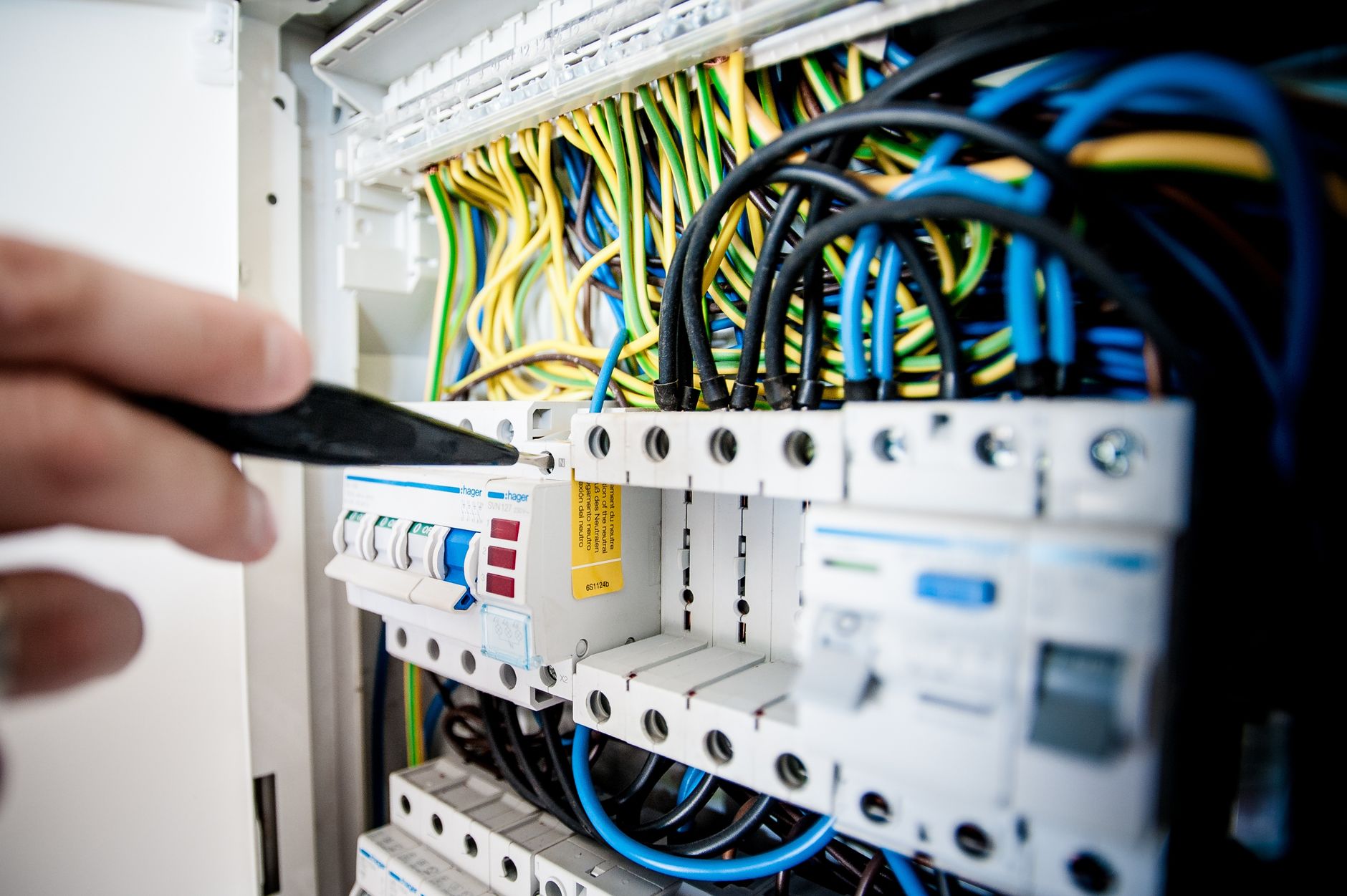
Electrical systems are designed to provide dependable power throughout a home or building, but they also require protective components that can respond quickly when something goes wrong. One of the most important protective devices in an electrical panel is the circuit breaker. It controls the flow of electricity to individual circuits and is designed to interrupt power when electrical conditions become unsafe. When a breaker repeatedly trips, refuses to reset, feels unusually warm, or shows visible signs of damage, the issue should never be ignored. In many situations, professional circuit breaker repair can help restore reliable electrical operation while reducing the risk of equipment damage, electrical fires, or dangerous shocks.
Understanding how circuit breakers work and recognizing the warning signs of trouble can help property owners make better decisions about electrical maintenance. Although resetting a breaker may sometimes solve a temporary overload, repeated problems usually indicate that something deeper needs attention. The underlying cause could involve an overloaded circuit, a short circuit, faulty wiring, a damaged breaker, or another electrical problem. Because electrical panels contain components capable of carrying dangerous levels of current, repairs should be approached with caution and handled by qualified professionals when technical work is required.
Understanding the Purpose of a Circuit Breaker
A circuit breaker is an automatic safety device that protects an electrical circuit from excessive current. Electricity travels through wiring to power lights, appliances, outlets, and other equipment. When the amount of current flowing through a circuit becomes greater than the circuit can safely handle, the breaker is designed to interrupt the flow. This action helps protect the wiring from overheating and potentially causing a fire.
Unlike older fuse-based systems, circuit breakers can generally be reset after they trip once the underlying issue has been addressed. However, the ability to reset a breaker does not mean every tripping event is harmless. A breaker that trips occasionally because too many high-powered appliances were operating simultaneously may simply be responding correctly to an overload. A breaker that trips frequently, immediately after being reset, or under normal electrical usage may indicate a more serious problem.
The breaker also provides a convenient method for controlling power to individual circuits. During electrical maintenance, shutting off the appropriate breaker can disconnect power from a specific area. However, simply switching off a breaker does not make every component inside an electrical panel safe to touch. Some parts of a panel can remain energized, which is one reason professional electrical work should be performed by someone with the appropriate training and equipment.
Common Signs of Electrical Breaker Problems
Circuit breaker problems can appear in several different ways. One of the most obvious signs is frequent tripping. If a breaker trips repeatedly even after appliances are disconnected and the circuit is given time to reset, there may be an underlying electrical fault. Continuous tripping should not be treated as a nuisance because the breaker may be preventing a potentially dangerous condition from becoming worse.
Another warning sign is a breaker that will not remain in the ON position. A breaker may immediately return to the middle or OFF position after being switched on. This can happen because the circuit still has a fault, but it can also occur when the breaker itself has become defective. Determining the difference requires proper electrical testing rather than repeatedly forcing the breaker into position.
Burning smells, discoloration, buzzing, crackling, or visible heat around the electrical panel are also serious warning signs. These symptoms can indicate loose connections, damaged components, excessive electrical resistance, or overheating. If unusual odors, smoke, sparks, or significant heat are present, the situation should be treated as an electrical safety concern rather than a routine maintenance issue.
Why Circuit Breakers Trip Repeatedly
A circuit breaker trips when it detects a condition that could potentially damage the circuit. One common cause is an overloaded circuit. Every circuit has a designed capacity, and connecting too many power-hungry devices to the same circuit can cause current demand to rise beyond safe limits. Space heaters, kitchen appliances, power tools, air-conditioning equipment, and other high-demand devices can contribute to overload conditions.
Backup power solutions like standby generators also interact directly with a home’s primary panel during grid outages. Ensuring that transfer switches and power distribution components match household energy demands prevents unnecessary tripping. Property owners considering power backup options often consult a gengatorz power systems kohler dealer to select equipment that integrates safely with existing electrical infrastructure and maintains continuous operation for essential circuits.
Short circuits are another major cause of breaker trips. A short circuit occurs when electricity follows an unintended path with very low resistance. This can cause a sudden increase in current, prompting the breaker to shut off power rapidly. Short circuits can result from damaged insulation, defective appliances, loose wires, or installation problems.
Ground faults can also cause protective devices to interrupt power. These occur when electrical current finds an unintended path toward ground. Depending on the electrical system and protective equipment installed, a ground fault can create a serious shock hazard. Identifying the exact cause requires testing because simply replacing a breaker may not solve the underlying issue.
When a Breaker May Need Professional Attention
Not every breaker problem means the breaker itself needs to be replaced. Sometimes the breaker is functioning correctly and is simply responding to a problem elsewhere in the circuit. This distinction is important because replacing a functioning breaker without correcting the underlying fault can leave the electrical system unsafe.
A professional assessment can help determine whether the problem involves the breaker, the wiring, connected equipment, or the electrical panel itself. An electrician may inspect the panel, evaluate connections, test circuit behavior, and identify abnormal electrical conditions. If the breaker has worn internal components, damaged terminals, corrosion, overheating, or other defects, replacement may be necessary.
When physical damage or internal wear affects the main service enclosure, addressing component degradation promptly helps protect against persistent power disruptions. Property owners seeking comprehensive panel repair Candela Electric options often find that addressing aged breakers and corroded bus bars together maintains overall system stability and prevents sudden power interruptions across household circuits.
Professional circuit breaker repair may involve troubleshooting rather than simply changing a component. The goal should be to identify why the breaker is behaving abnormally and make sure the complete circuit is operating within appropriate safety limits. This approach provides a more dependable solution than repeatedly resetting a problematic breaker.
The Importance of Proper Electrical Load Management
Managing electrical loads is one of the simplest ways to reduce unnecessary breaker trips. High-powered appliances should be used according to their electrical requirements, and circuits should not be overloaded with multiple demanding devices at the same time. Extension cords and power strips should also be used appropriately because they are not substitutes for properly designed permanent wiring.
Older properties may have electrical systems that were designed around the technology and appliances available when they were built. Modern households can place significantly greater demands on electrical circuits through computers, entertainment systems, kitchen appliances, heating and cooling equipment, chargers, workshop tools, and other devices. If electrical demand has increased substantially over the years, an electrician may recommend evaluating whether the existing system can safely support current usage.
Expanding electrical capacity or upgrading infrastructure in business settings requires careful planning to prevent operational disruptions. Working with bh3 industries commercial electricians ensures that larger power requirements and system upgrades are integrated safely alongside routine panel maintenance and safety checks.
Load management does not necessarily mean installing a larger breaker. Increasing the breaker rating without confirming that the wiring and other components are designed for the higher current can create a dangerous situation. Breaker ratings must correspond appropriately with the circuit’s wiring and design. Electrical capacity should therefore be evaluated as a complete system rather than through a single component.
The Dangers of Ignoring Breaker Problems
A circuit breaker that trips repeatedly is providing information about the electrical system. Ignoring that warning can allow a developing problem to continue unnoticed. Repeated overheating, damaged insulation, loose connections, or faulty components may deteriorate further over time.
Electrical problems can also affect connected appliances and equipment. Voltage irregularities, loose connections, and other faults may cause equipment to operate unpredictably or experience damage. In addition, persistent electrical faults can create conditions that increase the possibility of overheating and fire.
For these reasons, property owners should avoid using a breaker as though it were an ordinary switch when it is clearly malfunctioning. If a breaker repeatedly trips under normal conditions, professional troubleshooting is a safer approach than repeatedly resetting it and hoping the problem disappears.
What a Professional Inspection Can Identify
A qualified electrician can investigate several possible causes when a circuit breaker behaves abnormally. The inspection may begin with a visual evaluation of the electrical panel and continue with appropriate electrical testing. The professional may look for signs of overheating, loose connections, damaged wiring, corrosion, incorrect components, or other abnormalities.
Testing can also help determine whether the issue is isolated to one circuit or represents a broader electrical problem. If a breaker trips whenever a particular appliance is used, for example, the appliance or its circuit may require further investigation. If the breaker trips even when the circuit is not heavily loaded, a wiring fault or defective breaker may be involved.
An inspection can also reveal problems that are not immediately visible. Electrical components may deteriorate internally without showing obvious external damage. Proper diagnostic methods help professionals identify these hidden issues and select an appropriate solution.
Repair Versus Breaker Replacement
The term repair can cover several types of electrical service. Sometimes the solution involves correcting a connection, resolving a wiring issue, addressing an overload, or replacing a damaged component. In other situations, the circuit breaker itself may need to be replaced because its internal mechanism is no longer functioning reliably.
Replacement should involve a compatible breaker that is appropriate for the electrical panel and circuit. Installing an incorrect component can compromise the protection provided by the electrical system. Compatibility matters because panels are designed for specific equipment, and electrical components should not be selected solely based on physical appearance.
A professional can determine whether the existing breaker can remain in service or whether replacement is the more appropriate option. The decision should be based on the condition of the equipment, the cause of the problem, and the requirements of the electrical system.
Safety Precautions for Property Owners
Property owners can take several precautions without performing electrical repairs themselves. Keeping the electrical panel accessible is important so that breakers can be identified and operated when necessary. The panel should not be blocked by furniture, stored materials, or other objects that make access difficult.
It is also useful to pay attention to unusual electrical behavior. Flickering lights, repeated breaker trips, unusual odors, warm outlets, buzzing sounds, or unexplained power interruptions can provide early indications of an electrical problem. Reporting these symptoms promptly can help prevent minor issues from developing into larger ones.
However, homeowners should avoid opening the electrical panel to investigate internal components unless they have the appropriate professional training. Turning a breaker off does not necessarily eliminate every electrical hazard inside the panel. Electrical systems can be dangerous even when they appear inactive.
How Regular Maintenance Supports Electrical Reliability
Routine electrical maintenance can help identify potential problems before they become emergencies. During an inspection, an electrician can evaluate the condition of electrical panels, breakers, wiring, outlets, and other components. Early detection can make it easier to address deterioration before it causes major disruption.
Maintenance is especially valuable in older electrical systems or properties that have undergone significant changes. Renovations, additions, new appliances, and changes in electrical usage can alter the demands placed on circuits. A system that worked adequately in the past may require evaluation after substantial changes in electrical consumption.
Good maintenance also encourages property owners to understand the limitations of their electrical systems. Knowing which circuits supply particular areas and recognizing the signs of overload can help reduce unnecessary stress on the system.
Common Mistakes to Avoid
One of the most common mistakes is repeatedly resetting a breaker without investigating why it trips. A breaker that continues to trip is communicating that something requires attention. Repeatedly resetting it can allow the same fault to recur and may expose the system to ongoing stress.
Another mistake is replacing a breaker with one that has a higher rating simply to prevent tripping. This can remove an important layer of protection if the circuit wiring is not designed for the increased current. The correct solution is to identify and resolve the reason for the overload or fault.
Using damaged extension cords, overloaded power strips, or inappropriate adapters can also contribute to electrical problems. These devices should be used according to their ratings and intended applications. Permanent electrical demands should generally be addressed through properly installed wiring rather than relying on temporary connections.
Finally, attempting complex electrical work without sufficient knowledge can create serious hazards. Electrical repairs require an understanding of circuits, protective devices, wiring, testing procedures, and applicable safety requirements. Professional assistance is appropriate when the problem extends beyond basic observation or safe breaker operation.
Choosing the Right Electrical Professional
When electrical breaker problems require professional attention, choosing a qualified and experienced electrician is important. Look for a professional who can clearly explain the suspected problem, the recommended solution, and the reason for the proposed work. A trustworthy electrician should focus on identifying the underlying cause rather than simply replacing components without proper diagnosis.
It can also be helpful to ask whether the professional has experience working with the type of electrical panel installed at the property. Different panels and breaker systems can have different requirements, so familiarity with the equipment is valuable.
Clear communication is another important consideration. Before work begins, property owners should understand what is being inspected, what repairs are recommended, and whether additional electrical issues were discovered during the evaluation. Good communication makes it easier to make informed decisions about electrical maintenance.
Preparing for Long-Term Electrical Safety
Long-term electrical safety depends on more than responding to individual breaker trips. Property owners should consider the condition and capacity of the entire electrical system. Regular inspections, sensible load management, prompt attention to warning signs, and professional maintenance can all contribute to safer and more reliable operation.
When a breaker problem occurs, documenting what happened can also help with troubleshooting. Note which breaker tripped, what equipment was operating at the time, whether the problem occurred once or repeatedly, and whether any unusual sounds or odors were noticed. These details can provide useful information to an electrician.
Professional circuit breaker repair should ultimately focus on restoring proper protection and reliable operation rather than simply getting electricity flowing again. A temporary reset may restore power, but a complete diagnosis addresses the reason the breaker interrupted the circuit in the first place.
Final Thoughts on Reliable Electrical Protection
Circuit breaker repair are essential components of modern electrical systems because they provide automatic protection against potentially dangerous current conditions. When they trip, fail to reset, become warm, make unusual sounds, or show visible damage, those symptoms deserve attention. Some problems may be caused by temporary overloads, while others can point to damaged wiring, faulty appliances, short circuits, ground faults, or failing electrical components.
The safest approach is to avoid treating repeated breaker problems as ordinary inconveniences. Property owners can reduce electrical risks by managing loads carefully, avoiding damaged electrical equipment, keeping panels accessible, and seeking professional assistance when abnormal behavior occurs. Qualified electrical professionals can diagnose the cause of breaker problems and determine whether repairs, component replacement, wiring corrections, or broader electrical improvements are necessary.
A properly functioning electrical system should provide power consistently while maintaining appropriate protection against unsafe conditions. Paying attention to warning signs and addressing problems promptly can help protect the property, electrical equipment, and people who depend on the system every day. When breaker issues arise, professional evaluation provides a dependable path toward safer and more reliable electrical performance.











4 thoughts on “Circuit Breaker Repair: Understanding Electrical Protection, Common Problems, and Safe Solutions”
Comments are closed.