

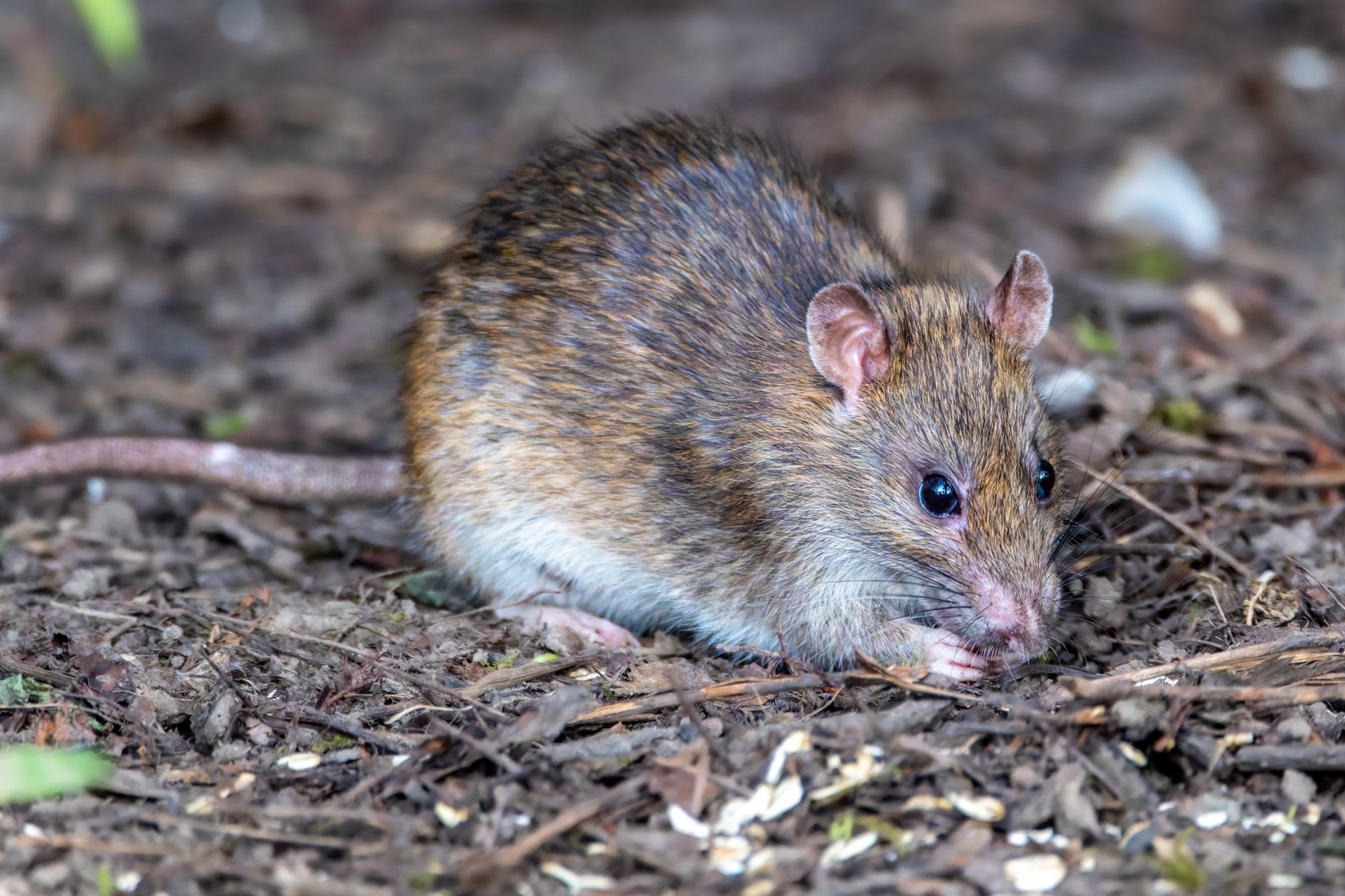
Rats can become a serious nuisance when they gain access to a home, commercial property, garage, storage area, or outdoor space. These pests are highly adaptable and can take advantage of relatively small openings, accessible food, water sources, and sheltered areas. Once rats establish a presence, they may be difficult to eliminate without addressing both the existing infestation and the conditions that allowed them to enter in the first place. Effective pest management therefore requires more than simply setting a trap or removing a visible rat. A successful approach should identify signs of activity, eliminate attractive conditions, secure potential entry points, and monitor the property for continued evidence of infestation.
The presence of rats should never be ignored. Droppings, gnaw marks, nesting materials, unusual odors, scratching sounds, and damaged food packaging can all indicate that rodents are active nearby. The U.S. Environmental Protection Agency identifies droppings, nesting materials, chewing damage, entry holes, and stale odors among the signs property owners should watch for. Early action can make the problem easier to manage because an established population may require more extensive intervention than a recently discovered infestation.
Understanding Why Rats Enter Properties
Rats are constantly searching for food, water, and shelter. Properties that unintentionally provide these resources can become attractive environments, particularly when outdoor and indoor areas are not regularly inspected. Open garbage containers, spilled food, pet food, compost, standing water, clutter, vegetation, and poorly maintained storage spaces can all contribute to conditions that encourage rodent activity.
A property does not need to be visibly dirty for rats to become a problem. Even well-maintained homes can have small gaps around plumbing, vents, doors, roofs, foundations, or utility connections. Once a rodent discovers a convenient entry point, it may begin exploring areas that provide warmth, food, or protection from predators.
Understanding these motivations is important because removing rats without correcting the conditions that attracted them can result in recurring problems. A long-term approach should therefore focus on making the property less accessible and less appealing. The EPA recommends preventing access, eliminating potential nesting areas, and removing food and water sources as fundamental components of rodent prevention.
Recognizing the Warning Signs of an Infestation
One of the most important aspects of early detection is knowing what to look for. Property owners may not always see rats directly because rodents are often most active in concealed areas or during periods when people are less likely to notice them. Instead, evidence of their activity may appear in cabinets, storage spaces, attics, garages, walls, crawl spaces, or outdoor areas.
Droppings are among the most recognizable signs. They may appear near food storage areas, beneath appliances, inside cabinets, along walls, or in hidden corners. Gnaw marks can provide another clue because rats frequently chew through materials and food packaging. Damaged cardboard, wood, plastic, wiring, and other materials may indicate that rodents have been active in the area.
Nesting materials are another warning sign. Shredded paper, fabric, insulation, dried vegetation, and similar materials may be gathered into concealed spaces. Scratching or movement sounds inside walls or ceilings can also suggest rodent activity. When multiple signs occur together, it is important to investigate rather than assuming the issue will disappear on its own.
Inspecting Potential Entry Points
Preventing rats from entering a property is one of the most effective ways to reduce future infestations. Even relatively small openings can become access points, so an inspection should cover both obvious and less visible areas. The CDC recommends checking around doors, windows, pipes, vents, foundations, roofs, utility lines, drains, and other areas where gaps may occur.
Particular attention should be given to locations where different materials meet. Cracks around plumbing penetrations, gaps around utility cables, damaged vent covers, deteriorated door seals, and openings around roof structures can create opportunities for rodents to enter.
Sealing these openings requires appropriate materials. Small gaps may be addressed with suitable metal mesh or other rodent-resistant materials, while larger openings may require more substantial repairs. Simply covering a hole with a weak or easily chewed material may provide only temporary protection.
Garages, sheds, storage structures, and other secondary buildings should also be inspected. Rats do not necessarily need to enter the main living areas to create a problem. They may establish nests in outbuildings and eventually find pathways into connected structures.
Eliminating Food Sources
Food availability is one of the strongest factors influencing rodent activity. Rats have excellent survival instincts and can exploit surprisingly small food sources. Leaving food exposed, allowing garbage to accumulate, or storing animal feed in easily accessible containers can make a property more attractive to rodents.
Food should be stored in secure containers with tight-fitting lids. Kitchen surfaces should be cleaned after food preparation, spills should be addressed promptly, and dishes should not be left dirty for extended periods. Garbage should be stored in containers that rats cannot easily access.
Pet food deserves special attention. Leaving food or water bowls outside overnight can provide a convenient food and water source. Outdoor feeding areas should be managed carefully, particularly when there is already evidence of rodent activity.
Compost and bird-feeding areas can also attract rodents. The EPA recommends managing food sources around the property and taking steps to prevent rodents from accessing them. Reducing available food makes the environment less attractive and supports the effectiveness of other control measures.
Removing Outdoor Shelter
Rats often seek sheltered locations where they can hide and build nests. Outdoor clutter can provide numerous opportunities for rodents to establish themselves. Wood piles, discarded materials, dense vegetation, accumulated leaves, unused equipment, and poorly maintained storage areas can all create hiding places.
Keeping outdoor areas organized can therefore contribute to effective prevention. Firewood and similar materials should be stored appropriately, while unnecessary debris should be removed. Vegetation should be maintained so that heavily overgrown areas do not provide easy shelter immediately beside buildings.
Storage sheds should also be kept organized. Boxes and unused materials should be elevated where practical, and potential nesting areas should be inspected regularly. Reducing clutter makes it easier to identify droppings, gnaw marks, nests, or other evidence of activity.
Understanding the Role of Traps
Trapping can be an effective component of a rodent-control strategy when used correctly. The CDC recommends traditional snap traps for reducing rodent populations around homes and advises placing traps in areas where rodent activity has been observed.
Trap placement matters because rats often travel along walls and concealed pathways. Positioning a trap in a random open area may be less effective than placing it along a route where signs of activity have been identified. Traps should always be positioned safely and kept away from children and pets.
Rats can also be cautious around unfamiliar objects. In some situations, allowing a rat to become accustomed to bait or a trap before activating it may improve the likelihood of successful trapping. The CDC notes that rats may take several days to approach traps and recommends continuing to monitor and reset traps until signs of activity stop.
Using Rodenticides Carefully
Poison-based products can be considered in some situations, but they require careful handling. Rodenticides can pose risks to children, pets, wildlife, and other animals if they are used incorrectly. The EPA recommends that consumer rodenticide products be used according to their labels and placed in appropriate tamper-resistant bait stations.
Homeowners should never assume that using more bait will produce faster results. More product does not necessarily mean better control and may increase the risk of accidental exposure. Product instructions should always be followed, including directions regarding placement, handling, storage, and disposal.
When an infestation is persistent or occurs in difficult-to-access areas, professional assistance may be a safer and more effective option. Professionals can assess the situation and determine whether trapping, exclusion, baiting, sanitation, or a combination of methods is appropriate.
Cleaning Areas Contaminated by Rats
Rodent waste requires careful handling. Droppings, urine, nesting materials, and dead rodents can potentially expose people to harmful contaminants. Cleaning should therefore be performed using appropriate precautions rather than simply sweeping or vacuuming contaminated material.
The CDC specifically advises against sweeping or vacuuming rodent droppings, urine, or nesting materials because this can disturb contaminated particles and increase exposure through the air. Instead, contaminated areas should be disinfected appropriately before waste is collected.
Hard surfaces can generally be disinfected using an appropriate household disinfectant or properly prepared bleach solution according to CDC guidance. Gloves should be worn, and hands should be washed thoroughly after cleanup. Heavy infestations may require additional protective equipment and professional assistance.
If insulation or other porous materials are heavily contaminated, cleaning may not always be practical. Such materials may require removal and replacement. Professional advice can be valuable when contamination is extensive or occurs in difficult-to-access areas.
Protecting Wiring and Structural Components
Rats can cause more than sanitation concerns. Their chewing behavior may damage materials throughout a property, including insulation, wood, plastic, and electrical wiring. Damage to wiring can potentially create serious safety concerns, making unexplained electrical problems or visible gnawing damage worth investigating.
Inspecting accessible wiring and structural areas can help identify signs of rodent activity. However, homeowners should not handle damaged electrical wiring themselves if they are not qualified to do so. A professional electrician should evaluate electrical damage when necessary.
Rats may also damage insulation while creating nests. If insulation becomes contaminated with urine and droppings, it may need specialized cleaning or replacement depending on its condition. Addressing these secondary problems is important because simply removing the rodents may not restore the affected area.
Why Prevention Is Better Than Repeated Treatment
A common mistake is to focus entirely on removing the rats while ignoring the conditions that allowed them to enter. If an entry hole remains open, new rodents may eventually replace those that were removed. Similarly, an easily accessible garbage area or outdoor food source may continue attracting rodents.
Effective prevention combines exclusion, sanitation, and environmental management. Entry points should be sealed, food should be stored securely, garbage should be managed properly, and outdoor shelter should be reduced. This integrated approach makes the property less attractive and more difficult for rodents to access.
The EPA emphasizes that preventing rodent access and eliminating food, water, and nesting opportunities are central to controlling infestations. Prevention is therefore not a single task but an ongoing part of property maintenance.
When Professional Help Is Appropriate
Some infestations can be difficult to resolve without professional assistance. Persistent activity after traps have been used, rats inside walls or ceilings, contaminated ventilation systems, large outdoor populations, and repeated infestations can all justify contacting a qualified pest professional.
Professionals can inspect areas that homeowners may not easily access and identify potential entry routes. They can also develop a treatment strategy based on the type and extent of the infestation. In difficult cases, simply placing traps may not be enough because the underlying access and nesting conditions remain unchanged.
When selecting a pest-control provider, property owners should look for appropriate experience, clear communication, transparent pricing, and safe treatment practices. It is useful to ask what methods will be used, whether exclusion work is included, and how follow-up inspections are handled.
Maintaining a Rat-Resistant Property
Once an infestation has been addressed, ongoing monitoring is important. Property owners should periodically inspect areas where rats are most likely to enter or hide. Checking garages, storage areas, outdoor structures, roof edges, utility penetrations, and foundations can help identify new vulnerabilities.
Food storage and garbage practices should remain consistent. Outdoor clutter should not be allowed to accumulate, and vegetation should be managed so that buildings remain accessible for inspection. Any newly discovered cracks, holes, damaged screens, or gaps should be repaired promptly.
Routine monitoring is especially valuable because early signs are generally easier to address than a well-established infestation. If new droppings or gnaw marks appear after a property has been treated, the situation should be investigated rather than assuming that the signs are old.
Choosing a Comprehensive Control Strategy
A successful rat control strategy should address the entire environment rather than relying on a single technique. Trapping may help reduce an active population, but exclusion prevents new rodents from entering. Sanitation removes food sources, while outdoor maintenance reduces shelter. Monitoring then helps determine whether the measures are working.
This integrated approach is generally more sustainable because it addresses the reasons rats are present rather than simply responding to individual sightings. It also allows property owners to identify weaknesses in their maintenance practices and correct them before another infestation develops.
For homeowners dealing with persistent activity, professional rat control can provide a structured assessment and treatment plan. Experienced professionals can evaluate the property, identify entry points, recommend preventative improvements, and determine which control methods are appropriate for the circumstances.
Conclusion
Rats can create significant challenges when they gain access to a property, but effective prevention and treatment are possible when the problem is approached systematically. Identifying signs such as droppings, gnaw marks, nesting materials, odors, and damaged packaging can help property owners recognize an infestation before it becomes more established.
The most effective approach combines several measures. Food and water sources should be managed, potential nesting areas should be reduced, entry points should be sealed, and appropriate traps or other control methods should be used carefully. The CDC and EPA both emphasize exclusion and removal of food and shelter as important parts of preventing rodent infestations.
Property owners researching rat control should also remember that removing visible rodents is only part of the solution. If gaps, food sources, and sheltered nesting areas remain available, the property may continue to attract rodents. Long-term success depends on correcting those conditions and monitoring the property afterward.
With consistent maintenance, careful inspection, responsible treatment, and professional assistance when needed, homeowners can significantly reduce the likelihood of recurring rat problems. A proactive approach protects the cleanliness, safety, and condition of the property while making it less attractive to rodents in the future.









1 thought on “Effective Strategies for Protecting Your Property from Persistent Rat Problems”
Comments are closed.