

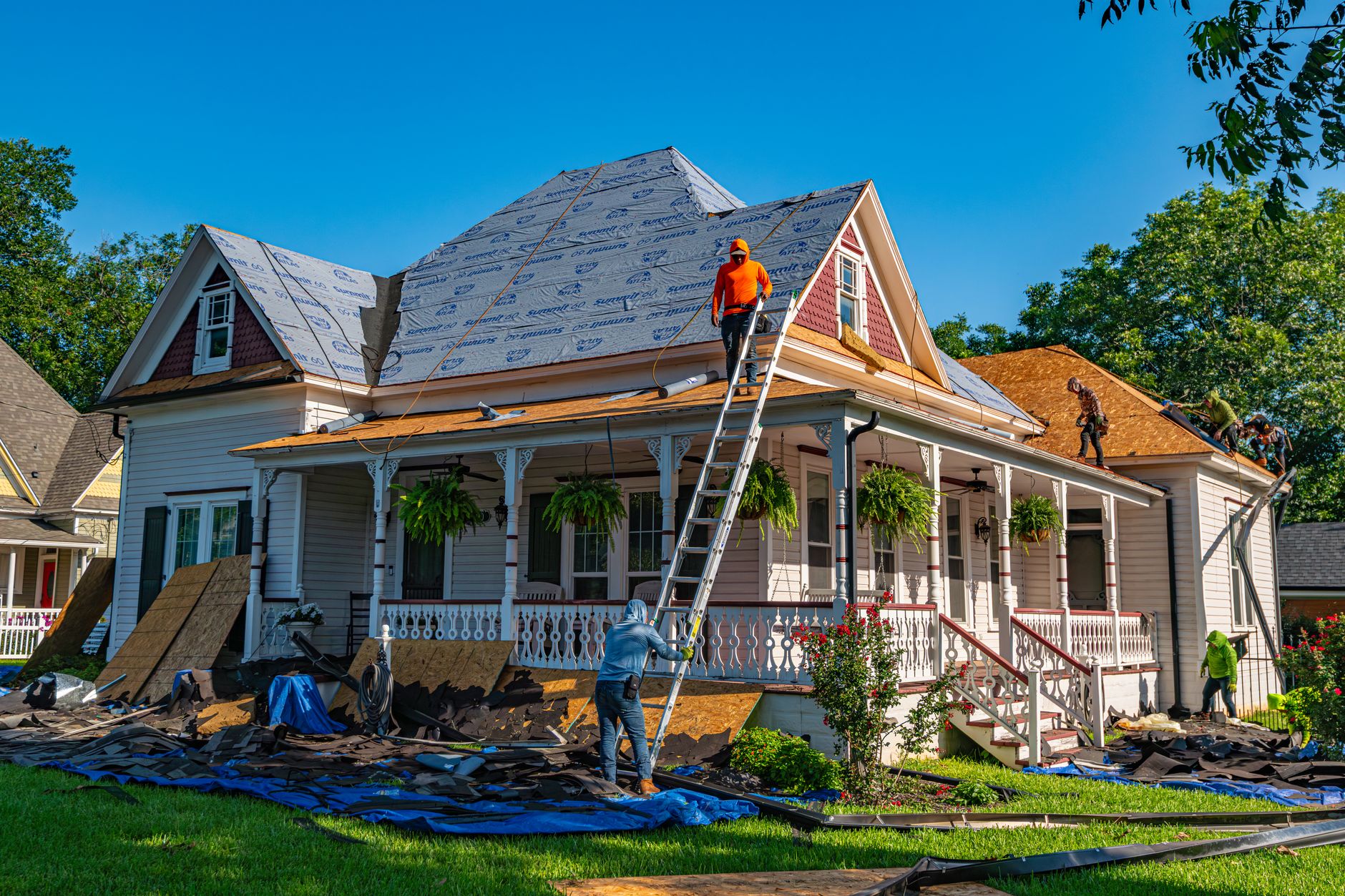
A roof is one of the most important protective components of any building because it stands between the interior and the effects of changing weather conditions. Over time, however, even a well-installed roof can experience deterioration caused by age, moisture, temperature changes, mechanical damage, poor maintenance, or repeated exposure to the elements. Flat roofs can be particularly important to monitor because their relatively low slope requires effective waterproofing and drainage to prevent water from remaining on the surface. When repairs are no longer sufficient, replacing the roof can provide a long-term solution and restore confidence in the building’s protection.
Understanding when replacement is necessary, what the process involves, and how to choose suitable materials can help property owners make informed decisions. A successful project requires more than simply removing the old covering and installing a new one. The condition of the underlying structure, insulation, drainage, flashing, waterproofing, and ventilation should all be considered. Careful planning can help prevent recurring problems and ensure that the new roof performs effectively for many years.
Understanding When a Flat Roof Needs Replacement
Determining whether a roof needs complete replacement or only targeted repairs is an important first step. Minor damage does not always justify removing the entire roofing system. Small punctures, isolated leaks, damaged flashing, or localized deterioration may sometimes be repaired effectively. However, when problems become widespread or the roofing material has reached the end of its useful service life, replacement may offer better long-term value.
Visible signs of deterioration can include cracking, blistering, bubbling, splitting, exposed underlying materials, sagging sections, and areas where the roofing surface has become noticeably worn. Persistent leaks are another major warning sign, particularly when water continues entering the building despite previous repair attempts. Repeated repairs can become increasingly expensive when the underlying roofing system is deteriorating throughout a large portion of the surface.
Age should also be considered, although it should not be the only deciding factor. Different roofing materials have different expected lifespans, and actual performance depends on installation quality, maintenance, exposure, drainage, and environmental conditions. A professional inspection can help determine whether the existing system has sufficient remaining service life or whether replacement would be a more practical investment.
Why Flat Roof Condition Matters
Flat roofs are not usually completely level. They are generally constructed with a slight gradient that allows rainwater to move toward drains, outlets, or other collection points. Because the slope is limited compared with a pitched roof, effective drainage becomes particularly important. If water cannot move away efficiently, it may remain on the surface for extended periods.
Standing water can place additional stress on roofing materials and may contribute to deterioration over time. Persistent moisture can also increase the likelihood of leaks when waterproofing systems have weakened or become damaged. In more serious situations, prolonged water accumulation may contribute to structural concerns, especially if the underlying components become saturated.
This is why drainage should be carefully assessed during any flat roof replacement project. Replacing the visible membrane without addressing inadequate drainage may leave the property vulnerable to similar problems in the future. A successful replacement should consider the entire roofing system rather than treating only the surface covering as the problem.
Common Reasons for Roof Replacement
There are several reasons a property owner may decide that replacement is preferable to continued repairs. One of the most common is extensive water damage. If moisture has penetrated beneath the roofing membrane and affected insulation or structural components, simply repairing the visible leak may not resolve the full issue. Wet insulation can lose effectiveness, while damaged structural materials may require additional attention.
Another reason is repeated failure. A roof that develops leaks in several locations over a relatively short period may indicate that the overall system has reached the end of its practical service life. Continuing to repair individual defects can provide temporary relief but may not represent the most economical long-term strategy.
Poor installation can also contribute to premature deterioration. Inadequate seams, incorrect drainage, insufficient flashing, unsuitable materials, or poor detailing around penetrations can all create vulnerabilities. If the original installation has widespread deficiencies, replacing the system with a properly designed and installed solution may be more effective than attempting to correct every individual problem.
Choosing the Right Roofing Material
The material selected for a new roof can significantly influence its durability, maintenance requirements, energy performance, and overall cost. Several types of flat roofing systems are available, and each has specific advantages and considerations. Common options include modified bitumen, built-up roofing, EPDM, PVC, and TPO membranes, although the most suitable choice depends on the property’s design and requirements.
EPDM is a synthetic rubber roofing membrane known for flexibility and resistance to various environmental conditions. It is often used in roofing applications where a durable waterproof membrane is required. PVC and TPO are thermoplastic membranes that can provide strong waterproofing performance and may offer useful resistance to certain environmental and chemical exposures.
Modified bitumen systems are another established option and can provide multiple layers of protection. Built-up roofing systems may also use several layers to create a robust waterproof barrier. Each material has different installation requirements, performance characteristics, and maintenance considerations, so property owners should evaluate the complete system rather than choosing based solely on initial price.
The Importance of Professional Inspection
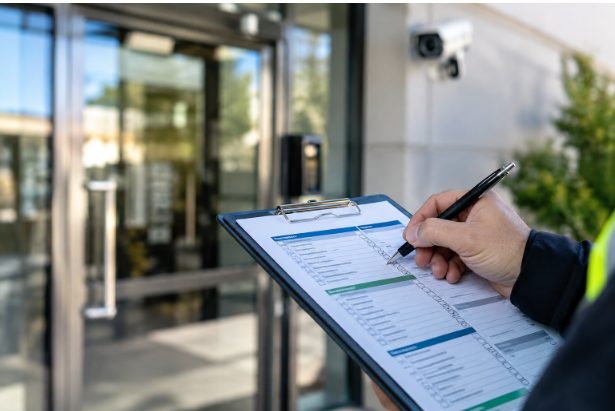
Before beginning a replacement project, a detailed inspection can provide valuable information about the current condition of the roof. An inspection should examine more than the visible membrane. Professionals may evaluate flashing, drainage components, insulation, roof edges, seams, penetrations, and areas where different materials meet.
The inspection can also help determine whether moisture has entered beneath the surface. Water damage is not always visible from the exterior, so relying solely on what can be seen from ground level may result in an incomplete assessment. Identifying hidden problems before installation begins can prevent them from being covered by the new roofing system.
A professional inspection also provides an opportunity to discuss the property’s specific needs. Factors such as roof access, existing equipment, drainage patterns, insulation requirements, and future maintenance can all influence the design. This planning stage is essential because a new roof should be designed around the building rather than installed as a generic solution.
Preparing for the Replacement Process
Preparation is an important part of any roofing project. Before work begins, the contractor should establish how the existing roofing system will be removed, how debris will be managed, and how the property will be protected during construction. If the building remains occupied, the work should be organized to minimize unnecessary disruption.
The existing roof may need to be removed completely or partially depending on the condition of the system and the chosen installation method. Once the old material is removed, the underlying deck and structural components can be inspected more thoroughly. Damaged areas may require repair before the new roofing materials are installed.
Preparation should also include reviewing drainage arrangements. Drains, outlets, scuppers, and related components should be checked for damage or blockage. If the existing drainage design is inadequate, improvements may be necessary as part of the replacement. Addressing these issues during the project can be much more practical than discovering them after the new roof has already been installed.
Addressing Insulation and Energy Efficiency
A roof replacement provides an opportunity to evaluate the building’s insulation. Insulation plays an important role in regulating indoor temperatures and reducing energy transfer through the roof. If existing insulation is damaged, wet, compressed, or insufficient, replacing or upgrading it may improve the overall performance of the roofing system.
The appropriate insulation strategy depends on the building’s construction, climate requirements, roof assembly, and applicable building standards. Different insulation materials offer different levels of thermal resistance and moisture performance. Professional design can help determine which approach is appropriate.
Improving insulation during a replacement project may also provide long-term benefits beyond immediate roof protection. Better thermal performance can contribute to a more comfortable interior environment and may help reduce heating or cooling demands. Because the roof is already being opened and rebuilt, addressing insulation at this stage can be more efficient than attempting to make major improvements later.
Managing Drainage and Water Flow
Drainage should be treated as a central component of flat roof design. A waterproof membrane is important, but it should work together with an effective system that directs water away from the roof surface. Drains should be appropriately positioned, and the roof should have sufficient falls to encourage water movement.
Blocked drains can create problems even when the roof itself is structurally sound. Leaves, dirt, debris, and other materials can accumulate around drainage points and restrict water movement. Regular maintenance is therefore necessary after installation to preserve the effectiveness of the system.
In some cases, the replacement project may reveal that the original roof has inadequate falls. Correcting the slope through tapered insulation or other appropriate methods can help improve drainage. This type of improvement demonstrates why a replacement should be viewed as an opportunity to correct underlying design issues rather than simply installing a new surface over the existing arrangement.
Understanding the Role of Flashing
Flashing protects vulnerable areas where the roof meets walls, edges, vents, pipes, skylights, equipment, and other structures. These transition points can be particularly susceptible to water penetration because multiple materials and surfaces meet in a relatively small area.
Damaged or poorly installed flashing can allow water to enter even when the main roofing membrane appears to be in good condition. During a replacement, flashing should therefore be inspected carefully and replaced or upgraded where necessary.
Proper detailing around penetrations is equally important. Pipes, vents, HVAC equipment, and other rooftop features can create potential weak points. The new roofing system should be carefully integrated around these elements to create a continuous and reliable waterproof barrier.
Why Installation Quality Matters
Even high-quality roofing materials can perform poorly when they are installed incorrectly. Seams must be properly formed, membranes must be securely attached or adhered according to the system requirements, and flashing must be installed with appropriate attention to detail. Small installation errors can eventually create leaks or premature deterioration.
Experienced contractors understand how different materials behave and how roofing systems should be installed under varying conditions. They can also identify potential complications before they become serious problems. Choosing a qualified professional can therefore be just as important as selecting the right material.
Property owners should consider the contractor’s experience, references, workmanship standards, insurance, warranties, and ability to explain the proposed system clearly. A reliable contractor should be willing to discuss the installation process and answer questions about materials, drainage, maintenance, and expected performance.
How to Plan a Flat Roof Replacement Budget
Roof replacement costs can vary considerably depending on the size and complexity of the roof, the selected material, the condition of the existing structure, insulation requirements, drainage improvements, labor, and disposal of old materials. It is therefore difficult to evaluate a project accurately using a simple price-per-area estimate alone.
A realistic budget should account for potential underlying repairs. Once an old roofing system is removed, contractors may discover damaged decking, wet insulation, deteriorated flashing, or other issues that were not visible during the initial inspection. Allowing some contingency in the budget can make it easier to handle these unexpected conditions without delaying the project.
Property owners should also consider long-term value rather than focusing exclusively on the lowest upfront cost. A cheaper system may not always provide the best performance or lifespan. Spending appropriately on quality materials, professional installation, drainage improvements, and proper insulation can reduce future maintenance requirements and provide greater value over time.
Maintaining the New Roofing System
A new roof still requires regular maintenance. Replacement does not eliminate the need for inspections, drainage cleaning, and prompt attention to minor defects. Keeping the roof clear of unnecessary debris can help maintain drainage and reduce avoidable wear.
Drainage outlets should be checked periodically, particularly after periods of heavy weather. Flashing, seams, edges, and penetrations should also be inspected for visible deterioration. Early identification of a small defect can make repairs much simpler than waiting until water has entered the building.
It is also important to avoid unnecessary damage caused by foot traffic or improper rooftop activities. Equipment servicing and other maintenance work should be performed carefully so that the roofing membrane is not punctured or damaged. Where regular access is required, appropriate walkways or protective measures may be beneficial.
Warning Signs After Installation
Although a properly installed roof should provide reliable protection, property owners should remain aware of potential warning signs. New water stains inside the building, unusual dampness, persistent puddles, bubbling materials, damaged flashing, or visible membrane defects should be investigated promptly.
Not every visible issue indicates a serious failure, but ignoring warning signs can allow minor defects to become larger problems. Regular inspections provide an opportunity to identify deterioration before it affects insulation or structural components.
A maintenance record can also be useful. Keeping track of inspection dates, repairs, warranties, and significant maintenance work allows property owners to monitor the roof’s condition over time. This information can also help contractors understand the history of the system when future repairs or inspections are required.
The Long-Term Benefits of Replacement
Investing in a new roofing system can provide several long-term advantages. Improved waterproofing can reduce the risk of leaks, while better insulation can contribute to improved energy performance. Updated drainage can help manage rainwater more effectively, and modern roofing materials may offer improved durability compared with an aging system.
Replacement can also improve the overall appearance and condition of the property. An aging roof may make a building look neglected even when other areas are well maintained. A new, professionally installed system can create a cleaner and more finished appearance while providing functional benefits.
Planning comprehensive updates often involves coordinating various home improvements at the same time. Property owners investing in exterior remodeling in Silver Spring MD frequently align roof projects with siding, trim, or gutter work to ensure consistent weather protection and unified visual appeal across the entire building exterior.
Most importantly, replacement can provide greater confidence in the building’s protection. Instead of repeatedly worrying about leaks and emergency repairs, property owners can establish a planned maintenance strategy around a newer roofing system. This can make future upkeep more predictable and potentially reduce unexpected expenses.
Making the Right Replacement Decision
Choosing whether to replace a roof is a significant decision, and it should be based on the overall condition of the system rather than one isolated defect. Property owners should consider the roof’s age, repair history, visible deterioration, drainage performance, insulation condition, and likelihood of future problems.
When repairs are becoming frequent and the existing system is approaching the end of its useful life, replacement may offer better long-term value. On the other hand, a relatively new roof with isolated damage may only require targeted repairs. Professional assessment can help distinguish between these situations.
For homeowners researching flat roof replacement, understanding the complete process makes it easier to evaluate recommendations and compare options. The goal should be to select a system that provides reliable waterproofing, appropriate drainage, suitable insulation, and long-term durability while remaining compatible with the building’s structure and budget.
Conclusion
A roof replacement is a major property improvement that requires careful planning, suitable materials, skilled installation, and ongoing maintenance. Flat roofing systems require particular attention to waterproofing and drainage because their low slope can make standing water a significant concern. Replacing an aging or extensively damaged system provides an opportunity to address these issues while improving insulation, flashing, drainage, and overall roof performance.
The decision should not be based solely on appearance or initial cost. A comprehensive assessment can reveal hidden moisture, damaged structural components, inadequate drainage, or insulation problems that need to be addressed as part of the project. Selecting quality materials and an experienced contractor can further improve the likelihood of long-term performance.
For anyone considering flat roof replacement, the best approach is to view the project as a complete roofing-system upgrade rather than simply replacing a worn surface. Proper design, professional installation, regular inspections, and preventative maintenance can help extend the service life of the new roof and protect the building from avoidable water damage.
Ultimately, a well-planned replacement can provide much more than a new roof. It can improve protection, comfort, energy performance, appearance, and peace of mind. By understanding the available options and taking the time to address underlying problems, property owners can make a confident investment in the long-term condition and reliability of their building.






1 thought on “From Inspection to Installation: What to Expect During a Professional Flat Roof Replacement”
Comments are closed.