A roof is one of the most important protective components of any building, shielding the interior from rain, wind, sunlight, temperature changes, and other environmental conditions. Choosing the right roofing material can therefore have a major impact on the comfort, appearance, maintenance requirements, and long-term performance of a property. Metal roofing has become a popular option for property owners seeking a durable roofing system that combines strength with modern design flexibility. Available in several profiles, coatings, colors, and finishes, metal roofs can complement traditional, contemporary, agricultural, and commercial structures.
Although metal roofing is known for its durability, choosing and installing the right system requires careful planning. Factors such as the type of metal, roof design, underlayment, fastening method, ventilation, insulation, drainage, and installation quality all contribute to the final performance of the roof. Understanding these elements can help property owners make better decisions and avoid common problems associated with improper installation or unsuitable material selection.
Understanding Metal Roofing
Metal roofing is a roofing system manufactured from materials such as steel, aluminum, zinc, or copper. These materials can be formed into panels, shingles, tiles, or other profiles designed to cover and protect a building. Steel is one of the most commonly selected options because it combines strength, availability, and relatively manageable costs. Aluminum is lightweight and naturally resistant to corrosion, while copper and zinc can provide distinctive appearances and long service lives.
Modern metal roofs are very different from the simple corrugated panels commonly associated with older structures. Today's systems can imitate the appearance of traditional shingles, slate, tile, or standing-seam designs while providing the performance characteristics associated with metal construction. This variety allows homeowners and property managers to choose a roof that fits both practical requirements and architectural preferences.
A properly installed metal roof can provide dependable protection for many years. However, its longevity depends on material quality, environmental exposure, installation methods, maintenance, and the condition of the underlying roof structure.
Major Benefits of Metal Roofing
One of the most significant advantages of metal roofing is durability. High-quality metal panels can withstand many common forms of weather exposure, including strong winds, heavy precipitation, and sunlight. Unlike some roofing materials that can become brittle or deteriorate relatively quickly, properly coated metal can maintain its protective qualities for a long period.
Metal roofing is also relatively lightweight compared with some other roofing materials. The exact weight depends on the product, but many metal systems place less load on a structure than heavier alternatives. This characteristic can be useful when evaluating roofing options for certain buildings, although the existing structure should always be assessed before installation.
Another advantage is the wide range of available styles. Property owners can select from different panel profiles, colors, textures, and finishes. This makes it possible to achieve either a traditional appearance or a modern architectural look.
Metal roofs can also require comparatively little maintenance when they are correctly installed. Routine inspections, cleaning, and prompt attention to damaged coatings or fasteners can help preserve the system and extend its service life.
Different Types of Metal Roofing
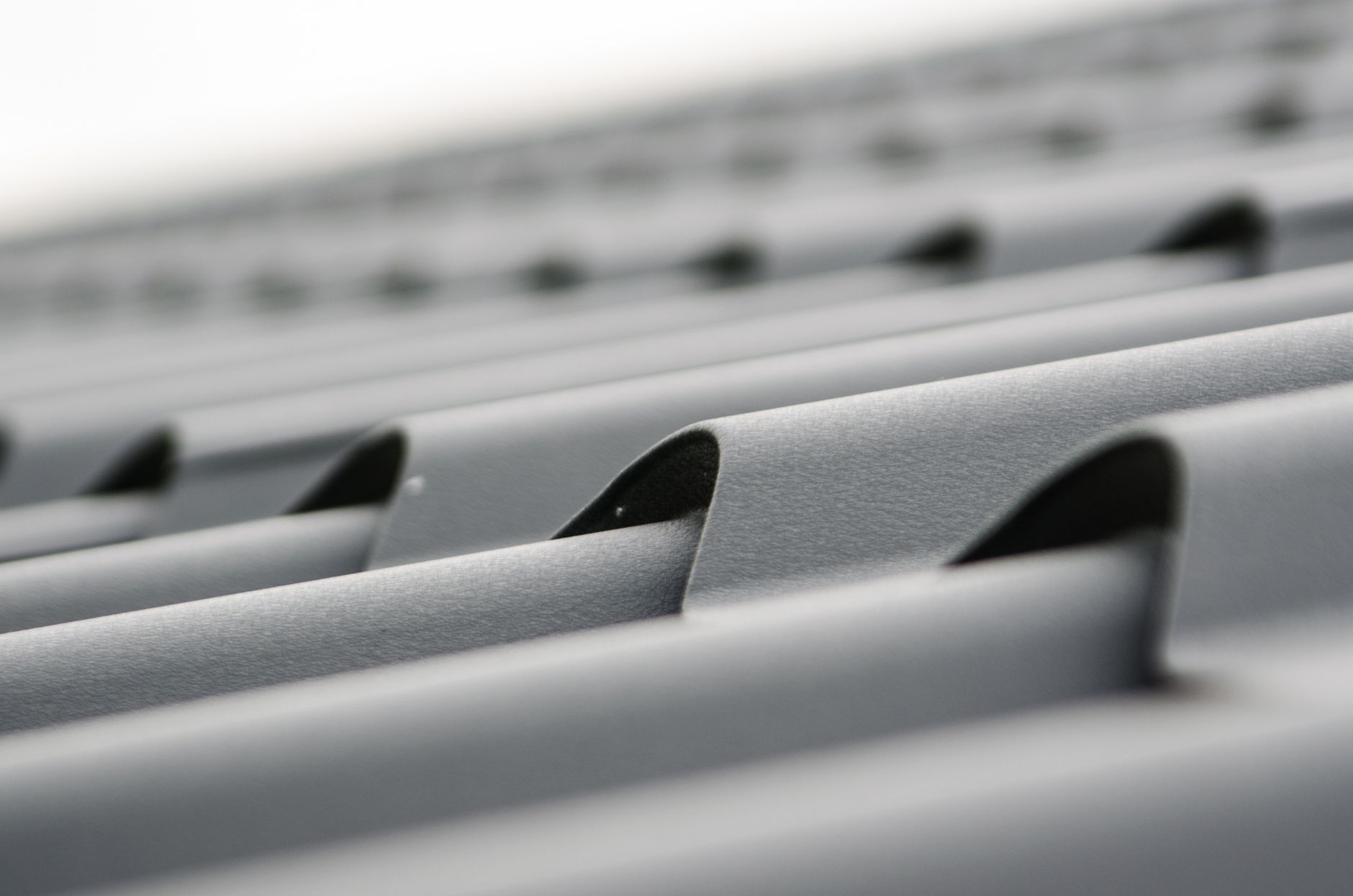
Standing seam metal roofing is one of the most recognizable modern systems. It uses long panels with raised seams that connect adjacent sections. Many standing seam systems conceal their fasteners, creating a clean appearance and reducing the number of exposed fastening points.
Exposed-fastener panels are another common option. These systems use screws or other fasteners that remain visible on the surface. They can be cost-effective and are widely used for certain residential, agricultural, and commercial applications. Because fasteners and washers are exposed to the elements, they should be inspected periodically for deterioration or loosening.
Metal shingles are designed to resemble conventional roofing materials while providing the durability of metal. They can be manufactured to imitate wood shakes, slate, or other textures. This makes them suitable for properties where the owner wants a more traditional appearance.
Different metal materials also provide different characteristics. Steel can offer strong structural performance and is often protected with metallic coatings and paint finishes. Aluminum is lightweight and resistant to corrosion, making it useful in environments where moisture exposure is a concern. Copper and zinc can provide distinctive appearances and can develop natural surface changes over time.
Choosing the Right Metal
Selecting the appropriate metal involves more than comparing prices. Steel is frequently chosen because it provides a strong balance between durability and affordability. Galvanized or other protective coatings can help protect steel against corrosion, while painted finishes provide additional aesthetic and protective benefits.
Aluminum is naturally resistant to corrosion and is relatively lightweight. It can be particularly useful in areas where moisture exposure makes corrosion resistance a priority. However, aluminum has different expansion and contraction characteristics from steel, so installation techniques need to be appropriate for the material.
Copper is often selected for architectural reasons and its long-term performance. It changes appearance over time as its surface develops a distinctive patina. Zinc offers another premium option and is known for its ability to develop a protective surface layer.
The right material should be selected based on budget, appearance, expected exposure, structural considerations, and desired service life.
Importance of Proper Roof Preparation
Before new metal roofing is installed, the existing roof structure and deck should be evaluated. Damaged sheathing, deteriorated framing, or moisture problems should be addressed before the new roof is installed. Covering structural or moisture-related problems with new panels can hide the issue and potentially create larger problems later.
The roof deck should be clean, sound, and suitable for the selected roofing system. Underlayment and other protective layers should be installed according to the requirements of the roofing product.
Roof preparation should also include an assessment of flashing. Areas around chimneys, vents, skylights, valleys, walls, and other penetrations are particularly important because they can become pathways for water if not detailed correctly.A high-quality metal roof depends on the entire roof assembly rather than the panels alone. Preparation is therefore an essential part of the project.
The Role of Underlayment
Underlayment provides an additional layer of protection beneath the metal panels. It can help manage moisture and protect the roof deck from water that may reach beneath the roofing material.
The appropriate underlayment depends on the roof design, local requirements, climate conditions, and manufacturer's specifications. Some systems use synthetic underlayments, while others may require specialized products in certain applications.
Underlayment should be installed with attention to seams, penetrations, valleys, and other vulnerable areas. It should work together with flashing and the metal panels rather than being treated as an isolated component.Proper underlayment installation can improve the resilience of the roofing system and provide an additional line of defense against moisture.
Fastening and Installation Techniques
Fastening is one of the most important aspects of metal roof installation. Fasteners must be compatible with the roofing material and supporting structure. Their placement, spacing, and installation pressure should follow the requirements of the specific system.
Over-tightening exposed fasteners can damage washers and deform the metal around the connection. Under-tightening can leave gaps that allow water to enter. Both situations can compromise the roof's long-term performance.Metal expands and contracts as temperatures change. Installation methods must allow the roofing system to accommodate normal thermal movement without buckling, tearing, or loosening connections.
Standing seam systems often use clips or other fastening mechanisms that allow panels to move while remaining securely attached. The specific approach varies by product, so installation should follow the manufacturer's requirements.
Metal Roofing and Weather Resistance
Metal roofs are known for their ability to withstand a variety of weather conditions. Properly installed systems can provide strong resistance to wind and precipitation, while protective finishes can help reduce deterioration caused by sunlight and environmental exposure.
However, no roofing system is completely immune to damage. Severe storms, falling branches, hail, debris, and other impacts can dent or puncture panels. Damage should be inspected promptly because even a relatively small opening can allow water to enter the roof assembly.
Snow and ice can also create challenges in some environments. The roof's slope, panel profile, drainage design, and snow management features should be considered when selecting and installing a system.Weather resistance depends not only on the metal itself but also on the quality of the installation. Flashing, fasteners, seams, penetrations, and drainage details must all be properly constructed.
Energy Efficiency Considerations
Metal roofing can contribute to an energy-conscious building design, particularly when it is combined with appropriate insulation, ventilation, and reflective coatings. Some finishes are designed to reflect a portion of solar radiation, which can reduce heat absorption under certain conditions.
However, roofing material alone does not determine a building's energy performance. Insulation, air sealing, ventilation, windows, building orientation, and mechanical systems all play important roles.
During a roofing project, property owners may have an opportunity to evaluate insulation and attic ventilation. Improving these components alongside the roof can help create a more balanced and efficient building envelope.It is important to choose roofing products based on the overall performance requirements of the property rather than assuming that any metal roof will automatically produce significant energy savings.
Maintenance Requirements
One advantage of metal roofing is that it can require relatively limited maintenance, but regular inspections are still important. Property owners should periodically examine the roof for damaged panels, loose fasteners, deteriorated sealants, scratches, corrosion, and blocked drainage areas.
Leaves and debris should not be allowed to accumulate around valleys, gutters, or other areas where water needs to flow freely. Organic debris can retain moisture against the roofing surface and interfere with drainage.Branches should also be kept from repeatedly rubbing against the roof. Constant friction can damage protective coatings and expose the underlying metal.
If a panel becomes scratched or damaged, the appropriate repair method depends on the type of metal and finish. Touch-up coatings may be suitable for certain surface damage, while more serious damage may require panel replacement.
Repairing a Metal Roof
Metal roofing can develop problems for several reasons, including storm impact, corrosion, loose fasteners, failed sealants, installation defects, and normal aging. The correct repair method depends on the cause and extent of the damage.
Minor issues such as a deteriorated fastener or small area of coating damage may be relatively straightforward to correct. More extensive corrosion or panel damage may require replacement of affected sections.
Leaks should always be investigated rather than simply sealed from the inside. Water can travel along the underside of panels and appear far from the actual point of entry. A professional inspection can help identify the source and determine whether flashing, seams, fasteners, or another component is responsible.
Temporary repairs may stop visible water intrusion, but addressing the underlying problem provides a more reliable long-term solution.
Professional Metal Roofing Installation
Although some property owners may consider roofing a suitable do-it-yourself project, metal roof installation involves numerous details that can affect performance. Professionals understand how to handle panel alignment, flashing, fasteners, underlayment, penetrations, and thermal movement.
An experienced roofing contractor can also evaluate the existing roof structure and identify conditions that may need correction before installation. This can help prevent problems that would otherwise remain hidden beneath the new roof.
When choosing a contractor, property owners should ask about experience with the specific metal roofing system being considered. Different products have different installation requirements, and familiarity with the manufacturer's specifications can be valuable.A detailed estimate should clearly identify materials, preparation, removal of existing roofing when applicable, flashing, underlayment, ventilation work, cleanup, and other relevant components.
Cost Factors to Consider
The cost of a metal roof depends on several factors. Material type, panel profile, roof size, roof complexity, labor, underlayment, flashing, insulation, structural repairs, and removal of existing roofing can all influence the final price.
Simple roof designs with fewer penetrations and straightforward slopes may be less complex to install than roofs containing multiple valleys, dormers, skylights, chimneys, or changes in elevation.
Premium metals and custom finishes can also increase the initial investment. However, comparing roofing systems solely by upfront cost can overlook differences in durability, maintenance, and expected service life.
A better evaluation considers the overall value of the roofing system over time. A durable roof with appropriate installation and maintenance may provide a strong long-term return even if its initial cost is higher than some alternatives.
Common Metal Roofing Mistakes
One common mistake is choosing a roofing system without considering the existing structure. The building should be evaluated to ensure that the selected system is appropriate for the roof assembly.
Another mistake is overlooking flashing. Even high-quality metal panels can leak if flashing around roof penetrations and transitions is poorly designed or installed.Improper fastener installation is another concern. Incorrect spacing, unsuitable fasteners, or excessive tightening can contribute to leaks and premature deterioration.
Some property owners also assume that metal roofing requires no maintenance. Although it generally requires less maintenance than some roofing materials, periodic inspections are still necessary. Small issues can become more difficult to repair when they are allowed to continue for years.
Finally, choosing a contractor based solely on the lowest price can create problems. Roofing quality depends heavily on installation, and cutting corners during preparation or fastening can reduce the expected service life of the system.
When Metal Roofing May Be a Good Choice
Metal roofing can be an attractive option for property owners who prioritize durability, long-term performance, and design flexibility. It is available in numerous styles and can suit both traditional and contemporary buildings.
It can also be appealing for owners who want a roof that requires relatively little routine maintenance while providing strong resistance to many common weather conditions. The lightweight nature of many metal systems may provide additional advantages when compared with heavier roofing materials.
However, metal roofing is not automatically the ideal choice for every property. Budget, architectural style, climate, existing roof structure, noise considerations, and installation requirements should all be evaluated before making a final decision.
A professional assessment can help determine whether a specific metal roofing system is suitable for the building and whether any structural or drainage improvements should be completed before installation.
Final Thoughts on Choosing a Durable Metal Roof
Metal roofing offers a combination of durability, style, weather resistance, and long-term performance that makes it an appealing choice for many properties. With different materials, profiles, coatings, and finishes available, property owners can select a system that meets both practical and aesthetic requirements.
The quality of the installation is just as important as the quality of the roofing material. Proper preparation, sound underlayment, correctly installed flashing, suitable fasteners, appropriate allowances for thermal movement, and effective drainage all contribute to the performance of the finished roof.
Regular maintenance should also remain part of the property's long-term care plan. Inspections can identify loose fasteners, damaged coatings, corrosion, debris accumulation, and other issues before they develop into more serious problems. Prompt repairs can help preserve the roof and reduce the risk of interior water damage.
Ultimately, a successful roofing project requires more than simply selecting attractive metal panels. It requires thoughtful planning, appropriate materials, skilled installation, and ongoing care. When these elements work together, a metal roof can provide dependable protection and an attractive exterior while offering lasting value for the property.