

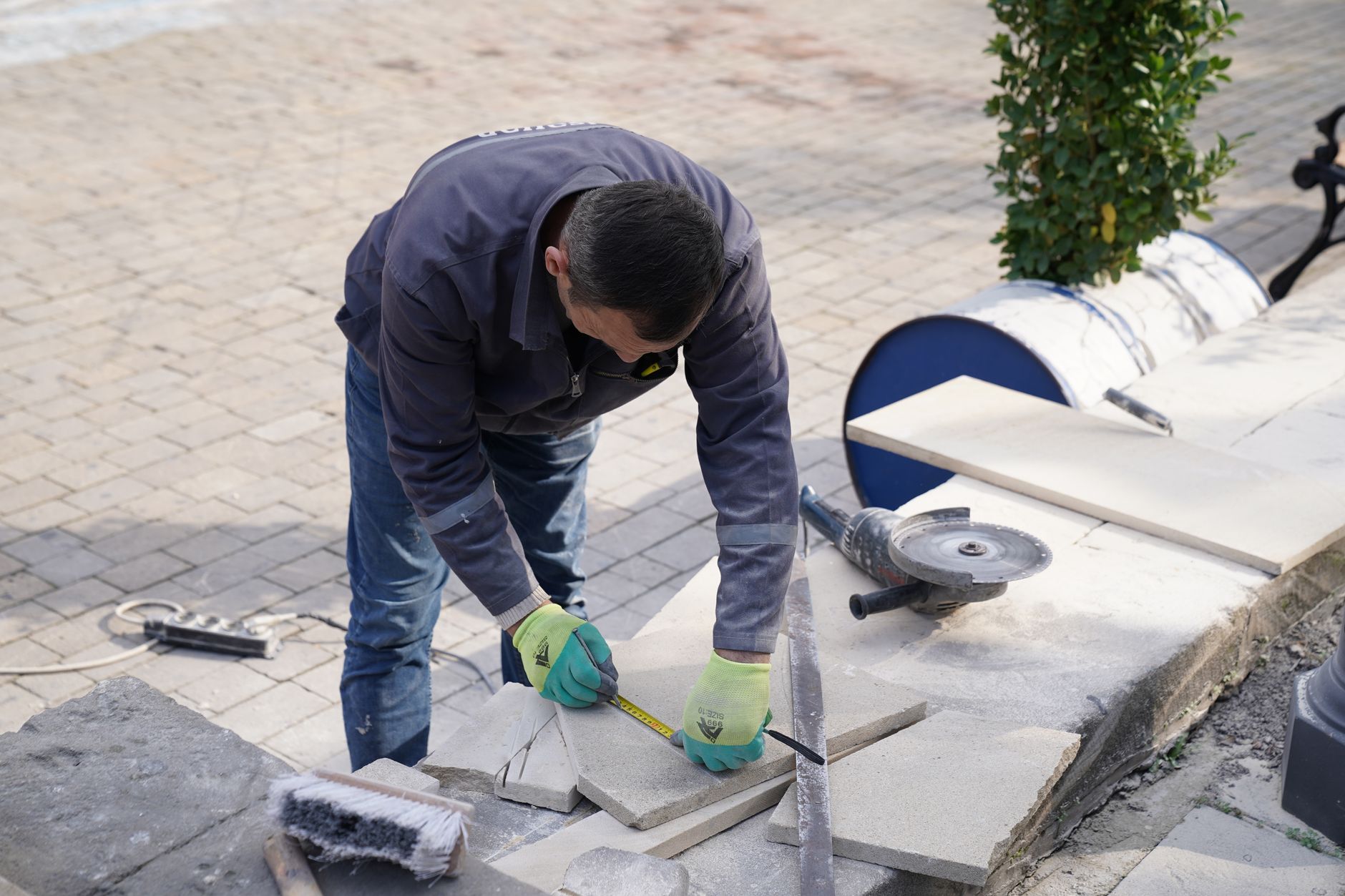
Masonry is one of the most durable construction methods available, but even the strongest brick, block, stone, and mortar structures can deteriorate over time. Exposure to rain, moisture, temperature changes, wind, settlement, poor drainage, and normal aging can gradually affect masonry surfaces and the joints that hold individual units together. Small cracks, loose bricks, crumbling mortar, water stains, and deteriorating surfaces may initially appear to be minor cosmetic issues, yet they can develop into more serious structural and moisture-related problems when they are ignored. Understanding how masonry damage develops, how it should be assessed, and which repair methods are appropriate can help property owners protect their buildings while preserving their appearance and value.
Understanding Masonry and Why It Requires Proper Maintenance
Masonry refers to construction using individual units such as bricks, concrete blocks, natural stone, or manufactured masonry products joined together with mortar. These materials are valued for their strength, fire resistance, durability, and timeless appearance. Masonry walls can remain functional for decades when they are correctly designed, constructed, and maintained. However, durability does not mean that masonry is completely immune to damage.
One of the most common causes of masonry deterioration is moisture. Water can enter through cracks, porous materials, damaged joints, improperly sealed openings, defective flashing, or poor drainage systems. When moisture remains inside a wall, it can contribute to mortar deterioration, staining, biological growth, and damage caused by repeated freezing and thawing in colder climates. Even where freezing temperatures are not a concern, persistent moisture can weaken masonry components and create conditions that accelerate deterioration.
Movement is another important factor. Buildings naturally experience minor movement as materials expand and contract with temperature changes and as structures settle. When movement exceeds what the masonry system can accommodate, cracks can develop. Some cracks are primarily cosmetic, while others may indicate movement that requires professional evaluation. This is why simply filling a visible crack without understanding its cause can provide only a temporary solution.
Common Signs That Masonry Needs Attention
Recognizing early warning signs can make repairs more manageable and less expensive. Cracked mortar joints are among the most visible indications of deterioration. Mortar may become soft, powdery, recessed, or separated from adjacent masonry units. In some cases, joints deteriorate gradually because of weather exposure, while in others, improper original mortar selection or installation contributes to premature failure.
Cracked or displaced bricks are another warning sign. Individual masonry units may crack because of impact, moisture intrusion, structural movement, or deterioration around the surrounding mortar. If bricks begin to bulge outward or sections of a wall appear uneven, the issue deserves prompt attention because displacement can sometimes indicate more significant instability.
Water-related stains can also reveal hidden problems. Darkened areas, white powdery deposits, or recurring discoloration may indicate that moisture is moving through the masonry. White deposits, commonly known as efflorescence, occur when water carries dissolved salts to the surface and evaporates. Efflorescence is not always a structural problem, but recurring deposits should encourage an investigation into where the moisture is coming from.
Other warning signs include spalling, loose masonry units, deteriorating corners, damaged areas around windows and doors, gaps between masonry and other building materials, and visible deterioration near the foundation. The sooner these symptoms are evaluated, the easier it is to identify the underlying cause and select an appropriate repair method.
Why Professional Assessment Matters
A successful repair begins with an accurate diagnosis. Masonry damage is often a symptom rather than the original problem. For example, a crack may be caused by structural movement, water intrusion, thermal expansion, foundation settlement, or an incompatible repair material. Treating only the visible surface without identifying the cause can result in repeated repairs and unnecessary expense.
A professional assessment typically involves examining the condition of masonry units, mortar joints, wall alignment, drainage components, openings, flashing, sealants, and surrounding materials. The pattern, width, direction, and location of cracks can provide useful information about what is happening within the structure. A qualified professional may also inspect areas that are not immediately visible, particularly when water infiltration or structural movement is suspected.
The goal is not simply to make damaged masonry look new. The objective is to restore appropriate performance while addressing the factors that caused the deterioration. A well-planned repair should consider compatibility, durability, appearance, moisture management, and the expected movement of the building.
Repointing Deteriorated Mortar Joints
Repointing is one of the most common masonry maintenance procedures. It involves removing deteriorated mortar from joints and replacing it with suitable new mortar. Over time, weather exposure and moisture can cause mortar joints to weaken. If the deterioration progresses, water can penetrate deeper into the wall and increase the risk of damage.
Proper repointing requires more than simply applying new mortar over an old surface. Loose and deteriorated material must be removed to an appropriate depth without unnecessarily damaging surrounding masonry. The joint is then prepared, cleaned, and filled with compatible mortar. The new material should be selected carefully because mortar that is significantly harder or less permeable than the original masonry can create problems.
Compatibility is especially important in older buildings. Traditional masonry systems often depend on relatively softer, more breathable mortar to accommodate movement and allow moisture to escape. Using an excessively hard mortar can transfer stress into bricks or stones, potentially contributing to cracking and surface deterioration. The repair material should therefore be appropriate for the existing construction rather than selected solely for maximum compressive strength.
Repairing Cracked Masonry Units
Cracked bricks, blocks, and stones require a different approach depending on the severity and cause of the damage. Hairline surface cracks may sometimes be addressed with suitable repair materials when they are stable and nonstructural. Larger cracks, recurring cracks, or cracks associated with displacement should be evaluated more carefully.
If a masonry unit has lost significant strength or is badly damaged, replacement may be more appropriate than surface patching. The replacement unit should match the existing masonry as closely as practical in size, color, texture, and performance characteristics. A visually noticeable repair can reduce the overall appearance of an otherwise well-maintained wall, so matching materials is an important part of quality workmanship.
Cracks around windows, doors, corners, and structural transitions deserve particular attention because these areas commonly experience stress and movement. Repairing the crack without determining why it developed can lead to recurrence. Where movement is ongoing, the repair strategy may need to accommodate that movement rather than attempting to create a completely rigid surface.
Addressing Water Intrusion and Drainage Problems
Moisture management is one of the most important parts of maintaining masonry. Even a beautifully repaired wall can deteriorate again if water continues to enter the structure. Before or during repair work, drainage conditions should therefore be considered.
Roof drainage systems, gutters, downspouts, flashing, coping, window interfaces, and sealants can all affect masonry performance. Water that repeatedly runs down a wall can accelerate deterioration, particularly when joints are already weakened. Downspouts should direct water away from vulnerable areas, while damaged flashing and failed sealants should be repaired where necessary.
Water may also enter through porous masonry or defects in the wall assembly. In some construction systems, drainage cavities and weep openings are designed to allow moisture to escape. If these components become blocked, water may accumulate within the wall. Keeping drainage paths functional is therefore an important preventive measure.
A waterproof coating is not always the best solution. Some masonry systems need to release moisture naturally, and applying an unsuitable coating can trap water within the wall. Moisture problems should be diagnosed before a coating or sealant is selected.
Dealing With Spalling and Surface Deterioration
Spalling occurs when the surface of masonry breaks away, flakes, or becomes detached. It can affect bricks, concrete masonry units, stone, and other materials. Moisture penetration, freeze-thaw cycles, corrosion of embedded metal, poor material quality, and other factors can contribute to spalling.
The appropriate treatment depends on the cause and extent of the deterioration. Small localized areas may sometimes be repaired with compatible patching materials, while severely damaged units may need replacement. Where corrosion of embedded components is involved, simply restoring the surface without addressing the corrosion will not provide a lasting solution.
Spalling should not be dismissed as purely cosmetic. Once the protective outer surface has deteriorated, moisture can gain easier access to the material beneath. Prompt assessment can help prevent localized damage from spreading.
Selecting the Right Materials
Material selection has a major influence on repair quality. Mortar, brick, stone, block, sealant, patching compounds, and protective treatments should work with the existing building rather than against it. Differences in hardness, porosity, thermal movement, and moisture permeability can create stress when incompatible products are combined.
Color and texture also matter. A technically sound repair that looks dramatically different from the surrounding wall may be visually distracting. For historically significant or architecturally distinctive masonry, matching the original character can be especially important.
Before large-scale work begins, it can be useful to test proposed materials in a small, inconspicuous area. This allows the appearance and compatibility of the repair to be evaluated before the entire surface is treated. Professional guidance is valuable when the existing materials are old, unusual, or difficult to identify.
The Importance of Proper Workmanship
Even high-quality materials can fail when installation is poor. Masonry repair requires attention to preparation, joint depth, surface cleanliness, curing conditions, tooling, and protection from weather during installation. New mortar should be installed correctly and allowed to cure under suitable conditions.
Workmanship also affects the appearance of repaired joints. Joint profiles, tooling, color, and texture should generally complement the surrounding masonry. Inconsistent workmanship can make repaired areas stand out and may create uneven surfaces where water collects.
Repairs should also avoid unnecessary damage to existing masonry. Aggressive tools or improper removal techniques can chip brick edges, weaken stone, or enlarge existing defects. Careful preparation is therefore just as important as the final application.
Preventive Maintenance Can Reduce Future Repairs
Regular inspection is one of the simplest ways to protect masonry. Property owners should periodically look for cracks, deteriorating mortar, water stains, damaged sealants, displaced units, vegetation growth, and drainage problems. Minor defects are generally easier to address than extensive deterioration.
Keeping gutters and downspouts functioning properly can reduce unnecessary moisture exposure. Vegetation should be managed where roots or climbing growth can affect masonry. Sealants around windows, doors, and other transitions should be inspected periodically because failed joints can provide direct pathways for water.
Cleaning should also be performed carefully. Harsh chemicals, abrasive techniques, and excessive pressure can damage masonry surfaces. The cleaning method should be appropriate for the material and the type of dirt or staining being removed. Preventive maintenance is most effective when it focuses on preserving the wall rather than repeatedly correcting avoidable damage.
When Repairs Become a Larger Structural Concern
Some masonry problems may extend beyond routine maintenance. Significant wall displacement, large or rapidly growing cracks, widespread deterioration, leaning walls, severe separation around openings, or evidence of foundation movement can indicate a more serious condition.
When these symptoms appear, cosmetic repair should not be treated as the primary solution. A qualified professional may need to evaluate the structure and determine whether stabilization or additional investigation is necessary. In some situations, masonry repairs form only one part of a broader building repair strategy.
It is particularly important to avoid concealing significant movement with surface treatments. A crack that repeatedly reappears is providing information about the building. Instead of continually filling it, the underlying movement should be investigated.
Choosing a Reliable Masonry Contractor
Selecting an experienced contractor can have a major impact on the longevity of repairs. Property owners should look for professionals who understand different masonry materials and repair techniques rather than relying solely on general construction experience.
Ask potential contractors how they plan to diagnose the problem, what materials they recommend, how they will match existing masonry, and how they intend to protect surrounding surfaces. A trustworthy professional should be able to explain the proposed repair in understandable terms and identify conditions that could affect the project.
References, examples of previous work, written estimates, and clear descriptions of the repair process can also help with decision-making. Be cautious of proposals that promise a quick cosmetic fix without discussing the cause of the deterioration. Quality masonry work should focus on long-term performance rather than simply making visible defects disappear.
The Long-Term Value of Masonry Repair
Investing in masonry maintenance can protect more than the appearance of a building. Properly maintained masonry can help reduce water intrusion, preserve structural performance, improve curb appeal, and extend the useful life of existing materials. Timely intervention can also prevent small defects from becoming extensive repairs.
Masonry is often valued because of its longevity, but that longevity depends on appropriate care. A wall that receives periodic inspections and properly executed repairs can continue performing effectively for many years. In contrast, neglected cracks and deteriorating joints can allow moisture to penetrate deeper into the construction, increasing both repair complexity and cost.
The best approach is therefore proactive rather than reactive. Instead of waiting until masonry becomes severely damaged, property owners can establish a maintenance routine that identifies early deterioration and addresses drainage or movement issues before they become more serious.
Final Thoughts on Protecting Masonry
Masonry repair is not simply a matter of replacing damaged materials or covering cracks. Effective repair requires understanding how masonry behaves, identifying the source of deterioration, selecting compatible materials, and applying those materials with appropriate workmanship. Whether the problem involves deteriorating mortar, cracked bricks, spalling surfaces, water intrusion, or movement-related damage, the repair should be designed around the specific conditions of the building.
Early attention is one of the most valuable forms of masonry maintenance. Small defects can often be addressed before they develop into extensive problems, while proper drainage and routine inspections can reduce the likelihood of recurring deterioration. When significant cracking, displacement, or moisture problems are present, professional assessment provides a safer and more reliable path toward a lasting solution.
Ultimately, quality masonry repair preserves the strength, character, and service life of a building. With appropriate materials, careful workmanship, and consistent preventive maintenance, masonry can continue to provide durable performance and an attractive appearance for generations. The key is to treat visible damage as a signal to investigate the underlying condition rather than viewing it as an isolated cosmetic flaw.










1 thought on “How Professional Masonry Repair Can Protect Your Property and Restore Structural Appearance”
Comments are closed.