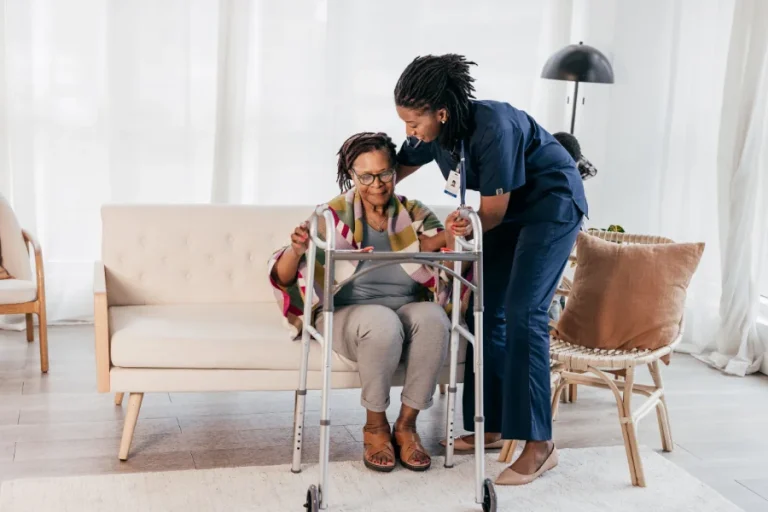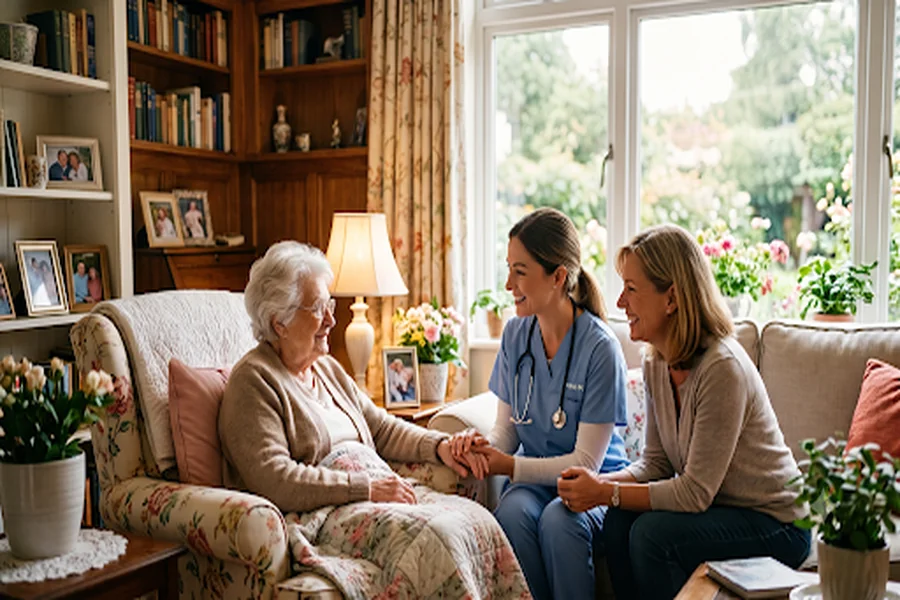
Caring for a senior is one of the kindest forms of love there is. However, at some point, the treatments meant to cure stop making sense. That’s when a lot of families start looking into hospice care. It’s a shift. The focus moves off fighting the illness and onto making every moment actually feel like living, not just getting through it. And you’re not doing this by yourself. Nurses and aides show up so your loved one can stay somewhere familiar and comfortable. So, in this blog, you will learn all about hospice care and how it benefits a senior.
What is Hospice Care?
Hospice care exists for people with a terminal illness. Comfort, pain relief and dignity that’s the whole point of it. Every plan looks a little different, because every person is different, down to what music they want on or when they like to nap. Most of it happens at the residence of the patient. Search hospice care near me, and you’ll usually find someone who can be there for nursing, hygiene, whatever’s needed any hour. If you, as the primary caregiver, feel exhausted, then you can also go for hospice respite care services for your senior loved one. This can help you get enough time to recharge or tend to any other personal responsibilities.
Ways Hospice Care Improves the Overall Quality of Life of Seniors
A good hospice team covers more ground than people expect: physical, emotional, social. Have a look at some benefits of hospice care:
Pain and Symptom Management
Comfort comes first, always. Nurses watch closely enough to catch a shift in breathing or appetite before the family notices, and they adjust from there. Pain, nausea, breathlessness, anxiety, all of it gets real attention. And you will notice that your loved one is laughing and talking again.
Emotional and Psychological Support
Terminal illness sits heavy on everyone in the room, not just the patient. Social workers and other staff- they’re not there to fix anything. Just to listen about the stuff usually nobody quite says out loud; it finally has somewhere to go. Over time, that steady presence makes seniors feel a little less alone with it. This way they get the emotional and psychological support that many seniors require at this age.
Preserving Independence and Personal Choice
Needing care doesn’t mean losing your say. The good teams in hospice care notice the small things: when someone likes to sleep, what they’ll actually eat, which routines still matter to them. Seniors still get a vote on their own days. It may sound minor, but actually is not. Holding onto those small choices is often what keeps a person feeling like themselves.
Compassionate Care That Respects Dignity
As the body weakens, dignity matters more, not less. Aides handle bathing, dressing, and grooming with a gentleness that’s hard to fake. Privacy gets protected. Nobody’s rushed through anything. That’s what keeps a person feeling human, presentable and prevents them from feeling like a burden on the people they love. This also improves their overall relationships.
Support for Family Members and Caregivers
Caregiving can be exhausting for people faster than most families want to admit. Studies suggest that unpaid caregiving has affected about 36.5 million households in the US. Hospice respite care exists for exactly that: a stretch of hours, sometimes days, where someone else takes over so you can sleep and run errands. Your loved one stays safe the whole time, looked after. Families come back from that break with something left in the tank. A lot of people locally lean on hospice care in Medford for that same kind of relief.
Coordinated Care From an Experienced Team
Medications, equipment, appointments: it piles up fast, and it gets confusing. A coordinated team of registered nurses, volunteers, and other staff takes the logistics off your hands. Reachable day or night. That’s what frees you up to just be a son or daughter again. This will also let you have some time on your hands for things that require your attention.
Creating Meaningful Moments With Loved Ones
Once the clinical stuff is off your plate, there’s room left for what actually matters. Old photos. A favorite song. Long stretches of quiet that don’t feel empty, just still. Those are the hours people remember. These moments will be forever cherished by you and your senior loved one.
Conclusion
Choosing hospice care, in the end, is an act of care for everyone in the family, not just the senior. It turns a hard stretch of life into something gentler, built around connection instead of struggle. The physical discomfort eases. The emotional weight lifts some. And seniors get to spend their time on their own terms. Caregivers get something too, through hospice respite care: a chance to actually rest instead of running themselves down to nothing. What’s left, at the end of it, is a memorable time together that actually feels like it.