Living independently at home can mean staying close to familiar routines, neighbors, possessions, and community. Safety planning helps protect that independence by making everyday activities easier to manage. Simple preparations, such as keeping a personal medical alert within reach, can provide added reassurance when a fall or medical concern makes it hard to reach the phone.
A safer home does not need to feel clinical or restrictive. The goal is to remove unnecessary obstacles, prepare for realistic emergencies, and create support that respects the older adult’s preferences. Small adjustments made early can be easier and less stressful than trying to make changes after an injury or crisis.
Why Home Safety Matters
Falls can have a major effect on confidence, mobility, and daily routines. According to the CDC, nearly 319,000 older adults are hospitalized for hip fractures each year, and falls are responsible for most hip-fracture emergency visits and hospitalizations. Reviewing facts about falls among older adults can help families understand why prevention deserves attention before a serious injury occurs.
Home safety is not about taking control away from someone. It is about supporting choices, reducing preventable hazards, and helping a person continue doing the activities that matter to them.
Start With A Simple Home Check
Begin with a calm, room-by-room walk through the home. Look at the space from the perspective of someone carrying laundry, getting up at night, wearing glasses, or using a cane or walker. The National Institute on Aging recommends practical home safety tips to prevent falls that can help identify issues before they cause trouble.
Questions To Ask In Each Room
- Are walkways clear of cords, shoes, boxes, and low furniture?
- Is there enough lighting for daytime tasks and nighttime trips?
- Can commonly used items be reached without climbing, bending deeply, or stretching?
- Are floors dry, even, and free of loose rugs or curled carpet edges?
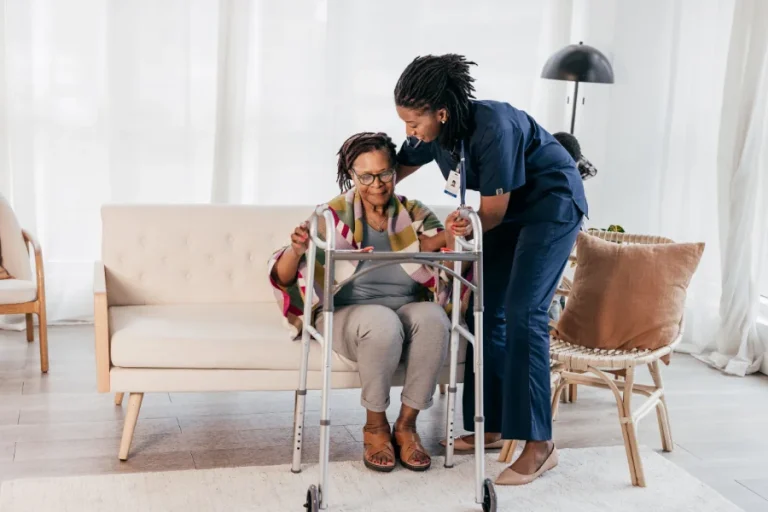
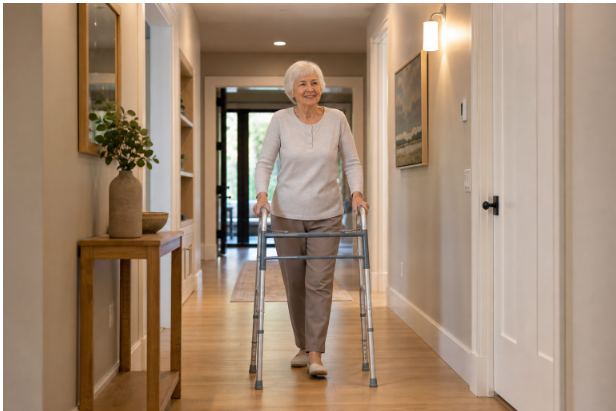
- Is there enough space to move safely with a mobility aid?
Reduce Common Fall Risks
Many useful safety improvements are straightforward. Remove throw rugs that slide, or secure them with non-slip backing. Improve lighting in halls, stairways, bedrooms, entryways, and bathrooms. Keep a clear path between the bed and bathroom, especially for nighttime use.
Helpful Changes To Consider
- Install grab bars near the toilet and inside the shower or tub area.
- Use non-slip mats or strips on wet surfaces.
- Store everyday kitchen items between waist and shoulder height.
- Use stable armchairs when extra support is needed for standing.
- Make sure stair railings are secure and easy to grasp.
- Choose well-fitting shoes with supportive, slip-resistant soles.
Build A Safer Daily Routine
Consistent routines can make safety habits easier to remember. Regular wake-up, meal, medication, and bedtime patterns may also make it easier for a family member or caregiver to notice a meaningful change in appetite, energy, balance, or alertness.
Suggested Daily Steps
- Keep glasses, a phone, mobility aids, and necessary medications within easy reach.
- Drink fluids regularly and allow extra time to stand up or move between tasks.
- Avoid rushing to answer a door, telephone, or alarm.
- Ask a health care professional which strength or balance activities are appropriate.
- Plan outdoor errands during daylight when practical, and check weather conditions before leaving.
Prepare For Emergencies
An emergency plan should cover more than a medical event. It can also help during severe weather, a power outage, a lost phone, or an unexpected need for assistance. Keep important information in a visible, easy-to-update location, and make sure trusted people know where it is.
Emergency Plan Essentials
- A written list of emergency contacts, doctors, pharmacy details, and nearby medical facilities.
- An updated medication and allergy list.
- Working smoke alarms and carbon monoxide detectors.
- A spare key or approved entry plan for a trusted helper.
- Flashlights, charged backup power options, water, and essential supplies.
- A reliable method to call for help if the phone cannot be reached.
Use Technology Wisely
Technology should simplify safety, not create another chore. Wearable emergency buttons, medication reminders, motion-sensor lights, video calling, and location-sharing tools can be useful when they match the person’s comfort level and needs. Choose devices that are easy to charge, simple to operate, and comfortable enough to use consistently.
Test alert devices, phone contacts, and backup chargers regularly. A tool is only useful if it works when needed and the person feels confident using it.
Include Family And Caregivers
Support works best when it starts with respectful questions. Ask which tasks feel difficult, frustrating, or tiring instead of assuming help is needed. Families can agree on check-in times, share appointment updates, and use a calendar for visits, errands, and medication changes without making the older adult feel watched.
Revisit emergency contacts and home needs every few months. A recent fall, a new medication, a change in vision, or a mobility issue may mean the current plan needs an update.
Know When More Support Is Needed
Accepting more help is not a personal failure. It can be a practical step that allows someone to remain at home safely for longer. Repeated falls or near-falls, missed meals or medications, unexplained bruises, difficulty with bathing or stairs, new confusion, and fear of walking are all reasons to start a conversation.
A doctor, pharmacist, occupational therapist, social worker, or local aging resource may help identify manageable solutions. An assessment can reveal whether changes to medications, vision care, mobility support, home equipment, or caregiving arrangements could reduce risk.
Home Safety Checklist
- Walkways: Clear, dry, and well-lit.
- Bathroom: Grab bars, non-slip surfaces, and a stable seat if needed.
- Stairs: Secure railings and adequate lighting.
- Kitchen: Frequently used items stored within easy reach.
- Bedroom: A clear route to the bathroom, with light available at night.
- Communication: A phone or alert device accessible from common living areas.
- Health information: Medication lists and emergency contacts kept current.
- Support: A shared plan for routine check-ins and urgent situations.
Conclusion
Safer aging at home often begins with small, practical decisions. Clear pathways, better lighting, steady routines, emergency preparation, and trusted support can help older adults feel more secure while preserving independence. Review the plan as needs change, and focus on solutions that fit the individual, the home, and everyday life.