

A patient portal can schedule an appointment in ninety seconds. So why does a patient with a new diabetes diagnosis still call the front desk before booking online? It is not always confusion or resistance to technology. Sometimes, it happens due to trust, and trust does not come from a login screen.
Practices have invested heavily in patient portals. Appointment booking, lab results, prescription requests, and secure messaging are all available, yet many patients still call when they need help understanding a result or figuring out what to do next.
The problem is not that portals have failed. Patients still need the reassurance and guidance that only a person can provide.
What is a patient portal?
A patient portal is a secure online website or mobile app that gives patients 24/7 access to their personal health information and lets them communicate with their doctors. Its key features may include:
- Patients can view their lab results and imaging reports
- Patients can schedule and reschedule appointments and view upcoming doctor visits
- Patients can also ask for medication refills
- Patients can send their queries to their doctors directly
- Patients can also check and pay medical bills
Why Patients Don’t Trust Patient Portals
Patient portals work well for many routine tasks. The problem begins when patients are supposed to navigate the portal on their own and need more explanation than screen providers.
Patients don’t know how to use them
Patients may struggle to use portals effectively if they are not shown how to use them. The HINTS study found that only 39.2% of respondents said their provider had encouraged them to use online medical records.
Among patients with a regular doctor, that figure rose to 43.2%, compared with just 20% among those without one. So, it’s a lesson for medical practices that there is a difference between portal activation and portal adoption.
Practices should provide patients with a quick overview and tell them how to use it so they can use it in their normal routine.
Portal navigation creates friction
Patients are more likely to stop using a portal when even small tasks take a lot of time. Some of the common causes of friction in navigation include portals requiring multi-step login verification, complex sign-up processes, finding test results or appointment buttons takes more time, and medical jargon confusing older patients.
Portals can’t provide reassurance
A patient who sees “abnormal” on their lab report may immediately wonder how serious the issue is. Similarly, a patient who has been referred to another specialist may not know whether to wait or contact the practice for an update.
A portal may display the test result or referral status but cannot provide human clinical communication and emotional support.
Why Patients Trust a Person More
Patients usually trust a person more than any portal or website because human interaction provides them with emotional support and personalised reassurance. Some of the common reasons are as follows:
Staff can handle patient questions
Most of the portal problems are front-desk issues. A patient may need help booking an appointment, updating insurance information, checking a referral, requesting a refill, or finding a specific feature in the portal.
A trained virtual medical assistant or virtual assistant services for medical practice can help healthcare practices handle these routine questions, guide patients through administrative tasks, and send clinical questions to the right team members on time.
The goal is not to replace the portal but to make sure patients have somewhere to go when portal services are not sufficient.
Human follow-up prevents drop-offs
A portal cannot notice that a patient started a process and then gave up. This is where a staff member can notice these signs and step in.
For example, a patient may be struggling with registration, unable to finish scheduling or sending questions that need clarification.
A quick call or a follow-up message can help the patient complete the tasks instead of abandoning them.
People make digital care feel personal
Balancing digital tools with a human touch makes healthcare easier and more reassuring for patients. Technology works well for routine tasks, such as scheduling appointments, changing appointments, and sending quick administrative questions.
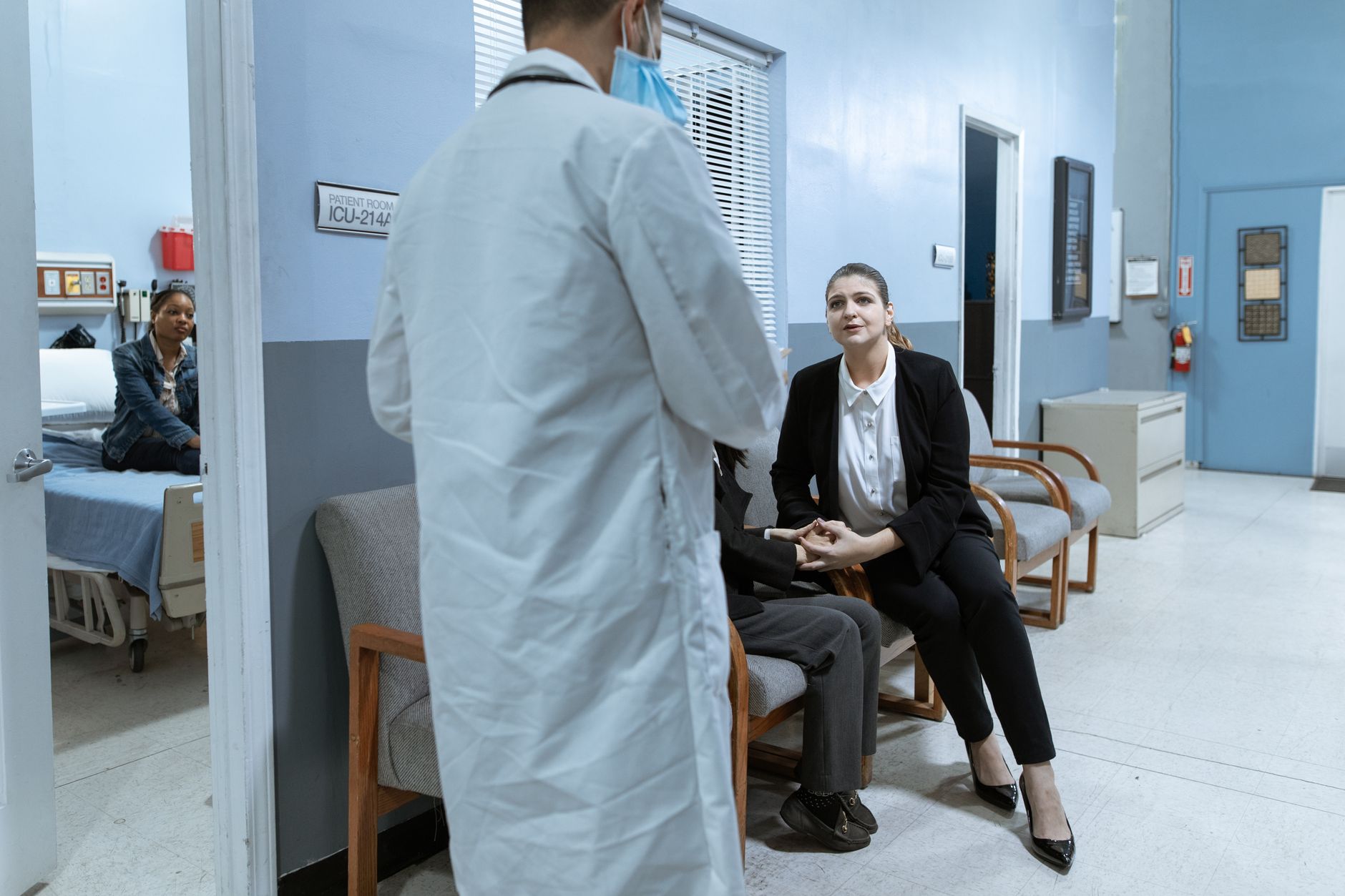
But technology cannot replace empathy and clear conversations. Patients need staff contact for explaining confusing test results, providing emotional reassurance during stressful times, and answering complex questions about a new treatment.
Conclusion
Patient portals are useful, but they cannot handle every part of the patient experience. Patients may use them to view lab results, schedule an appointment, request refills, and more. But information is complex, and test reports show that patients with abnormal results need reassurance from humans in their difficult times.
A person can explain difficult medical terms to a patient when the portal cannot. Speaking to a real human makes patients feel seen or heard, and valued instead of feeling like just another number in a computer system.
Refrences
htt ps://medcitynews.com/2025/09/the-truth-about-portals-why-is-patient-usage-so-low/
https://pmc.ncbi.nlm.nih.gov/articles/PMC7849369/
Health Record Patient Portals: Barriers, Benefits, and Ways to Increase Adoption
https://omnimd.com/blog/patient-portal-pitfalls/
Why Patients Don’t Use Your Patient Portal (and How to Fix It for Good)
https://gnanow.org/blogs/the-advantages-and-disadvantages-of-patient-portals.html
https://www.gavinpublishers.com/article/view/barriers-that-affect-the-use-of-patient-portals
Revised Version
Why Patients Sometimes Trust a Person More Than a Portal
A patient portal can schedule an appointment in ninety seconds. So why does a patient with a new diabetes diagnosis still call the front desk before booking online? It is not always confusion or resistance to technology. Sometimes, it happens due to trust, and trust does not come from a login screen.
Practices have invested heavily in patient portals. Appointment booking, lab results, prescription requests, and secure messaging are all available. Yet, many patients still call when they need help understanding a result or figuring out what to do next.
The problem is not that portals have failed. They work well for many routine tasks, but patients may still need human support when they need reassurance, clarification, or help completing a task.
Why Portals Fall Short for Certain Patients
Patient portals can make routine healthcare tasks easier, but they don’t work equally for every patient under every situation. Small problems can stop patients from using the portal when they find it difficult to use or need guidance.
Patients aren’t guided toward adoption
Patients may struggle to use portals effectively if providers don’t show them how. The HINTS study found that only 39.2% of respondents said their provider had encouraged them to use online medical records.
Among patients with a regular doctor, that figure rose to 43.2%, compared with just 20% among those without one. This shows that giving patients access to a portal is not enough until you help them adopt it.
Practices should provide patients with a quick overview of the portal and tell them how to use its main features as part of their normal care.
Portal navigation creates friction
Patients are more likely to stop using a portal when even small tasks take a lot of time. Some of the common causes of friction in navigation include portals requiring multi-step login verification, complex sign-up processes, difficulty in finding test results or appointment buttons, and medical jargon that may confuse older patients.
When patients are unable to quickly find what they need, they find calling the practice easier than trying to navigate the portal on their own.
What Patients Actually Need From a Practice
Patients do not always prefer someone to complete their task. Sometimes they just need to know that someone is available to answer their question, explain what happens next, and confirm their request was received. This is where virtual assistant services for medical practice can help by handling routine patient questions and administrative tasks while directing medical concerns to the right team.
Emotional reassurance during stressful moments
Healthcare terminology can be difficult for patients to understand. Patients may face a new diagnosis, abnormal results, and uncertainty about what to do next.
A portal may display a test result or referral status, but it cannot provide the human explanation and reassurance patients may need. Speaking with a staff member can help patients understand the situation and know what to do next.
Clear explanation of confusing results
A patient may see a high, low, or abnormal flag next to a lab value with no context; this can trigger anxiety or may lead to panic. A practice can reduce this uncertainty by giving patients a clear way to reach someone who can explain the results and guide them on what to do next.
So, to get rid of this anxiety, patients need official help from the practice so they know about their test results from a professional.
Confirmation that someone received their message
Patients can become frustrated when they send a message and don’t know whether they have received it or not. Automated message confirmation is crucial for reducing patient anxiety and preventing duplicate phone calls to your practice.
A simple confirmation message along with an expected response time can help patients know what happens next.
How Practices Bridge the Gap
The main goal is not to choose one over the other: portals or human support. Practices can use both.
For practices looking to strengthen this connection, trained support staff can help patients with routine questions and administrative requests. They can also give patients a clear path to human help when needed.
Human follow-up catches portal drop-offs
A portal cannot always explain to you when a patient starts a process and then gives up. This is where staff can identify these gaps and follow up when a patient faces difficulty in completing a task.
For example, a patient may be struggling with registration, unable to finish scheduling, or sending questions that need clarification. Virtual assistants can help handle routine patient questions and administrative requests while directing clinical concerns to the appropriate team member. This gives patients a clear place to turn when the portal cannot resolve their concerns.
Digital and human touchpoints work together
Digital tools work well for routine tasks such as scheduling appointments, changing appointments, and sending quick administrative questions. Human support becomes more important when patients need clarification, reassurance, or help with a process that has become difficult to navigate.
Combining digital tools with accessible staff support can make the overall patient experience easier and more personal.
Portals Handle Routine. People Handle Trust.
Patient portals are useful for many tasks, but they cannot handle every part of the patient experience. Practices that recognize where digital tools fall short can give patients a better way to get help when they need it.
The goal is not to replace patient portals with humans. It is to make sure patients have access to both. When routine tasks stay digital and human support is available for questions, reassurance, and follow-up, practices can create a more reliable experience for patients.











1 thought on “Why Patients Sometimes Trust a Person More Than a Portal”
Comments are closed.