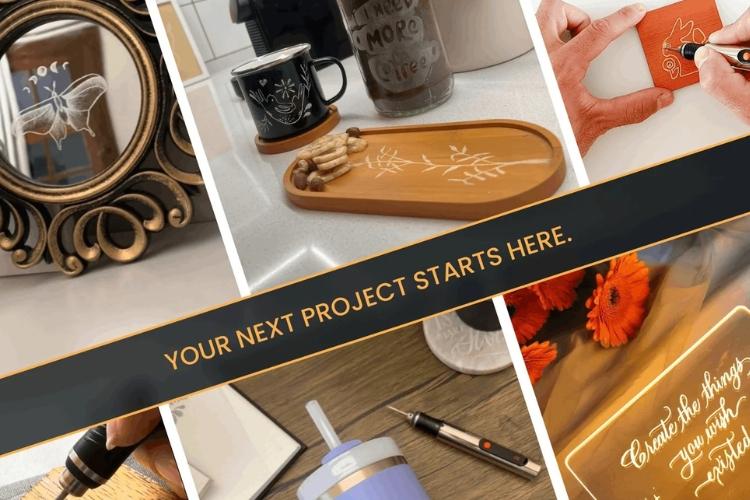
Many people search for a creative outlet that also puts some extra cash in their pocket. Engraving has quietly become one of those hobbies that builds both skill and income at the same time. It requires little space, a modest budget, and just a few hours a week to get comfortable with the basics.
This guide walks through how a beginner turns a few practice sessions into a small, steady side hustle. You will see what tools matter most, how to price early work, and where to find first customers. The skills transfer across materials, so what you learn on wood applies just as well to metal or leather.
Why Engraving Appeals to Hobbyists Looking for Extra Income
Engraving sits at an easy entry point compared with other craft businesses. You do not need a large workspace, expensive machinery, or formal art training to produce clean, sellable work. Most simple projects take less than an hour once the basic technique clicks.
The hobby also pairs well with items people already buy as gifts. Wooden signs, leather wallets, and metal keychains engrave well, and personalized items tend to sell at a premium. That premium is often the difference between a hobby that costs money and one that starts to pay for itself.
Beginner-Friendly Tools Worth Considering First
The right tool matters more than natural talent when you start engraving. A pen designed for beginners removes much of the guesswork around pressure, speed, and depth control. Resparked makes one such tool: a handheld engraving pen built for beginners.
Features Worth Checking Before You Buy
- Adjustable Speed Settings: A pen with variable speed lets you match the tool to soft materials like wood and harder materials like metal without switching devices.
- Comfortable Grip Design: A grip that sits well in your hand reduces fatigue during longer projects and helps you keep your lines steady.
- Interchangeable Tips: Swappable tips let you handle fine detail work and broader lettering with the same pen.
Resparked’s product page lets you find more information about speed settings, tip attachments, and included accessories before you commit to a specific model. Comparing these details against your first few project ideas is a sensible way to avoid buying a pen that cannot handle the materials you actually want to work with.
From Practice Pieces to Products People Will Buy
Once you have a handle on the basics, the next step is deciding what to make. Small, low-risk items work best while you build confidence. They cost little to test and give you a fast read on what customers respond to.
Project Ideas That Sell Well for Beginners
- Personalized Pet Tags: Pet owners often want a name and a phone number engraved on a simple metal tag.
- Custom Wooden Signs: Family names, house numbers, and short quotes work well on small wood panels.
- Engraved Keychains: These are quick to make and popular as small, affordable gifts.
- Monogrammed Accessories: Initials on items like phone cases or leather goods add a personal touch that store-bought products lack.
Each of these projects gives you a chance to practice technique while producing something someone else might actually want to buy.
Where to Find Your First Paying Customers
New sellers often assume customers are hard to find, but most first sales come from people already nearby. Friends, family, and coworkers are usually willing to place a small first order, especially around birthdays or holidays.
Local craft markets and school fundraisers also give you a low-pressure way to sell in person. You get direct feedback on your work, and customers can see the quality before they buy. Online marketplaces and social media pages extend that reach once you have a handful of finished pieces to show.
Pricing Your Work and Managing Your Time
Pricing feels tricky at first, but a simple formula helps. Add up your material cost, a fair hourly rate for your time, and a small profit margin. Undercharging early on makes it harder to raise prices later, so start with a number you can defend.
Questions to Ask Before Setting a Price
- How Long Did the Project Take: A price should reflect your actual time, not just the cost of materials.
- What Do Similar Items Sell For: Checking a few comparable listings gives you a realistic price range to work within.
- Does the Price Cover Mistakes: Building in some room for a misfire or reorder protects your margin.
Keeping your hours reasonable matters just as much as pricing. A side hustle should add income without draining the time you have for a full-time job or other commitments.
Turning Occasional Sales Into Steady Income
Consistency, more than volume, turns a few sales into repeatable side income. Setting aside the same few hours each week keeps your skills sharp and your inventory ready for the next order.
Reordering supplies before you run out, tracking which designs sell fastest, and asking happy customers for a quick review all help the hustle grow without much extra effort. Reviews matter here, too. Resparked notes an “Excellent” customer rating across nearly 2,500 reviews, and that kind of consistent feedback is exactly what a small engraving business should aim to build for itself over time.
A creative hobby rarely turns into income overnight, but engraving offers a realistic path. Start with the right tool, practice on a few small projects, and price your work honestly from the beginning. From there, steady effort and a handful of loyal customers do most of the rest.