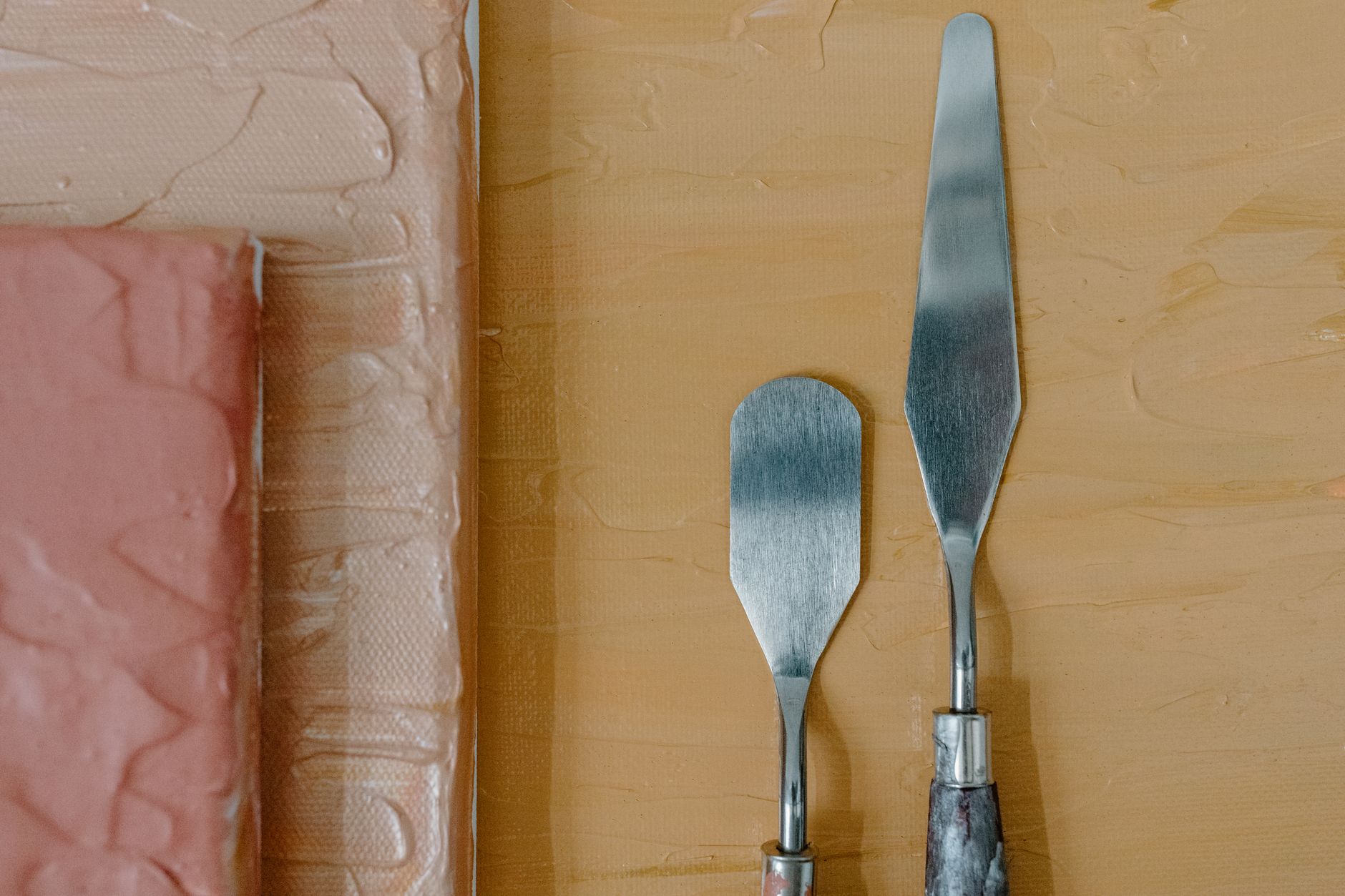
Light changes the character of a painted surface. Metallic acrylic paint captures those changes across ridges, curves, and fine marks. For artists, an acrylic paint set makes color planning easier across decorative projects. The finish can look soft on smooth areas, then sharper across texture. That difference gives artwork more visual depth without adding complex materials. Good surface preparation also helps reflective color stay even and controlled.
Metallic pigment gives surfaces added depth
Metallic color works through tiny reflective particles. Those particles catch light from different viewing angles. As a result, flat areas can gain gentle movement. Raised marks create stronger changes across the same shade. A darker base can deepen this effect further. Gold over brown feels warm and grounded. Silver over charcoal creates a cooler appearance.
The finish also depends on application pressure. A light brush touch leaves thinner pigment. Heavier strokes create broader reflective patches. Each method produces a different visual rhythm. Artists can therefore control shine through simple handling choices.
Why does texture strengthen metallic color?
Texture gives reflective pigment more surfaces to catch light. Small ridges can create bright edges beside darker recesses. This relationship makes patterns easier to notice. It also gives decorative work a stronger sense of structure.
Several techniques can support this result:
- Dry brushing catches raised edges cleanly.
- Thin layers preserve fine surface marks.
- Dark bases increase visible metallic contrast.
- Soft glazing blends harsh color changes.
The process becomes more effective when texture remains visible. Too much paint can cover those useful variations. Controlled application keeps the surface readable.
Layering creates richer decorative finishes
Metallic acrylic paint set works well over prepared color layers. A dark foundation can establish depth before reflective accents. Once dry, a thin metallic coat can follow raised details. Another pass may strengthen selected areas without covering everything.
For example, bronze can sit over muted brown. A dry brush can then touch only the upper ridges. The recessed sections remain darker and quieter. This creates dimension without requiring heavy sculpting materials.
Layering also helps correct uneven coverage. A second thin coat can build color gradually. Artists gain better control over brightness and surface balance.
Which surfaces work well with metallic finishes?
The supporting surface affects the final appearance. Sealed wood provides a firm base for decorative panels. Primed canvas gives artists a flexible working ground. Prepared plaster can hold raised marks with useful clarity. Polymer clay can also receive acrylic after proper preparation.
Before painting, artists should consider several details:
- Seal porous wood before adding color.
- Remove dust from textured working surfaces.
- Choose primer suited to the material.
- Allow earlier layers enough drying time.
Surface preparation matters because absorbent materials can weaken metallic coverage. A sealed base keeps pigment closer to the surface. That allows reflection to remain more visible.
How can metallic shades guide attention?
Metallic color can direct the eye toward selected details. Gold suits warm borders, floral patterns, and carved ornaments. Copper can support earthy designs with reddish undertones. Silver works well around cooler geometric forms. Gunmetal provides darker contrast around brighter accents.
Selective use often creates stronger balance. A narrow metallic border can frame an entire panel. Small highlights can bring lettering forward. Raised symbols can receive brighter treatment than nearby areas.
Color choice should also follow the surrounding palette. Warm finishes can support cream, brown, and muted red. Cooler metals can complement grey, blue, and deep green.
Light turns texture into changing visual detail
A decorative surface can change as lighting moves across it. Morning light may reveal one ridge more clearly. Evening illumination can emphasize another section instead. Metallic pigment makes these changes easier to notice.
That quality gives static artwork a subtle sense of movement. The viewer sees different highlights from different positions. A textured border may seem brighter from one angle. A recessed pattern can become quieter from another.
This effect also changes how artwork should be displayed. Directional lighting can strengthen raised details. Soft lighting can produce gentler reflections. The final setting therefore becomes part of the visual result.
A small highlight can change everything
Metallic artwork does not need full reflective coverage. A few carefully placed highlights can reshape the visual focus. Earlier, raised ridges showed how light creates stronger contrast. That same principle can guide borders, lettering, and ornamental marks. The most useful finish may come from restraint, where one narrow gold edge controls attention across an entire panel.
FAQs
What makes metallic acrylic paint look dimensional?
Reflective particles catch light across uneven areas and raised marks. Darker recesses then create stronger contrast around those highlights.
Can metallic acrylic paint cover smooth surfaces?
Yes, smooth prepared surfaces can receive metallic acrylic effectively. Several thin coats can create more controlled coverage than one heavy layer.
Which metallic shade suits decorative artwork best?
Gold, silver, copper, and gunmetal each create different moods. The surrounding palette and surface texture should guide the choice.
Does texture matter when using metallic acrylic paint?
Texture gives reflective pigment more angles for catching light. Raised edges therefore become clearer against darker recessed sections.